Tiny News Collective exists to support early-stage news entrepreneurs all across the United States who are raising their hands to provide community-focused news and information and places for community connection. We are who we are because of the founders we serve. And we want the journalism field, the civic information space and beyond to know about the creative, impactful work of these founders. To that end, we are thrilled to highlight their stories through an ongoing series of profiles and features.
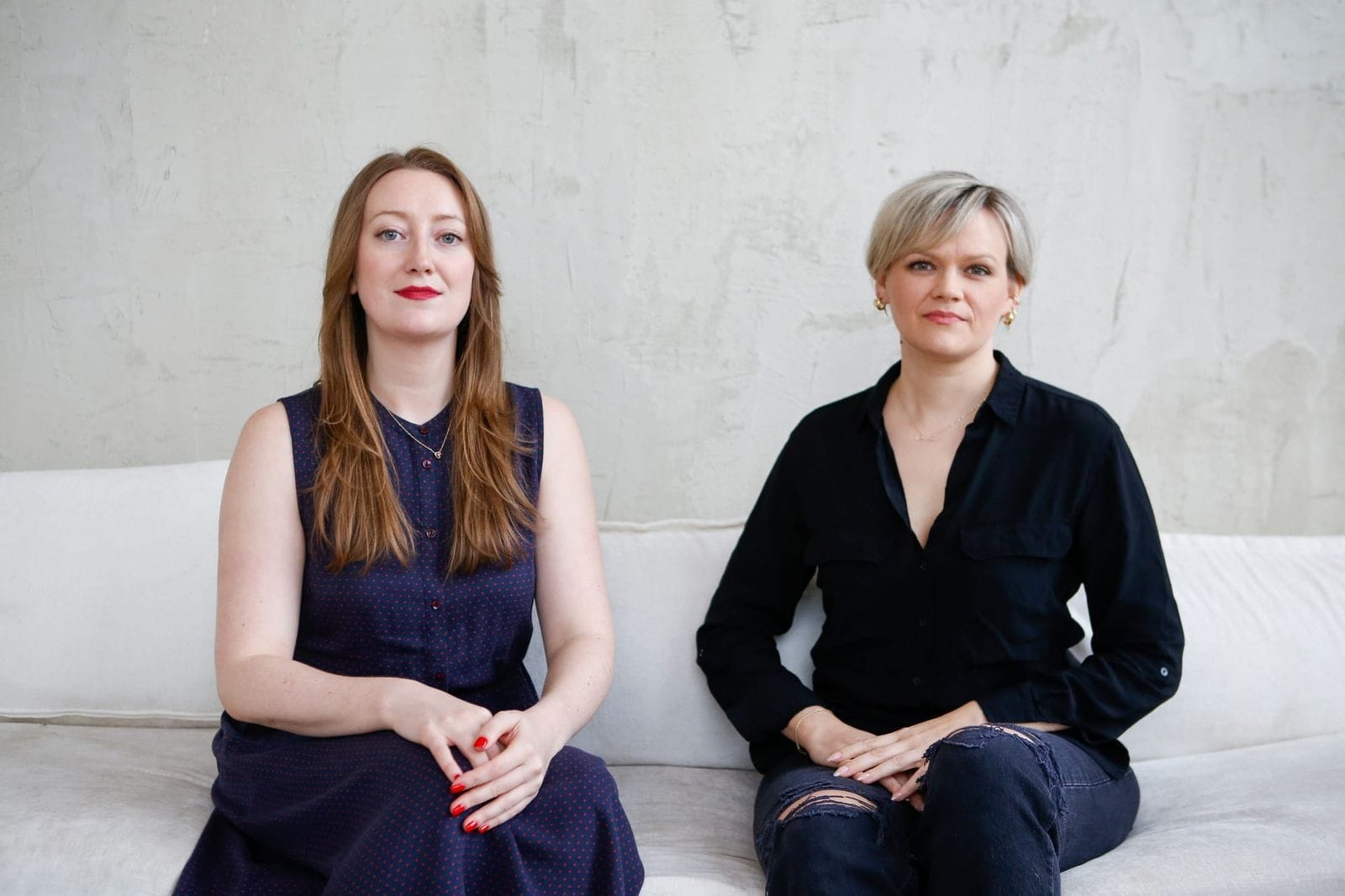
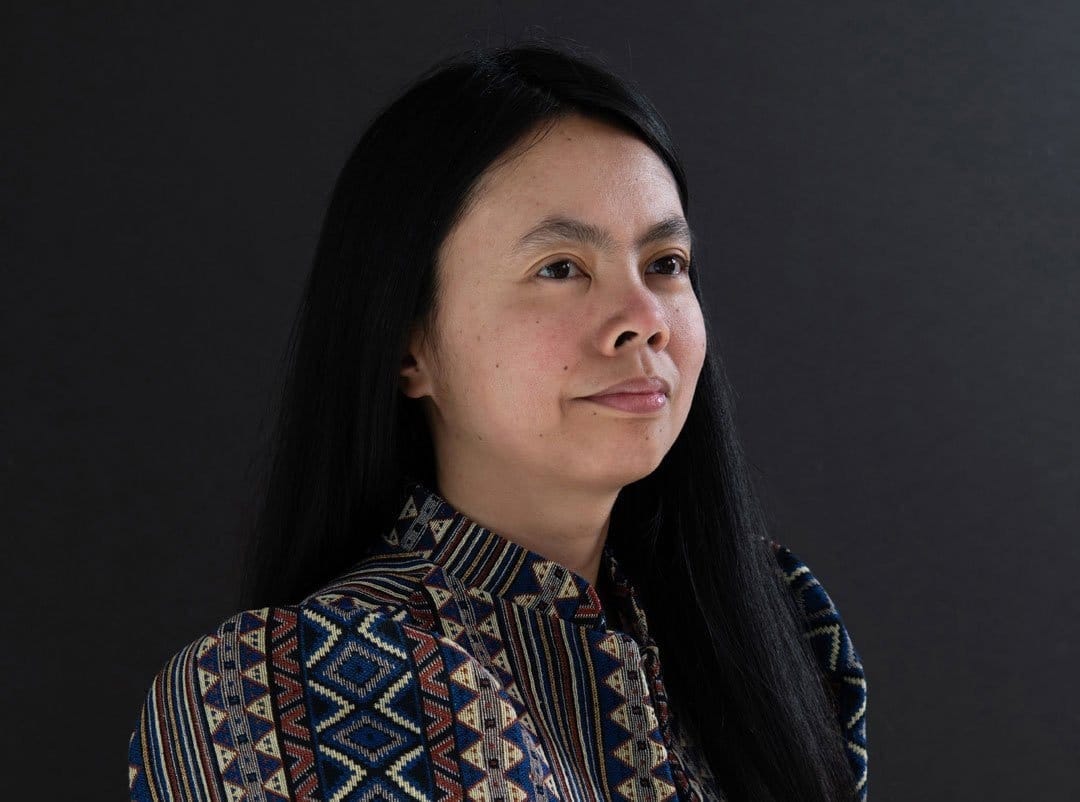
For our latest feature, we caught up with Garnet Henderson and Susan Rinkunas, co-founders of Autonomy News. This worker-owned publication covers reproductive rights and justice issues across the United States. Since launching in 2025, they have broken national stories, built a strong subscriber base and opened a merch store (with Christmas ornaments!). We spoke with Garnet and Susan about their growth and their goals and aspirations for Autonomy News in 2027.
1. What’s the origin story of Autonomy News and your reason for launching it?
Garnet: Susan and I first met because she was my editor at Vice. I was a freelancer for a long time, and Susan was one of the editors that I worked with. Later, she became a reporter, and we both covered the reproductive rights and justice beat. We're also both labor organizers. I knew that Susan and I were very ideologically aligned.
I worked at a reproductive rights and justice publication from 2023 to early 2025, and I was very proud of the work that I was doing there. But I was really frustrated by the way the publication was run. I was thinking there has to be a better way to cover these really important topics without exploiting and mistreating workers.
I was inspired by other worker-owned outlets that were launching, obviously Defector being a big one, but also 404 Media, Hellgate here in New York, and the 51st, also a TNC member.
I jokingly asked Susan if she would be interested in starting a worker-owned reproductive rights and justice outlet. Then very shortly after that, I came back to her and said, "I think I'm actually pretty serious about that. What if we did it?” We really just hit the ground running at that point.
Susan: As freelancers, we both have experienced working with editors who were good at publications and other editors who had a hard time understanding when a story was important to cover. Even in the editing process, some didn't have the expertise necessary to really get a story the way it needed to be.
That was something we were also thinking about: What if we had an outlet to publish the work we know is important and, as subject-matter experts, edit each other's work? Plus having freelance editing and fact-checking to get it out there in the world.
It wasn't just our experience and ideological alignment, as Garnet mentioned. It was also the changing media ecosystem around us. It's getting harder to place freelance stories because of budgets, or because, you know, Donald Trump sucks up all the oxygen in the news space. That was important to us; we know there are important stories out there, and they need a home.
We launched in June 2025, and we relied on both social media and personalized outreach to journalist colleagues. Our audience is anyone who cares about bodily autonomy, their own or other people’s. That includes people who need to access reproductive healthcare, as well as movement workers.
2. Is there a particular moment when you feel you made an impact on your community with a story or an event?
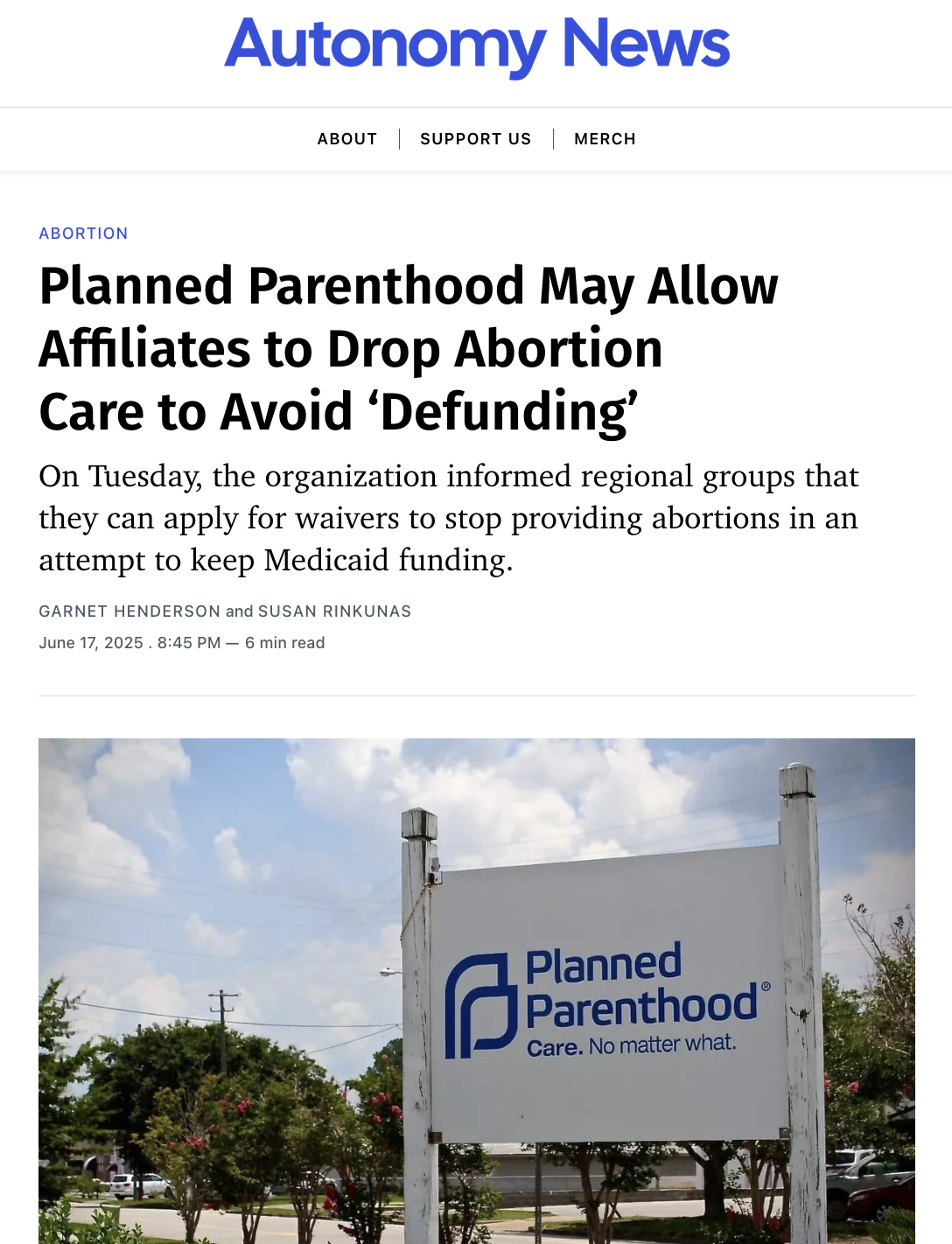
Garnet: About 10 days after our launch, we broke a huge national story. Right after Trump's One Big Beautiful Bill was passed, we found out that Planned Parenthood was considering allowing some of its regional affiliates to stop providing abortion care in an effort to keep their Medicaid funding because the bill took Medicaid funding away from organizations that also provide abortion.
Federal Medicaid dollars don't pay for abortion anyway, but that was a really big story because previously abortion care had been considered a core service. Every Planned Parenthood affiliate had to provide it at least at one of their clinics.
It was a huge change, and we broke that story by working late into the night. We were, and still are, really proud of our work on that story, but Planned Parenthood was not happy about it. They actually suggested that we were lying. They issued a preemptive statement to other news outlets before we published, after we contacted them for comment.
That was really stressful and really scary as a brand new news outlet. Luckily, we are both really experienced reporters, so it's not like we hadn't experienced that before. Although that's definitely the worst experience I've had with a hostile source.
We have so many sources within the reproductive rights and justice movement that we get tips that allow us to scoop much bigger, more well-established outlets on huge stories like that, and this was an important story about fallout from federal policy.
It was also something we do that almost no other outlets do: accountability journalism on the reproductive rights and justice beat. There's no doubt that Planned Parenthood was in an incredibly difficult situation. Still, it's a big deal that they were considering allowing some of their affiliates to stop providing abortion care, and they were trying to obfuscate that.
We feel like that's a needle that we thread really well, and it is very important to us. We're going to hold everyone with power to account. That includes the federal government, but also the powerful organizations in the space that we report on, like Planned Parenthood.
Susan: Garnet mentioned that we get tips from sources who trust us because they've seen our reporting in the past. They know we will handle things responsibly and not shy away from reporting on organizations that are ostensibly pro-choice.
Another example: we were the first to report that Planned Parenthood of Wisconsin actually did halt abortions for a few weeks during some litigation. They were able to bring services back, but we scooped the national press corps on that.
Garnet wrote one of our top stories about how the Department of Justice tried to get patient information from a gender-affirming care provider, and this small telehealth provider actually fought the subpoena.
We don't just cover abortion access, but we also have stories of people fighting back. That's not something a lot of other outlets are covering.
3. Autonomy News is a worker-owned publication. Tell us more about why you decided on this leadership model and how it relates to your values.
Garnet: Susan has a lot more experience with union organizing in staff roles than I do. During the two years that I was at a reproductive rights outlet, I chaired a union that had been very effectively union-busted, and I did a lot of internal organizing work to try and make the union strong again.
Before that, I spent almost a decade freelancing. I am a member of the Freelance Solidarity Project of the National Writers Union. I'd also spent a lot of years trying to organize with fellow freelance workers for better conditions as rates were either staying stagnant or falling.
I went from the hustle of freelancing, which is so hard, to a staff position and felt like, well, in a lot of ways, it was just as hard because I wasn't being treated well. There were no opportunities for advancement. It felt like all of the existing paths in journalism were kind of a dead end in terms of being able not only to do important work but actually to make a living wage and be treated well in your working environment.
I was looking at this new wave of worker-owned publications, and they really seem to be having so much more success in many ways than traditional media. I really wanted to try that.
Susan: Garnet mentioned my experience being on staff at unionized publications. These were digital media upstarts that were supposed to be the future of journalism, and the way these companies were run was nonsensical. Chasing advertising dollars, chasing the changing whims of tech platforms like Facebook, YouTube and Google. It seemed like the workers could probably run them better if given the chance.
That's another thing that Garnet and I wanted to take a stab at. We know people care about this work and will pay for it, as we've seen with organizations like Defector and The 51st. We also know there's philanthropic support out there. We've seen publications not being run well, and we thought we could do just as good a job if not better.
4. Tell us about your business model, how you generate revenue, and how you plan to become sustainable in the long run.
Susan: One of our values is that our work should not be paywalled because it is important, potentially life-or-death information about people's access to healthcare. So we have a supporter-subscriber model where we invite people to start a paid subscription to keep the work free for everyone to read. We have a pretty robust base of paid subscribers out of our total email list, and because we chose to be an LLC and seek fiscal sponsorship, we're also able to solicit donations from nonprofits, people giving from their donor-advised funds and charitable giving from family funds. We also have a tip jar as well, which we utilize to cover certain specific expenses, like our liability insurance premium. Then we also sell merchandise. Those are our four buckets.
On that last point, merchandise is now much easier for small organizations to sell. We use Bonfire, which makes it easy because you don’t have to do anything to maintain your merch store. We're not sourcing product, stocking it or shipping it to people. People just order through Bonfire, and they print whatever item someone ordered and ship it.
That's part of why we set it up: it is a relatively low-investment fundraising mechanism. Somebody might be willing to pay, say, more for a T-shirt from our merch store than they would for a regular T-shirt. Though we do try to keep our prices reasonable.
Strategically, we also see merch as advertising. If someone is wearing our merch, it helps us to build our brand. Even if we never made a ton of money from the merch store, it would be worth it for that reason. Bonfire also lets you buy codes you can send to people so they can get free merch. We've done that as incentives in subscription drives, and that has been really great for us.
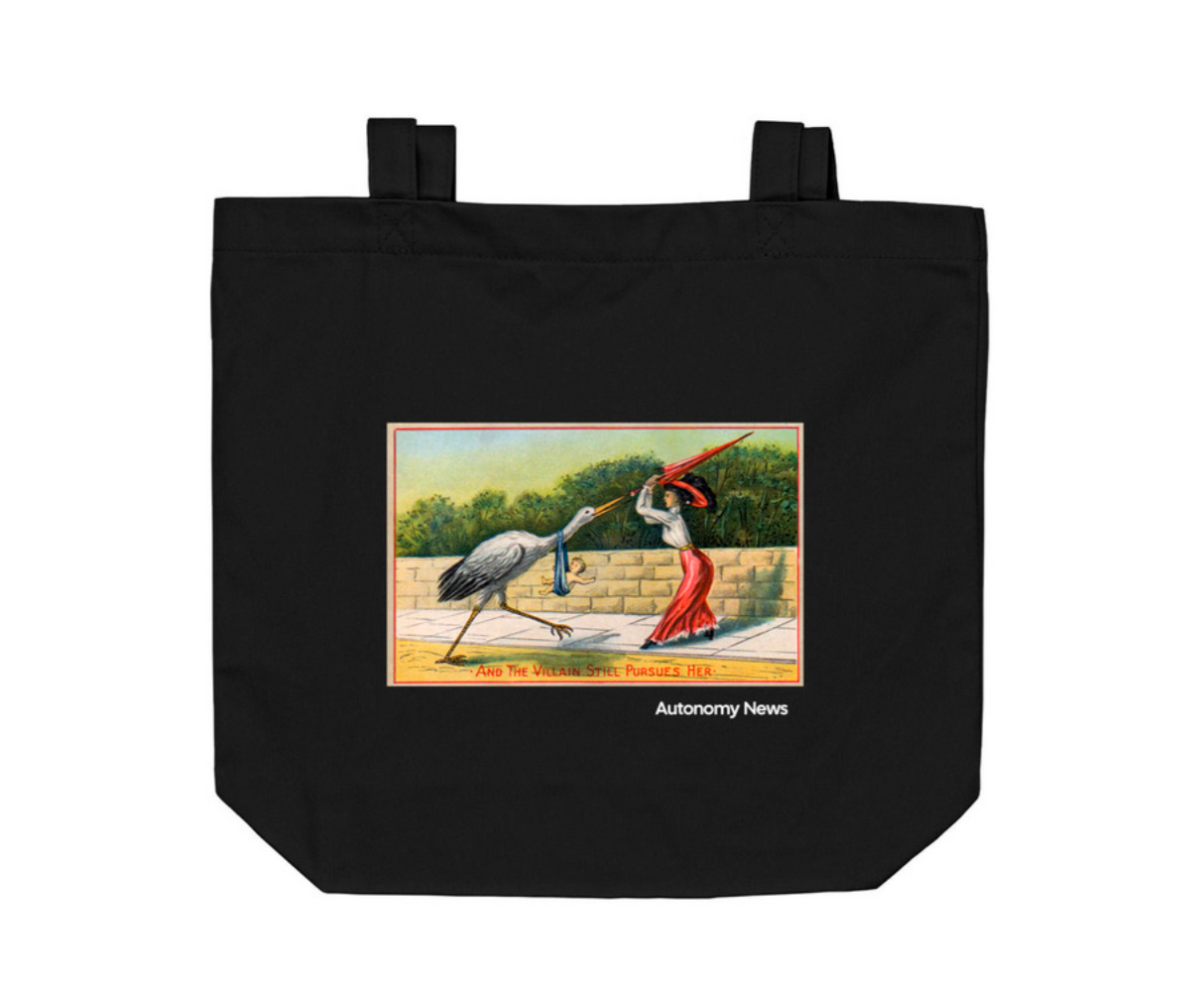
Some of my favorite pieces use public-domain images. We have a great stork postcard that's basically an early 1900s joke about birth control. That image was in the public domain, so we could add our logo to it and use it as merch.
5. As you think about the coming year, what is your vision for the direction of Autonomy News?
Garnet: We've already said that we want to double our number of subscribers over the next six months. We've gained more than 100 new subscribers since we said that, so we definitely want to do more than double.
Our biggest goal remains to be able to pay ourselves. We have been paying ourselves ever since we launched, which is great. We had no idea how much money we could expect to make, and we were really relieved that enough people subscribed right after we launched that we were able to basically pay ourselves back for a lot of what we had invested in launching the business. But definitely, our goal is to be able to pay ourselves more, so that we are both making a truly livable wage. I would say that's definitely my top goal, and I feel like it's completely doable for us to hit that point in 2027.
Susan: My vision is just that everything snowballs — that the more scoops we publish, the more people come to us with tips, which leads to more scoops, which leads to more subscribers.
We also don't just publish hard news. We do analysis pieces that people really appreciate. I had someone tell me that her favorite story she's read on our website was our analysis of the Associated Press doing a fluff piece on anti-abortion crisis pregnancy centers.
It's the kind of thing that people who aren't mired in the day-to-day don't really pick up on unless someone explains it for them. We do other kinds of zoom-out analysis pieces too. Something that just did really well for us was a story I wrote about challenges to abortion bans based on state constitutional rights to life and liberty. We don’t know how these lawsuits are going to pan out, but it's a new frame that advocates are increasingly taking. And it pushes back on an anti-abortion narrative that the embryo is the one with the right to life.
6. What is one piece of advice you would give other entrepreneurs working to launch their own news organization?
Susan: I'm so glad I didn't do this alone. We say this to each other all the time: two brains are better than one, not just for capacity, but for checking each other on little things and having ideas that we can bounce off each other.
Some people have to or want to go it alone, but I think it's really helpful to have a co-founder.
Garnet: I agree completely, and my advice is similar. Just ask other publications for help. We've gotten so much help from other worker-owned publications that started before us, especially 404 Media, because Susan knew some of those co-founders. We have asked so many other worker-owned outlets and independent journalists for advice.
Everyone has always been willing to come through and help. I mean, that's how we got our liability insurance; we got a recommendation for a broker. I think that's another part that I really like about the worker-owned media ecosystem. It is more of a collectivist space; people tend to have those values if they're launching a worker-owned publication, where they want to uplift everyone rather than have that kind of cutthroat, purely competitive attitude. I have found other founders so helpful, so my biggest tip is to ask other people how they did things.
Susan: Ask them how they did things. Ask them to share information. Something from being in unions, people talk about what they make at their job. Bosses don’t want you to talk about that, but it was so important to do so.
We've asked other people about their conversion rate. We're not asking them how much they are paying themselves, but just give us some benchmark stats that maybe could inform our understanding of things.
Another thing we did was tell people we were launching. We did hint messages beforehand, like, hey, something's coming up. Would you mind sharing?
We're in a larger group chat, and we just drop things in, asking people to share our story. We're trying to get eyeballs on it. Rely on your network to elevate you, and then you can repay the favor.
Learn more about other TNC founders by reading these stories:
 TNC
 TNC
 TNC

 TNC
 TNC