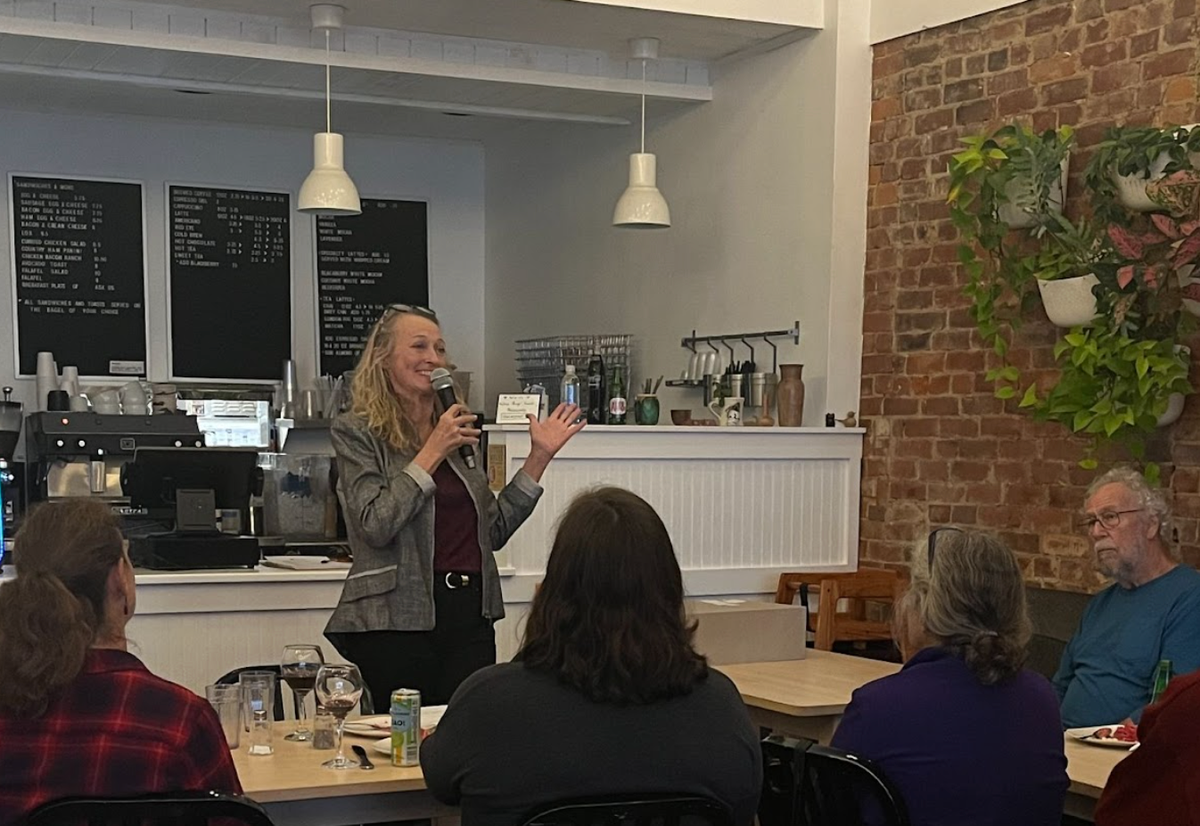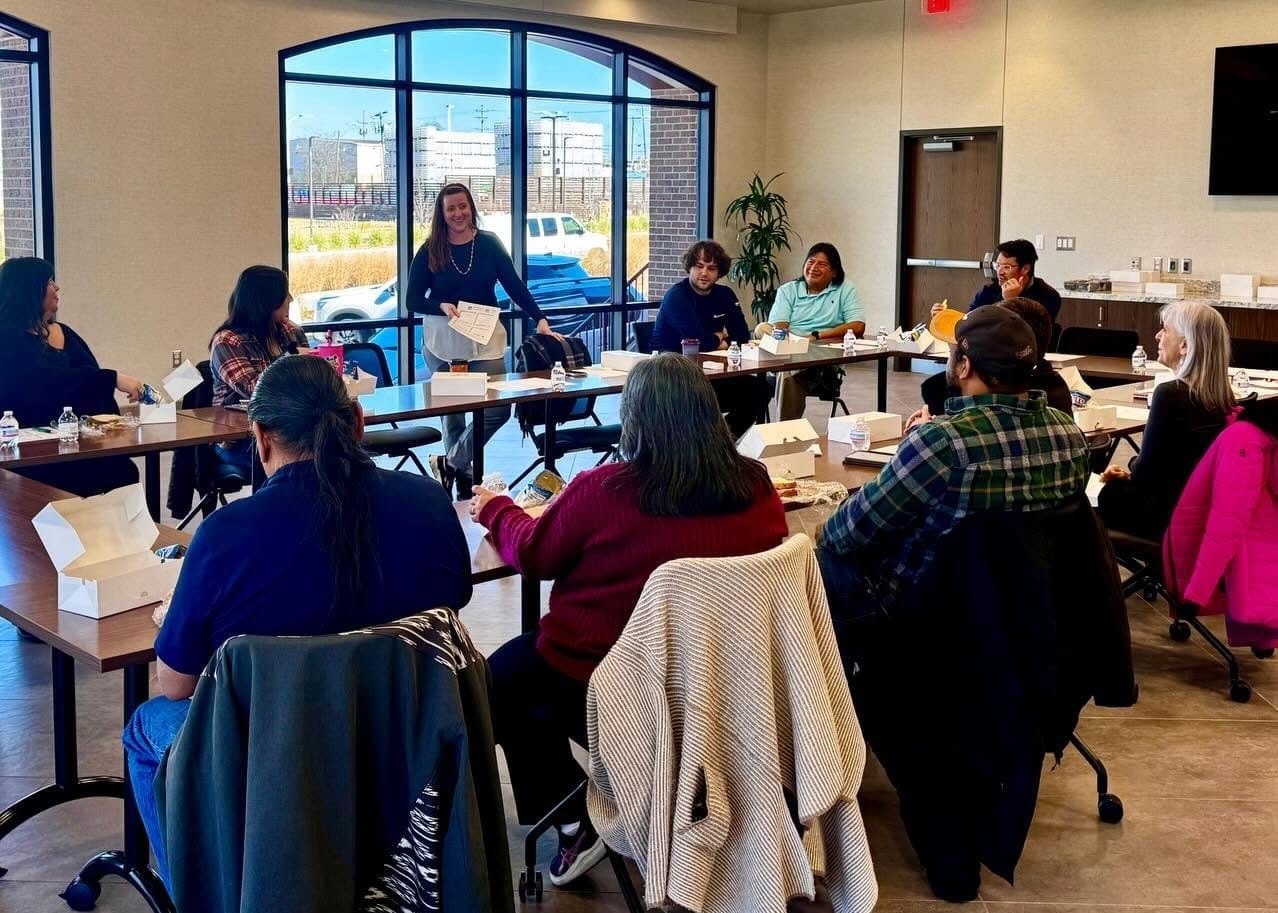
Tiny News Collective exists to support early-stage news entrepreneurs all across the United States who are raising their hands to provide community-focused news and information and places for community connection. We are who we are because of the founders we serve. And we want the journalism field, the civic information space and beyond to know about the creative, impactful work of these founders. To that end, we are thrilled to highlight their stories through an ongoing series of profiles and features.
For our latest feature, we checked in with Brittany Harlow, one of the co-founders of Crosswinds News, an award-winning publication covering Native American communities in Oklahoma. Eight years ago, Brittany and her husband started Verified News Network (VNN). Over time, VNN eventually grew into Crosswinds News, and they officially relaunched in fall of 2025 with a new look but the same Native-focused mission.
Primarily Native staffed, community listening is at the core of Crosswinds’ work. They have conducted a year-long listening tour, held community surveys, hosted community summits and even created the Crosswinds Calendar to help close information gaps across their region. They have won multiple awards for their work and are finalists for two LION Sustainability Awards this year: operational resilience and community engagement.
Be sure to read to the end, where Brittany answers our *bonus question* about her advice to other news entrepreneurs.
1. What’s the origin story of Crosswinds News and your reason for launching it?
Crosswinds News is the rebrand of a news organization my husband, Kelly, and I have been building for several years. We launched the Crosswinds brand in October 2025 after experimenting with social media, national media and local media. Essentially, learning everything the hard way! But every lesson got us where we are today.
We knew when we began that we wanted to create a pathway for underserved community members to access meaningful, trustworthy news. I knew, working in traditional news, that there was not enough mainstream coverage of the Native perspective. Kelly is Native American, as are our children. So, he grew up in Oklahoma with that lack of visibility and representation. We both agreed we did not want our children to grow up the same way.
Community listening led us to other Native American community members and families who helped us understand just how big the news and information gaps in our area were, and we really leaned into working on that as a family-owned organization. The work we do through Crosswinds is now fully focused on Native American content and community resources.
2. Is there a particular moment when you feel you made an impact on your community with a story or an event?
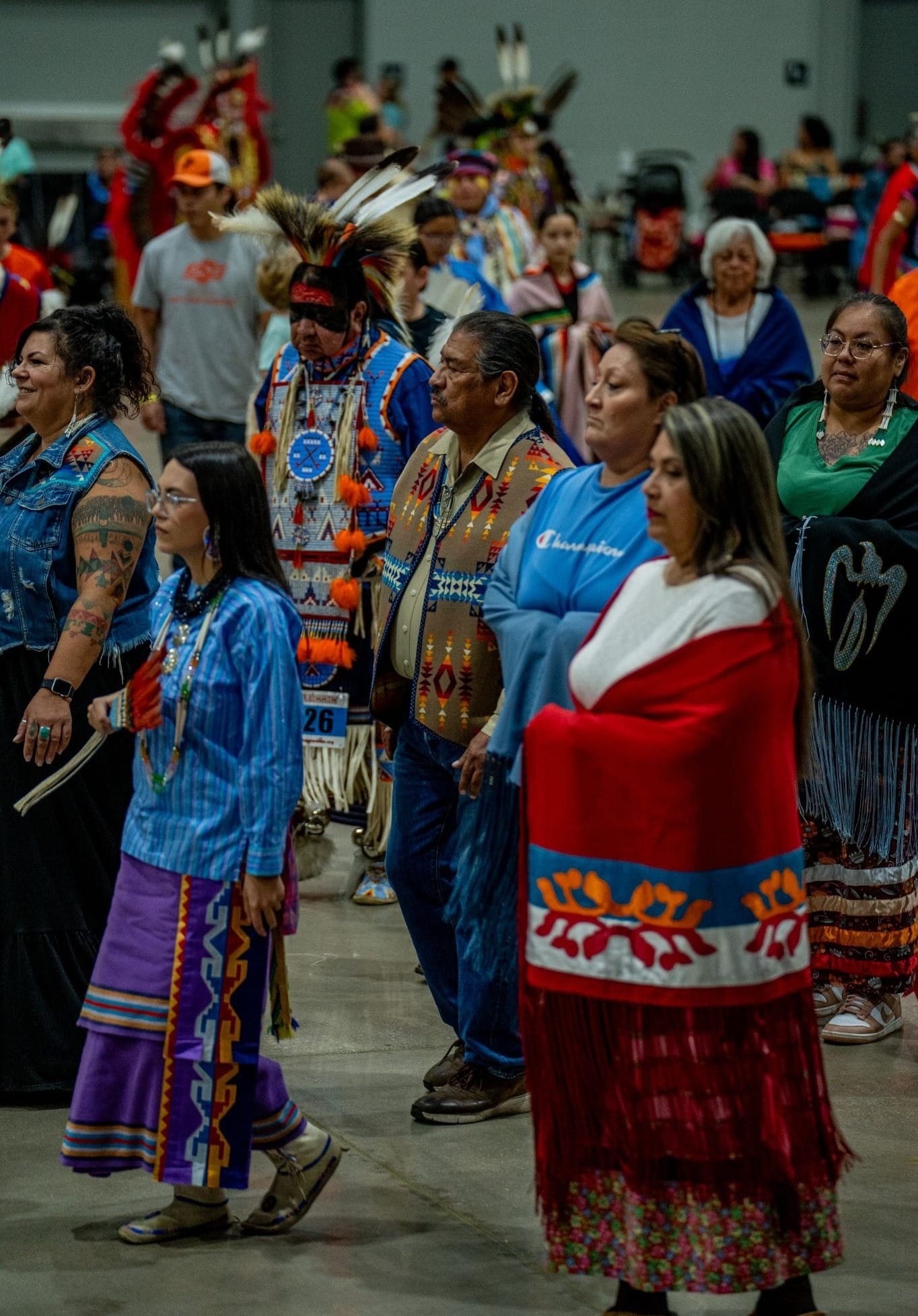
I would say there have been a lot of little moments. When we started really leaning into Native-focused news and pushing for more visibility and inclusion in Tulsa, it felt kind of unusual. A lot of people were not receptive to it, and we have been ignored quite a bit.
There are also many tribes in our area, including my husband's tribes, the Muscogee (Creek) Nation and Cherokee Nation of Oklahoma, but there was not really an intertribal media entity that we knew of that spoke to the whole family. That was not really like being overlooked, necessarily, but more like not being looked at like a whole family — a multitribal and multiracial family. I have a small amount of First Nation ancestry, but I was not raised in that culture, and I don't identify as Indigenous. I'm not qualified to speak for or teach anyone about those experiences. My connection to this work comes primarily through my husband, my children, the place where we live, and what we have learned from speaking with Native American community members. My husband's family has gone through a lot of hardship relating to forced assimilation, a lot of cultural loss. It can be a difficult space to raise Native American kids when you want them to know and be proud of their heritage.
There have been a couple of organizations we have depended on as our kids have gotten older, and now it seems like there are so many more great organizations doing intertribal work. We are also seeing more news organizations covering Native family issues and Native community issues. Not just reporting on the bad stuff.
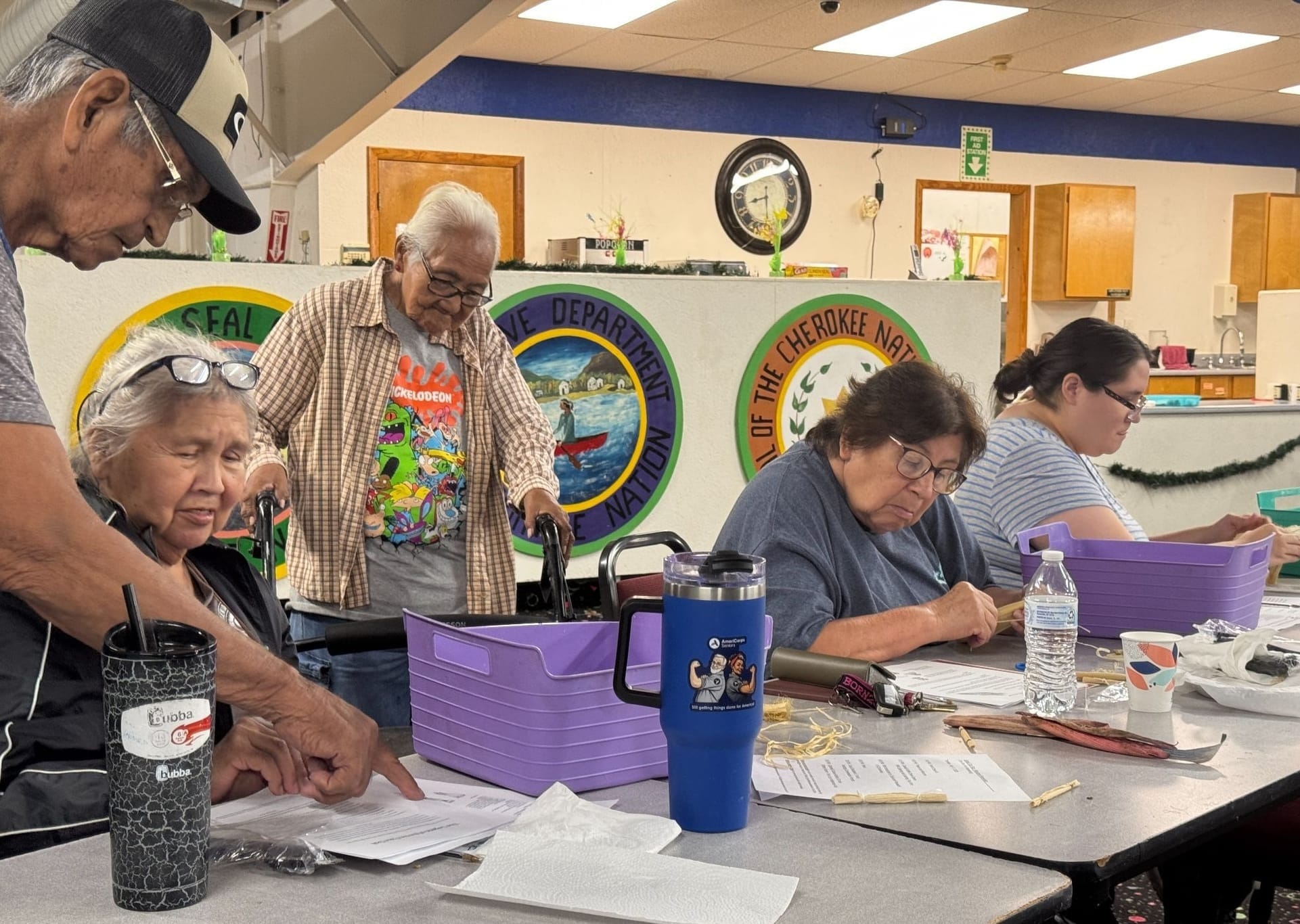
I would never claim that Crosswinds caused that shift, because many people have worked toward greater visibility for a long time. But I do believe our team has made an impact by consistently showing up, reporting stories that otherwise might not have been told, asking questions about representation in Tulsa and creating more opportunities for Native people and organizations to be seen. I believe that work has contributed to the broader increase in attention and coverage we are seeing now.
Recently, we have used our platform, connections and research skills to help inform community conversations about a potential Tulsa Indian Community Center. Crosswinds is only one part of a much larger community effort, but the work we do is very meaningful. The last community meeting we had about the center was so packed we had to bring in more tables and chairs. Community involvement can be one of the most difficult things to build, but people are showing up in numbers we have never seen before.
3. You recently published the first article of your StoryKeepers initiative. Tell us more about this initiative and the process of working with community members.
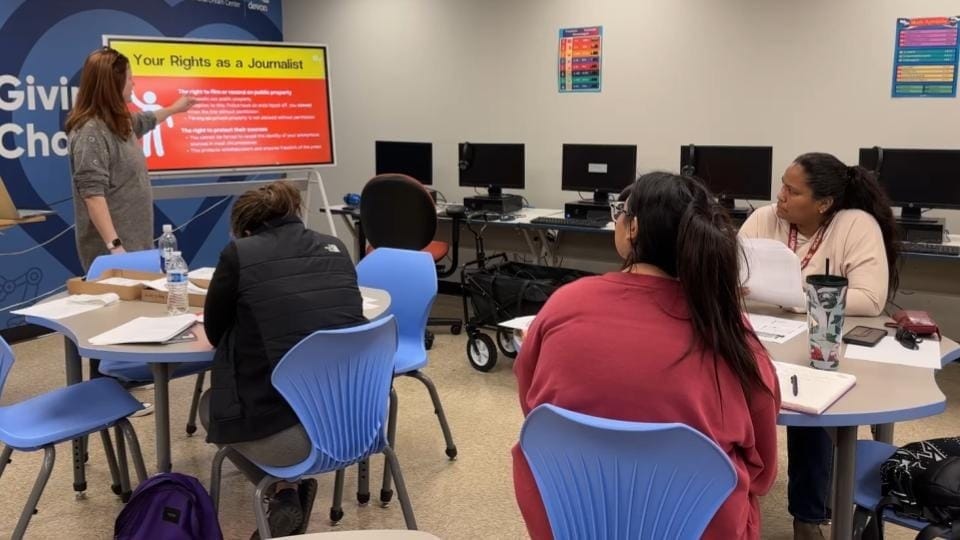
StoryKeepers is another great example of learning everything the hard way. For years, we have experimented with different ways to create a direct line from person to publication. It started eight years ago with us developing an app where people could contribute directly to a social news ecosystem. That grew into us training journalists from the community in a more traditional environment, which ultimately led to us developing this program to train people to tell their own community stories.
StoryKeepers today really reflects this Crosswinds culture we have developed. Listening is first, community is center. The community members we have worked with are wonderful. The storytelling is such quality!
To me, the biggest challenge with community reporting is the hesitancy to get started, for them to just jump in and do something they haven’t really done before. That’s pretty much how any journalist gets started, I think. Once our StoryKeepers realize they have a team of mentors, of editors, of media professionals standing by to support them, these incredible stories start happening. And they benefit us just as much as they benefit them.
4. Tell us about your business model, how you generate revenue and how you plan to become sustainable in the long run.
Developing sustainable revenue streams to support our work is a constant puzzle we are working to solve. Revenue has grown over the years but so has our team and the demand for our work.
Our primary funding comes from about 40 percent in grants and 40 percent earned income from our parent organization, Talking Circle. Talking Circle is a multimedia production and consulting company whose profits help fund Crosswinds' operations. The rest of our revenue comes from event sponsorship and series sponsorship, and a little bit from paid membership and donations.
We have never had a team member whose sole job is revenue; it’s always been me working to get funding while doing a million other things. I really think to achieve more sustainability at least one person needs to be doing that and only that. Significant capacity-building funding could help us establish that foundation, and I hope that opportunity comes. But whether or not it does, we’ll just keep chipping away at it as we’ve always done.
I think more awareness about our work on a national level could also help grow our member support, which could translate to more financial sustainability. Oklahoma is home to 39 tribes, and many of those tribal members and descendants don’t live in Oklahoma. I believe if more people knew about us and the work we are doing, they would value and support that work.
5. What’s your vision for Crosswinds News this year and what it might become over time?
Our vision is leaning even more into community. What we are trying to build is so much bigger than one family or even one organization; it’s a network of many families and many organizations. I’d love to see a more formal connective framework for community-sourced news and resources, and we’d be honored to help build that. That will mean more community contribution, support and ultimately increased belonging, purpose and other positive outcomes for local youth and local elders. I think over time, those connections and positive outcomes would only grow.
6. What is one piece of advice you would give other entrepreneurs working to launch their own news organization?
My advice is to know and accept that entrepreneurship is not a straight path; it is hills and valleys. It is times of plenty and times of scarcity, and each season of the journey will require something different of you. Maybe it’s more, maybe it’s less, maybe it’s a much-needed break! Take small steps and know that you are not the journey. You are not the news organization. If something doesn’t work out, if an idea doesn’t work out, that’s just the business. It’s still hard to accept, but I think a lot more things are out of our control than we realize. And there’s always another pathway forward if it’s meant to be.
*All photos are courtesy of Crosswinds News.
Learn more about other TNC founders by reading these stories:
 TNC
TNC
 TNC
TNC
 TNC
TNC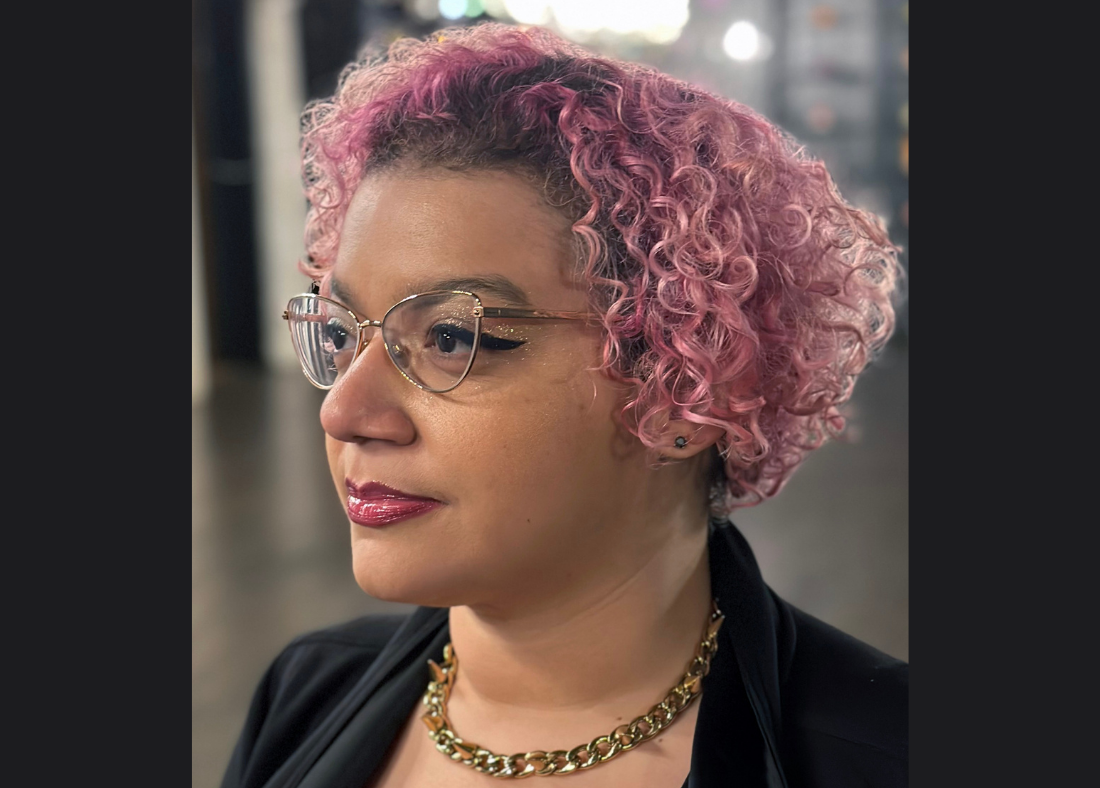
 TNC
TNC
 TNC
TNC