Tiny News Collective exists to support early-stage news entrepreneurs all across the United States who are raising their hands to provide community-focused news and information and places for community connection. We are who we are because of the founders we serve. And we want the journalism field, the civic information space and beyond to know about the creative, impactful work of these founders. To that end, we are thrilled to highlight their stories through an ongoing series of profiles and features.
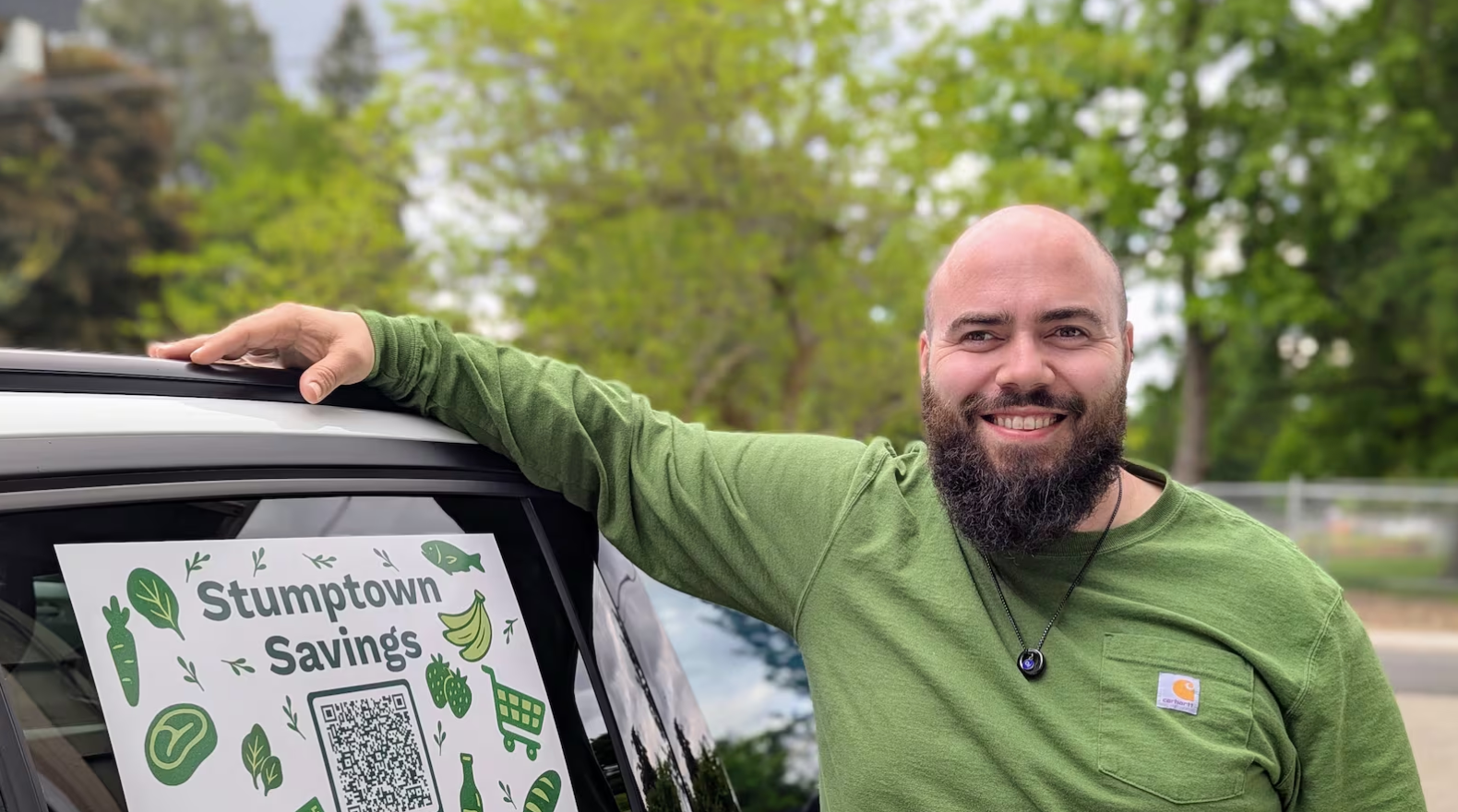
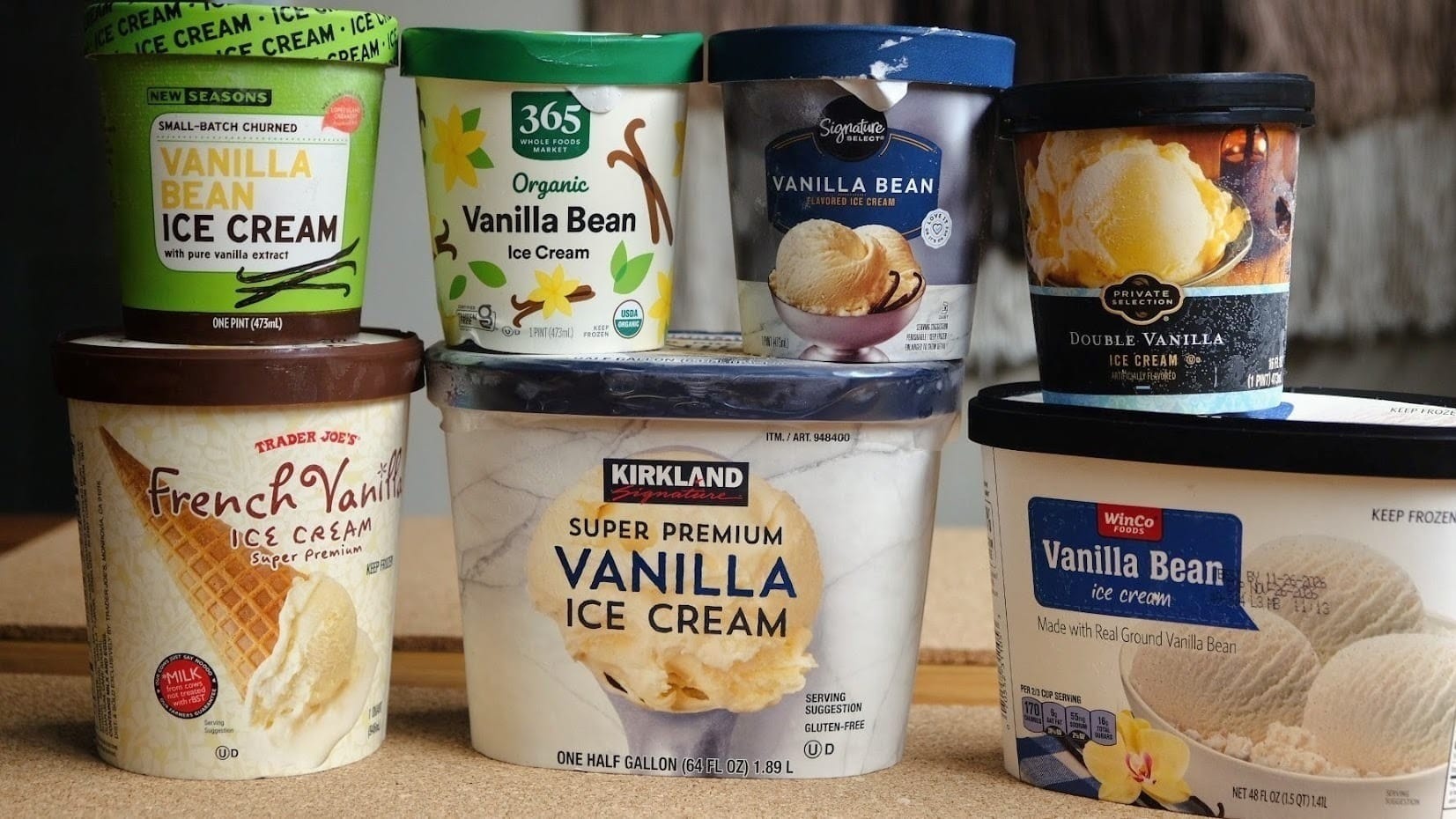
For our latest feature, we checked in with Bryan M. Vance of Stumptown Savings. Working diligently to cover the local food economy, Bryan founded the newsletter in 2025. The only newsroom dedicated to this coverage in the Portland, Oregon, area, Stumptown Savings has grown to include curated grocery store deals, a grocery store price tracker, and taste test products across stores.
Bryan has been selected for the National Press Foundation Local Business Journalism Fellowship, interviewed about his work and continues to create innovative data projects that keep his community informed. Recently, the newsletter reached 8,000 subscribers, and we spoke with Bryan about his growth.
1. What’s the origin story of Stumptown Savings and your reason for launching it?
I got laid off from my job at this startup called City Cast and decided to see if I could build something. I've been weirdly interested in Portland grocery prices since I moved here.
More than a decade ago, I had moved here from a small city in South Carolina where the cost of living was a lot cheaper. I was overwhelmed by how expensive everything here was, and I was living in a neighborhood where the only two grocery stores that I could walk to weren't necessarily cheap.
I started a project just for myself to figure out where I could save money. There are two store chains owned by Kroger in Portland, which sell the exact same stuff. I realized I was paying a 20% premium at the one in my neighborhood because it's a bougier option, even though it offers the exact same Kroger brand products on the shelves. That's always been in the back of my head: there's some weird stuff going on with the grocery scene here.
I've always been interested in the food system. I served on the board of directors of one of the farmers markets here for a while. So when I got laid off, right at the height of the eggflation two years ago, I had this idea of doing something sort of like Wirecutter, but for groceries.
I decided to give it a shot and see if I could figure out where my dollar would stretch the furthest right now, and if there was a way that I could help other people with that information.
The reason I keep doing it is that I've seen that people really value it. It's really hard work, but it's a lot of fun. It's a weird thing to be very nerdy about, but it's kind of cool that I now know so much about grocery stores in Portland.
2. Is there a particular moment when you feel you made an impact on your community with a story or an event?
Occasionally when I'm out, someone will recognize me and say something to me about how much they value the work or how it's helped them save money or save time.
There was a story that I covered last summer about a farmers market in Portland that is run by a local Indigenous nonprofit. They started a program similar to SNAP but at their market. If you qualified for any of two dozen government assistance programs, or were just having a really rough week, you could get $20 in unrestricted credit that you could use at the market.
What was cool is they teamed up with two other smaller markets, so you could do this three times a week. I remember hearing from people who were really struggling at the time that they didn't know about this — that this was a way that they could get some nicer, fresher quality produce and meats.
You could buy meat, you could buy dairy, you could buy a bouquet of flowers — if that's what you needed that week. It was just really neat to see how it was totally unrestricted on how you used it at the market. That was a cool story, specifically hearing from people who hadn't learned about it before, that it made a difference.
3. For the past year, you have run a Grocery Price Tracker at grocery stores in Portland. What inspired you to start this project, what is your strategy around such a product and what has been the community reaction?
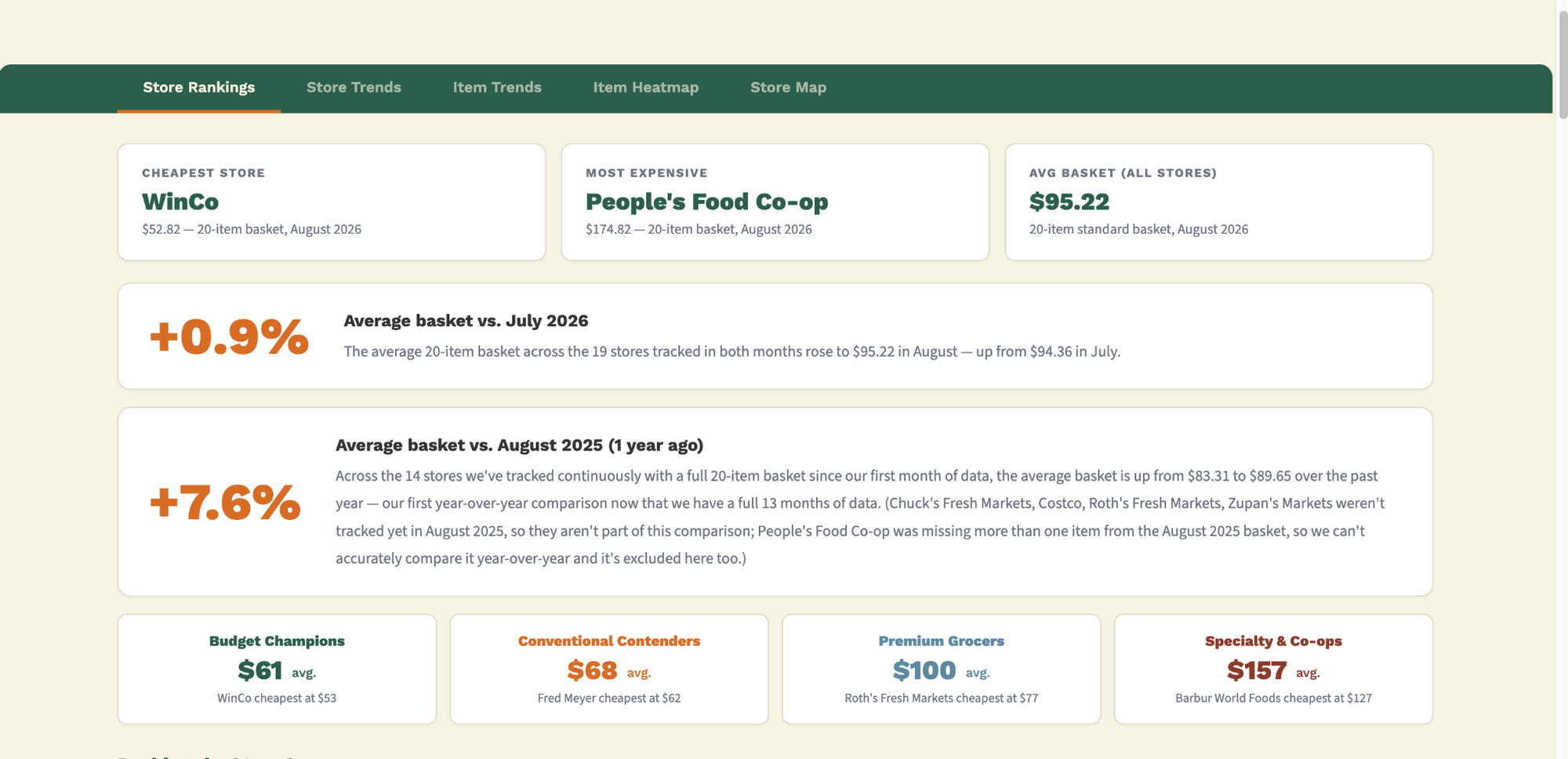
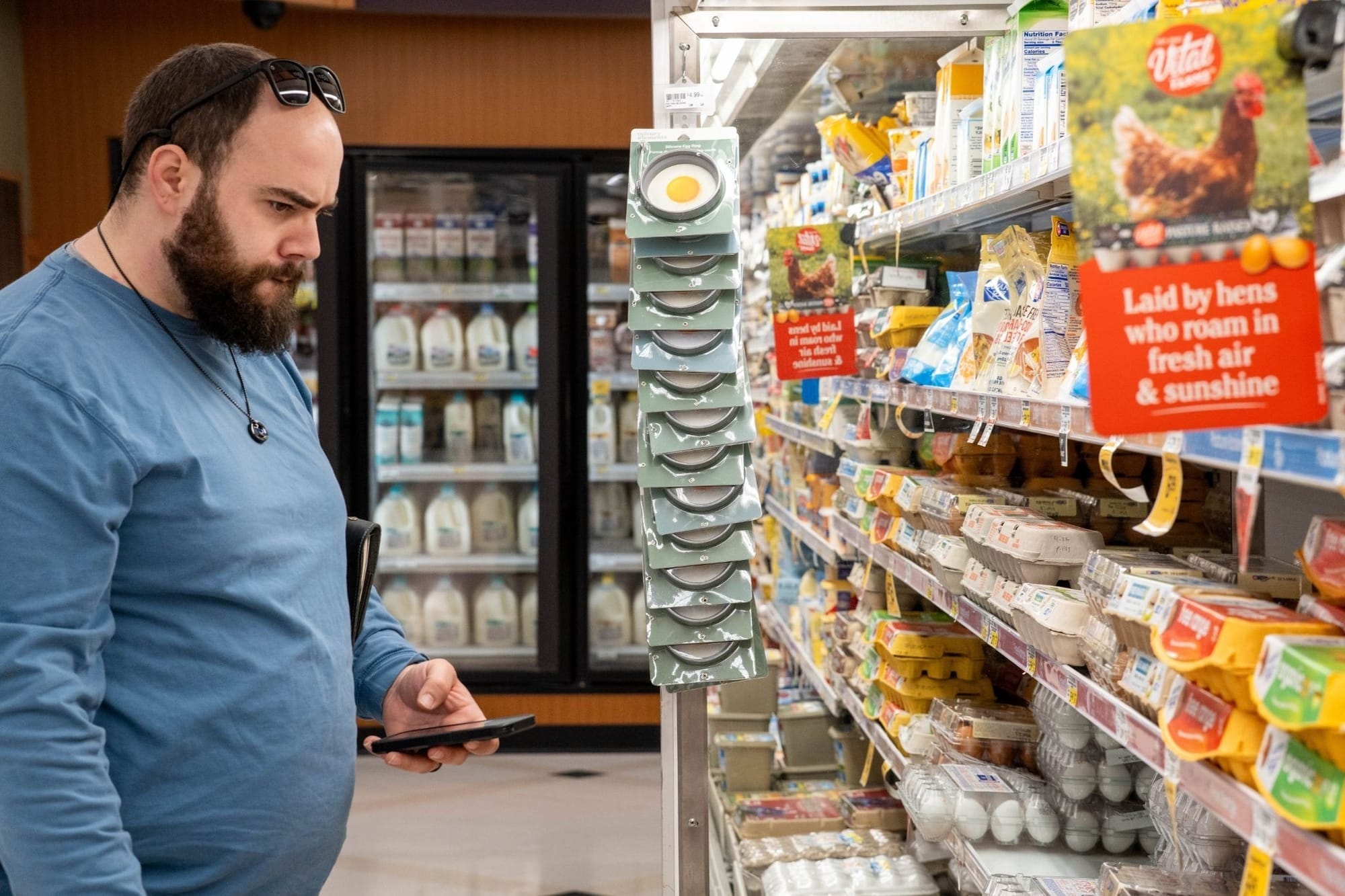
When I started Stumptown Savings, the big thing was eggs. So in 2025, I logged 4,700 individual egg carton prices. I was going around to stores multiple times a week and logging the price of every single carton of eggs on the shelf.
Last August, we were in yet another government shutdown, which meant that the Consumer Price Index data was delayed. I had been using that to report on how grocery inflation was changing over time. But I was never in love with it, because the Bureau of Labor Statistics stopped providing a Portland-specific data set years ago.
So when I didn't have the data, I just decided, well, could I go out and collect it myself?
I started with a small group of 14 stores. Over time, it grew to 21. Stores have since closed, so it's down to 20 that I track every single month and have a full year's worth of data on.
People are really impressed with the data. Occasionally, I'll get people who argue with me that it doesn’t match what they see or that it is not real. I purposely designed the way that I track stuff so that I'm monitoring specific sizes. That way, shrinkflation isn't an impact. For example, I track 1 dozen eggs, not 10 eggs. I’ve done a lot of work to make sure that I'm tracking it in a universal way because I’ve noticed that stores package stuff in weird ways.
The data is interesting because it shows that the narrative that everything is getting more expensive isn't true. Instead, the things that are getting more expensive are getting dramatically more expensive. I find it fascinating because you can see what's really driving the rising cost of food in a Portland grocery store versus just going on vibes or feelings.
4. Tell us about your business model, how you generate revenue, and how you plan to become sustainable in the long run.
This is my biggest challenge. I never once put all my eggs in one basket, to go with a grocery pun. If I rely too heavily on membership, what happens when membership declines? If I rely too heavily on ads, what happens when we're in a recession and the ad market dries up?
I've always tried to have a multi-tiered revenue stream. But I gotta be honest. It is not going the way that I would have hoped. Stumptown Savings does not yet make enough to pay me even minimum wage. It's not losing money, but it’s not sustainable at this point.
Right now, the main way that I make money is through membership. I have more than 270 paying members. I also sell ads, but I'm not great at it. That's one of the areas that I hope to work on, maybe even bringing on a contractor because it's clearly not my skill set. I have tried and failed numerous times.
I'm always on the lookout for grants. I do think the work I'm doing crosses a few important parts of public service. Convincing funders that this is the case — that has been a bit challenging. Stumptown Savings provides information and news to people, and it also helps people deal with food insecurity, in an indirect way. So I keep an eye out for funders who might be able to support this work through a charitable contribution.
I am trying to diversify revenue, but it’s hard. People may not understand that because of the amount of attention paid to well-known national reporters starting their own companies with million-dollar deals. (I’m thinking of the latest news about two podcasters who ran a technology podcast for the New York Times and are now going out on their own.)
That’s not the reality for most independent journalists. Most of us are covering smaller beats, covering local issues. We are doing something different — trying to serve communities. We don't have millions of followers. We don't have a national brand name. So the business side is a lot more challenging. There's a lot that you have to learn and a lot that you have to try, and it doesn't all work. Just because something works for a big name, that doesn't mean it's going to work for a smaller organization, a tiny news outlet.
5. You recently exceeded 10,000 subscribers on TikTok. Tell us more about the process of building your presence on social media.
I hate social media. When I started Stumptown Savings, it was the thing that I was the most anxious about. There are so many issues with social media societally, but also with the news and journalism industry. I think it's a reason that a lot of people have gotten laid off over the past few decades.
But in order to grow something, I realized I needed to be on it. My model was just to try a bunch of different things: Try creating a Facebook account, try creating a Nextdoor account, try creating all these things. Post there for a little while and see what works.
@stumptownsavings I can only fit a few grocery deals in a 60-second video! If you want to see the best deals at 20+ Portland area stores (including Costco, Trader Joe’s, and the co-ops) each week, you need to check the full Thursday guide. It’s a cheatsheet for your grocery run. I even tell you which store has the cheapest eggs and milk that week so you don’t have to guess. Subscribe to the Stumptown Savings newsletter via the link in bio to get the Thursday Cheat Sheet sent to your inbox for free each week! 📩 fyp portlandoregon groceryshopping deals
♬ original sound - Stumptown Savings - Stumptown Savings
In December, I took a training session on how to use TikTok from Project C. I didn’t even have the app before then, but I was open to trying something and seeing what would work. It turns out people on TikTok are really interested in helpful information, at least locally in Portland.
I share the content that I'm already producing for my newsletter, but I adapt it into a video format. I am not doing anything fancy. I’ve decided not to invest a ton of time or resources into it because my newsletter product already demands so much of my time — and provides more of a return for my work. Creating really funny or complex videos is just not possible. But I learned I don't need to do that — just sharing the information about the work resonates with people.
I am also not afraid to stop doing something if it's not working or if it takes too much time. With social media, I experiment and then pick what works for me. If it doesn't work, I just scrap the idea and move on.
I am having fun posting my weekly deals videos on TikTok and recently I posted about my Portland Price Tracker. In the day or two since I posted the price tracker, the number of comments reached more than 100.
Bonus Question: What is one piece of advice you would give other entrepreneurs working to launch their own news organization?
Be prepared for a roller coaster ride. It is not all bad. It is not all great. You are going to have really high highs, and you are going to have really low lows.
Keep in mind that when things are going great that they will not always be great. Plan for how you can leverage the good moments to steady things out.
Just like you put money away for rainy days, stash praise away, keep track of the accolades and kudos you’ve received. That way you can revisit it during the times when you’re not making as much, not getting as much positive feedback. It’s a way to remind yourself that not everyone hates you, or thinks the work you're doing is silly or stupid.
Have a support network or a person you can rely on. I'm very grateful that I have an incredibly supportive wife. I would not be able to do this without her. Not everyone needs to have a Monique that you're married to, but you could have a person or a group of people that you can rely on for certain things. It might even just be someone who can listen to you when you're frustrated with how it's all going. That's crucial: Even if you're doing it alone, you can't truly do it alone. You need to have other people in your corner.
Learn more about other TNC founders by reading these stories:
 TNC
TNC
 TNC
TNC
 TNC
TNC
 TNC
TNC
 TNC
TNC