
Helping news entrepreneurs and their communities flourish everywhere
💡The power of showing up: How tiny newsrooms build community IRL
By Amy L. Kovac-Ashley
As a sign of the times, our member newsrooms are leaning into two diametrically opposed strategies for how best to serve their communities: 1) innovative use of AI to add capacity and to create new products and 2) showing up “in real life” (IRL) in all kinds of ways — not just being the only reporter in government meetings but also meeting people where they are, producing their own events and building relationships. The latter is what Hearken co-founder Jenn Brandel calls “actual experience” or AE for short. Through actual experience, newsroom founders demonstrate that they are not apart from the community but a part of it. They are the ones who show up.
They organize breakfasts, mutual-aid gatherings and engaging community conversations. There's a reason in-person work keeps surfacing across our Collective. Trust doesn't scale the way software does, but it does compound. Every listening session (some have become experts at this), every awards dinner, every phone-free hangout is an investment into a relationship that could lead to a story tip, a donation, a sponsorship or simply someone believing that this outlet is for them.
Showing up is an underrated superpower of our member newsrooms, and their communities are taking note. What follows is a handful of examples pulled from across the network:
- The Logoff events by Newsberg. A phone-free pop-up where guests check their devices at the door and spend a couple of hours with puzzles, card games, a local vinyl DJ and no agenda. What makes it unique: It's built around subtraction rather than programming. The news outlet isn't delivering content so much as delivering a stretch of uninterrupted, in-person time, with a local business partner helping share the load.
- Mutual aid picnics by The Platia (and other local groups). Annemarie Dooling of The Platia partners with South Philly Punks with Lunch and Food Not Bombs for gatherings in a Philadelphia park with reclaimed and cooked food, along with Narcan kits and training. She also makes a point of listing all the mutual aid volunteer opportunities happening around town. The goal is to meet neighbors in person, bridge social divides and make the reporting feel useful and immediate by connecting people to each other and to concrete ways to help. Solutions journalism IRL.
- Bloomfield Avenue Is a Commons discussion by D10/11 SUB/URBAN Review. A facilitated community conversation about a shared roadway as civic space. This event will bring together residents, business owners, cyclists and planners to talk about shared public life across the county. What’s distinctive is that they apply a structured agenda (short lecture + conversation using "Three Practices" framework) to a hyperlocal topic most outlets would cover from the sidelines, turning coverage into a convening.
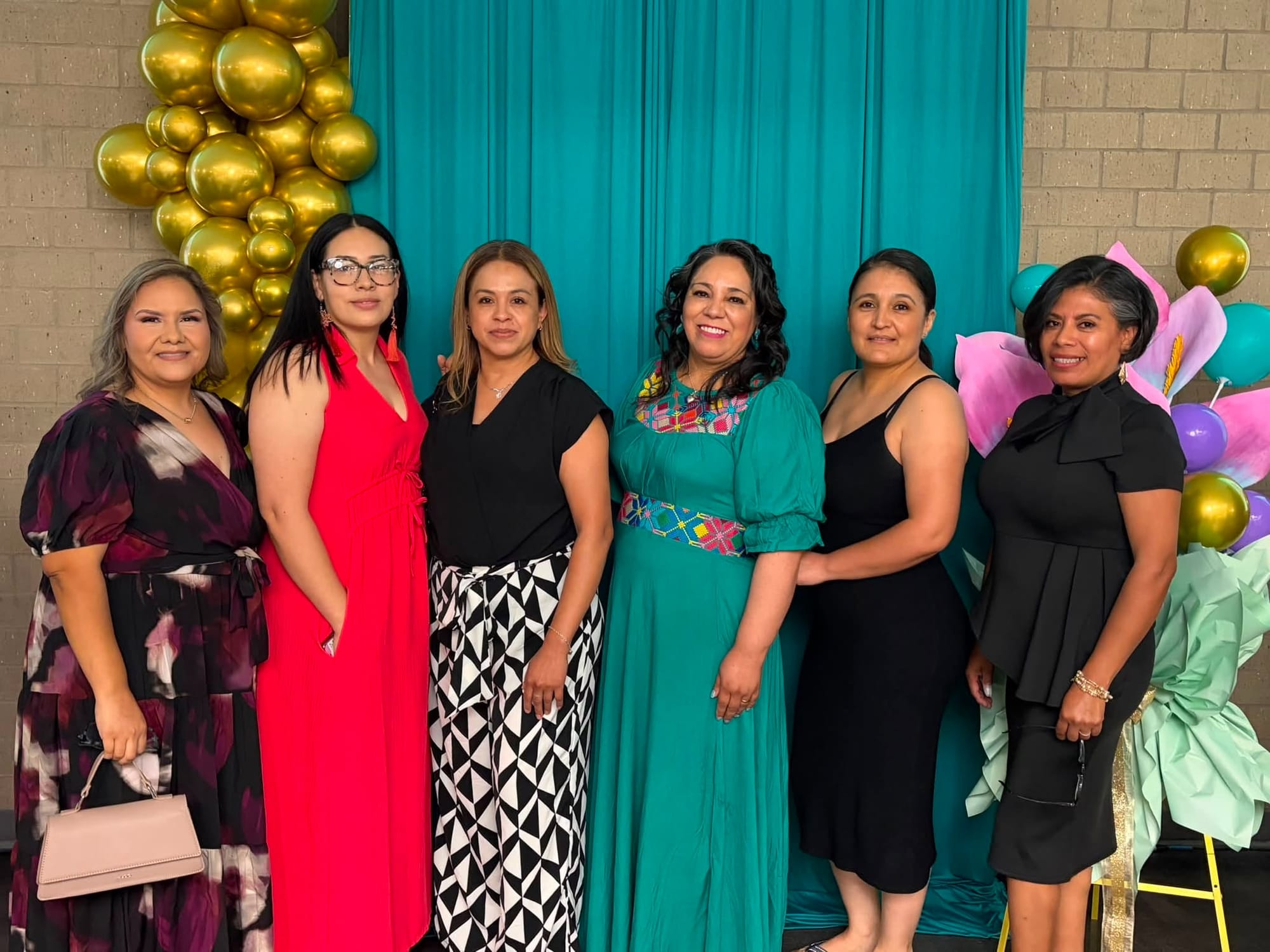
- Latino Awards Dinners from Planeta Venus. Now in its third year, this bilingual gala brings together Latino community leaders, entrepreneurs, educators and families for an evening of recognition and celebration. What sets it apart is its recurring nature, becoming an annual touchpoint as a visible event that puts a spotlight on the community and also builds the publisher's standing in the community year over year — not just as a one-off activation.
- International House of Breakfast from Synonym Magazine. A summer breakfast series hosted with a local restaurant, a local chef and coffee partners, gathering readers around a table instead of a homepage. What makes it so great is that it uses food, not a panel or a pitch, as the connective tissue. It’s a low-stakes way to get people in the room together and to build the kind of relationships that later show up as sources and subscribers.
None of this is just community theater. Showing up in person has real upsides for tiny newsrooms reimagining their products and roles in community: It opens doors to story ideas that never make it into an inbox, it gives sponsors and funders something tangible to attach their name to, and it puts a face and a handshake behind a byline in a way that builds loyalty. It also includes finding people where they already gather by showing up with grace and enthusiasm at other people's events, too.
Different formats, different towns, same underlying bet: that gathering, listening and taking action together IRL is itself a form of journalism.
🗣️ TNC Around Town: Erica Perel will attend the Independent News Sustainability Summit September 9-11 in San Diego. She will co-lead a TNC panel called, “MVP: More than a website and a dream” with Mat-Su Sentinel’s Amy Bushatz and News Relay Network’s Daphne Magnawa. She’ll also co-host a gathering of TNC newsrooms with our partners at Listening Post Collective. It will be a busy time, but please say hello if you see her!
TNC News
Tiny News gives third round of Immediate Needs grants to 22 member newsrooms
Tiny News Collective is excited to announce a third round of Immediate Needs Fund grants to support member newsrooms dealing with urgent and emerging needs. Each of the 22 selected newsrooms will receive $5,000, for a total of $110,000, continuing the fund's mission to provide support that helps tiny news organizations stay sustainable in a time of economic and political uncertainty. The fund is supported by the John D. and Catherine T. MacArthur Foundation.
This new round of grantees includes:
- Aging in America News
- Black Belt News Network
- Black by God | The West Virginian
- Caribbean Television Network
- Crosswinds News
- D10/11 The SUB/URBAN Review
- Hola Cultura
- La Verne Daily News
- Mat-Su Sentinel
- News Relay Network
- Mendo Local Public Media
- Organ Mountain News
- Ottawa News Network
- Planeta Venus
- Project Optimist
- The Parlor Magazine
- The VP Chicago
- Tucson Spotlight
- WBR Independent
- Whittier Informed
- Witness
Read more about the program here.
How six tiny newsrooms are building trust through community listening
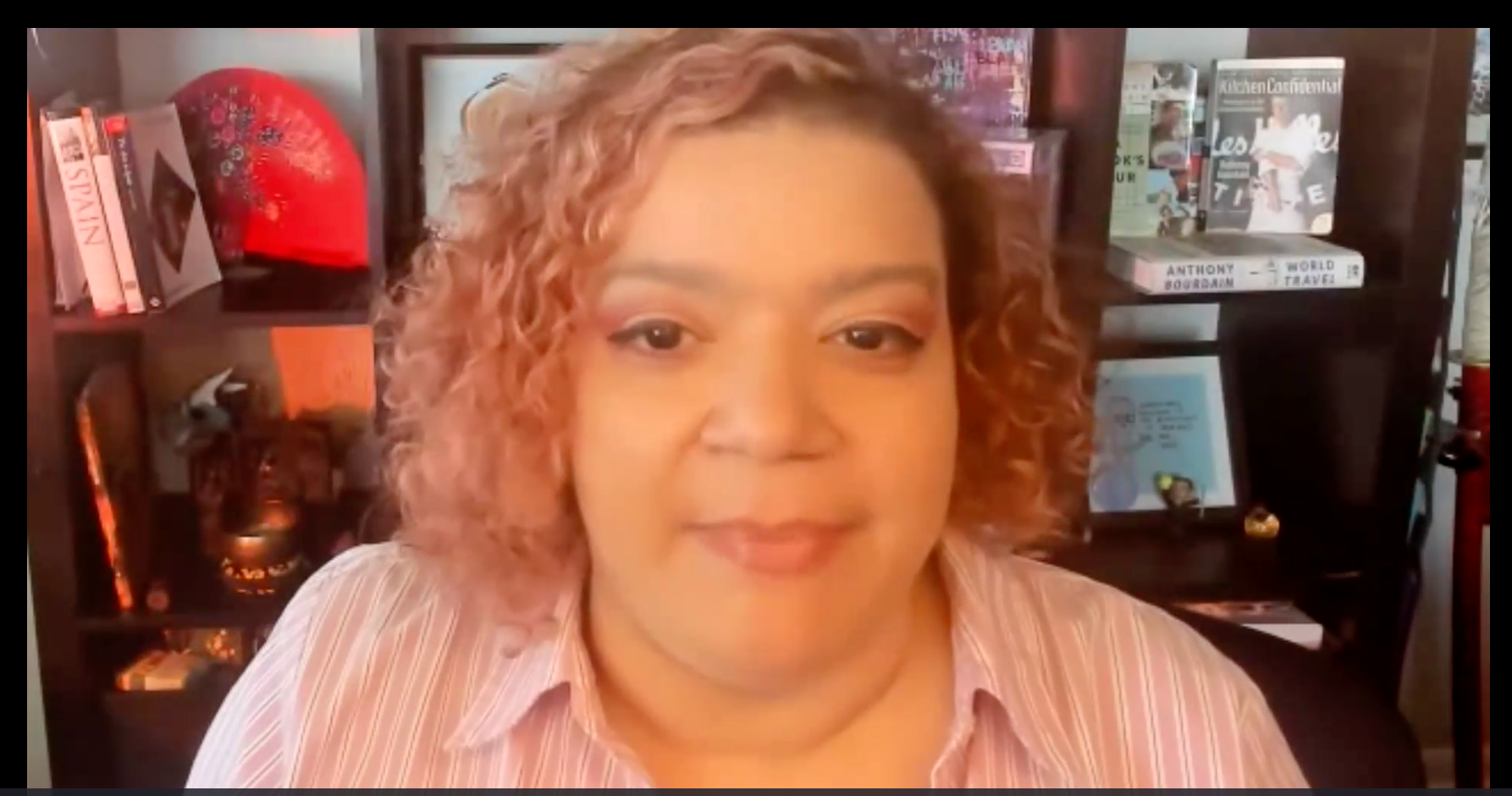
Journalism built on trust starts with listening. A lot of newsrooms talk about listening to their communities, typically through a survey every year or two, or connecting with them through emails or social media. But listening is in the DNA of tiny newsrooms in a different way. A partnership between Tiny News Collective and Listening Post Collective helped six newsrooms put that instinct into practice. They found that community listening works best when it’s an ongoing practice and not a one-time survey. It has to be built in from the start and repeated as communities and their needs change.
That’s one of the big takeaways from a recent July webinar where TNC and LPC gave the mic to newsroom leaders to hear more about their community listening practices. The newsrooms found a consistent “positivity gap,” with residents craving uplifting, solutions-oriented coverage over crime and negativity, as well as a “trust gap” where social media dominated news consumption but wasn’t necessarily trusted. Trust instead came from showing up in person, connecting with community messengers and giving people genuine resources.
Learn more about the four key takeaways from the webinar here.
5 Questions with Brittany Harlow of Crosswinds News
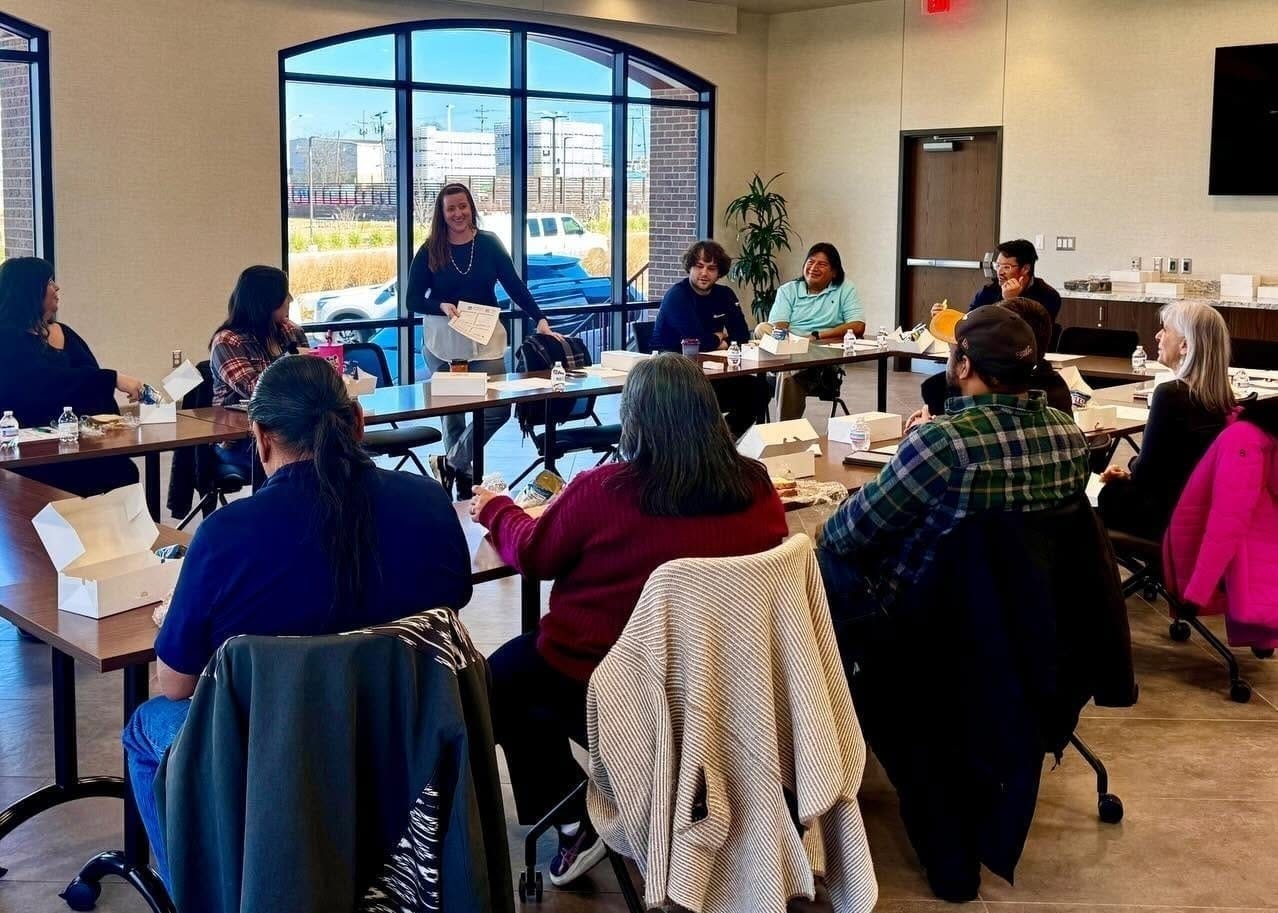
For our latest “5 Questions” feature, we checked in with Brittany Harlow, one of the co-founders of Crosswinds News, an award-winning publication covering Native American communities in Oklahoma. Eight years ago, Brittany and her husband started Verified News Network (VNN). Over time, VNN eventually grew into Crosswinds News, and they officially relaunched in fall of 2025 with a new look but with the same Native-focused mission.
Primarily Native staffed, community listening is at the core of Crosswinds’ work. They have conducted a year-long listening tour, held community surveys, hosted community summits and even created the Crosswinds Calendar to help close information gaps across their region. They have won multiple awards for their work and are finalists for two LION Sustainability Awards this year: operational resilience and community engagement.
Read the entire profile here.
5 Questions with Tayo’s Leezel Tanglao
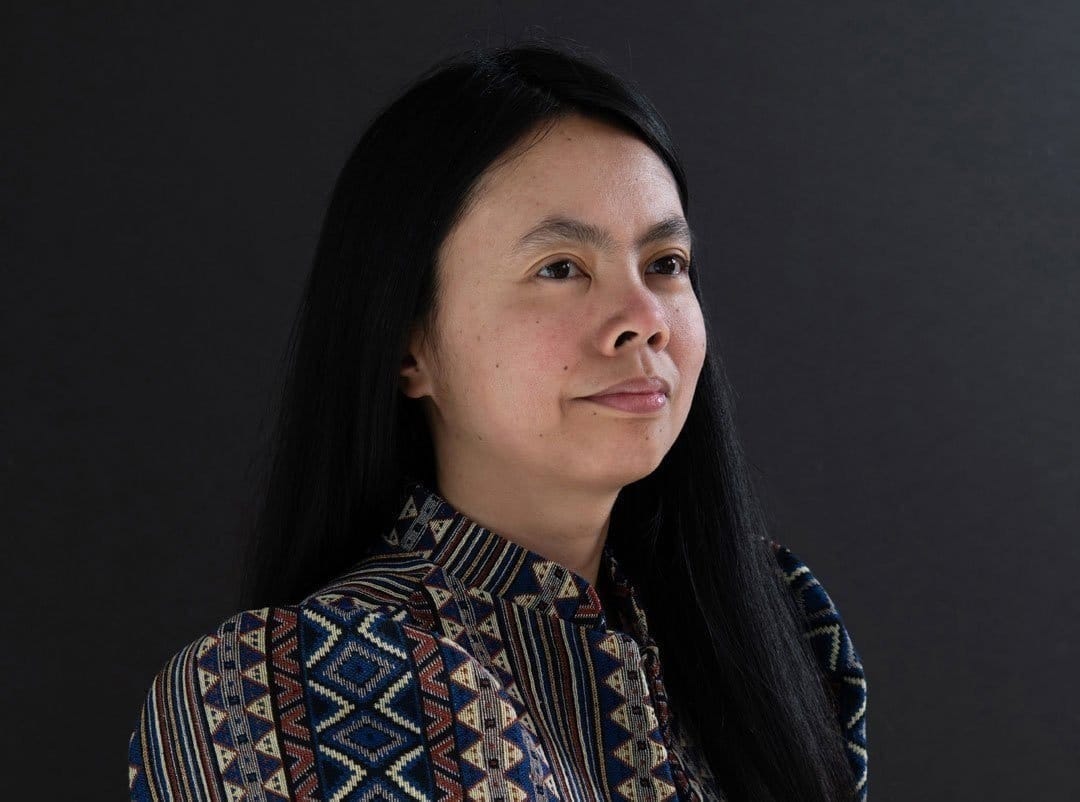
This month is a double dose of “5 Questions”! We also checked in with Leezel Tanglao, one of the co-founders of Tayo, an organization working to provide the Filipino community with resources and news that help them navigate daily life. Launched during the COVID-19 pandemic as a virtual help desk, Tayo now conducts research, hosts health information sessions and publishes explainers that fight misinformation.
In 2025, they received an honorable mention in Phase II of the Build UP Trust Challenge from the National Institutes of Health. This competition seeks to identify solutions that increase research participation and the adoption of medical care by building trust and improving engagement with historically underserved communities. Tayo is one of 12 honorable mentions and is the only Filipino organization.
Read the entire profile here.
Join an AMA to learn about Tiny News
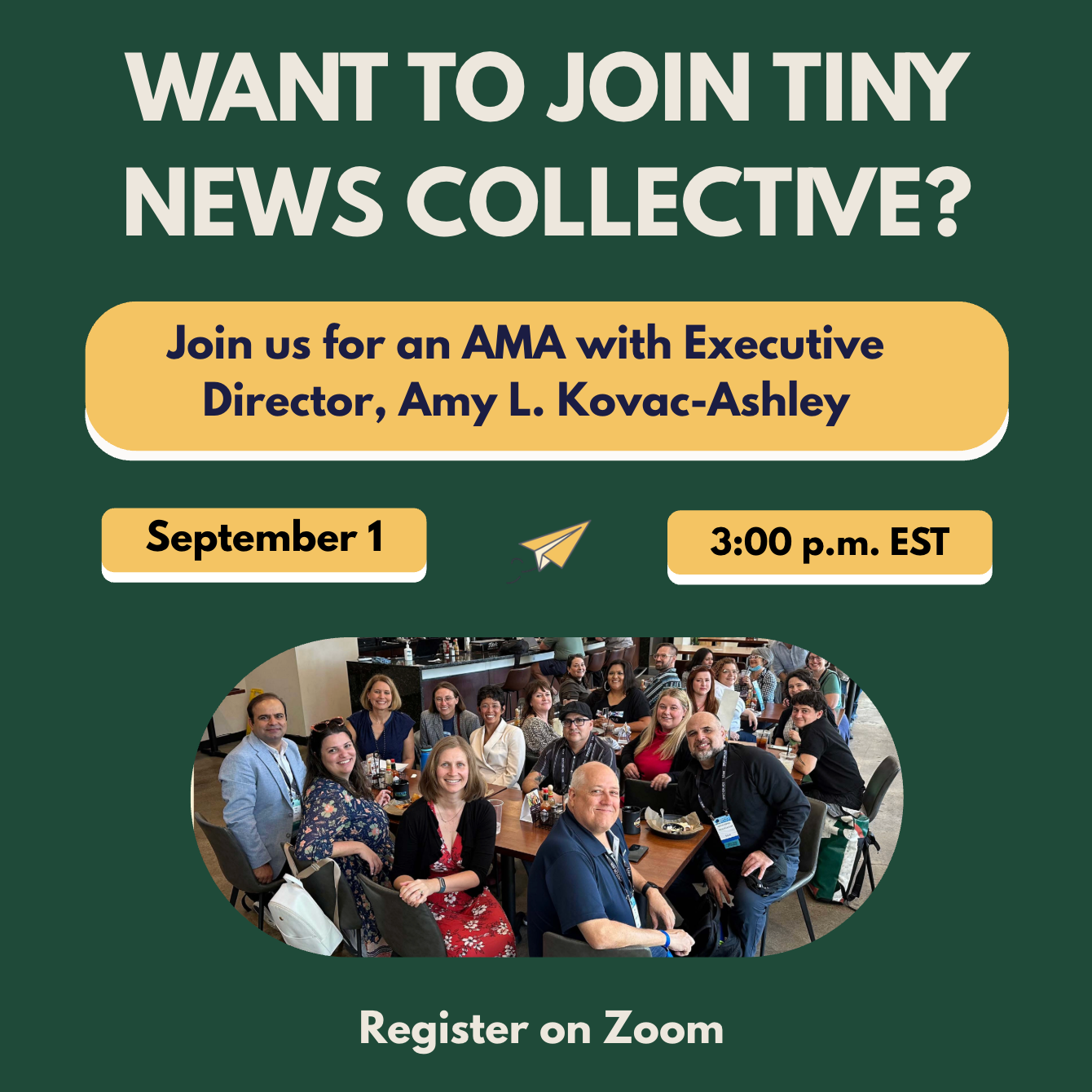
Want to learn more about Tiny News Collective? You’ll have a chance soon when our executive director Amy Kovac-Ashley runs an “Ask Me Anything” (AMA) session on September 1 at 3 p.m. ET. She’ll walk through what membership looks like, who it’s for and how founders are using TNC to build community-rooted newsrooms. Whether you’re pre-launch, early stage or just exploring your options, this is a chance to hear directly from our team. Register here!
Founder Shout-outs
Birthdays, grants and cohorts 💰
This month we are celebrating:
🎊 The first birthday of MendoLocal.News, which moved onto the Ghost platform, tallied 350+ stories published, achieved nonprofit status, received an Immediate Needs grant from Tiny News and was accepted into NewsMatch for the fall.
🎂 Crosswinds News celebrated the eighth birthday of Talking Circle, the work that became Crosswinds News.
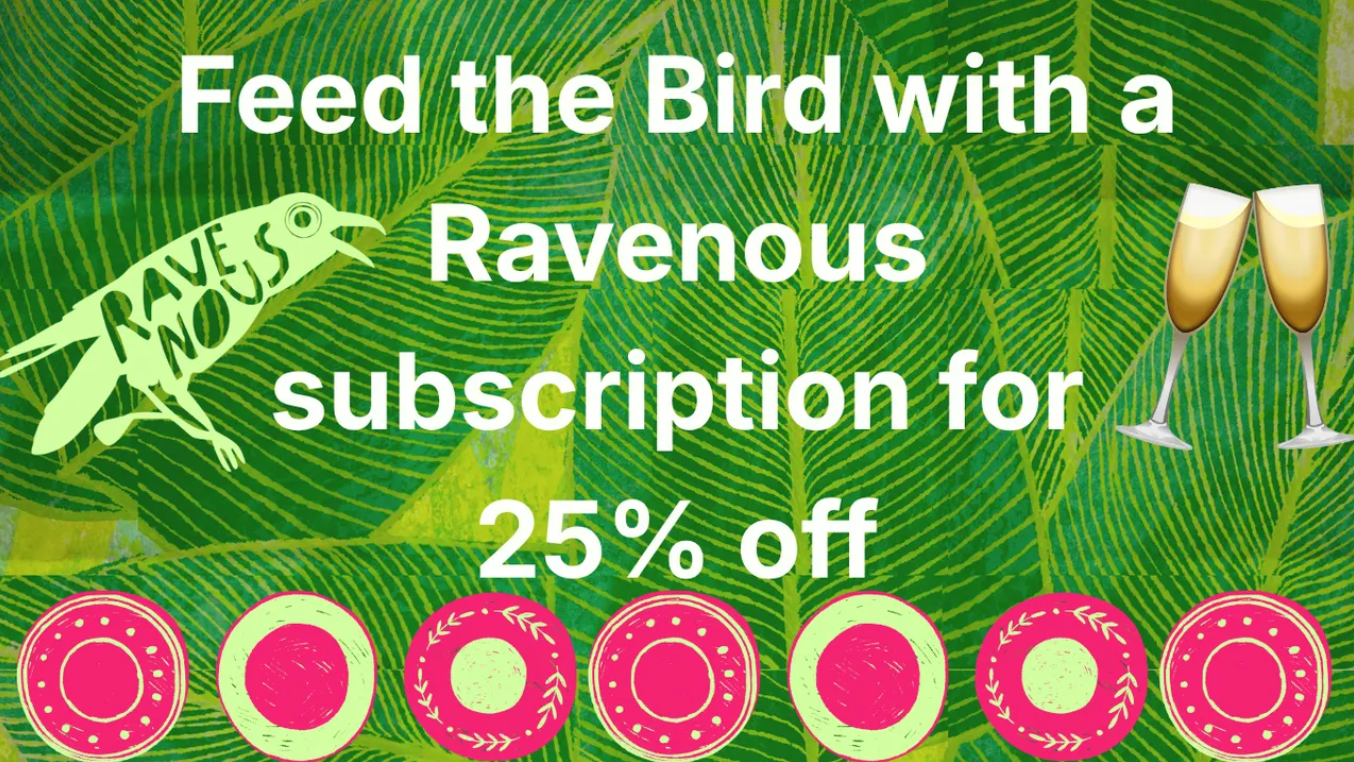
🐦⬛ August marks one year since the layoffs that led the five co-founders of Ravenous to hatch the idea to launch their own outlet. To commemorate that, they are running a special 25% discount campaign for paid subscriptions. Plus, the worker-owned food and culture publication celebrated hitting 5,000 free and paid subscribers only three months after launch! 🥂
💖 Jillian Melero of Connect Puerto Rico was accepted into ONA’s Women’s Leadership Accelerator. Jillian will work with coaches and other news leaders, and thanked TNC’s Spark Fund for helping make it possible. She also is part of the Pulitzer Center’s Digital Storytelling Accelerator for Climate Reporters, creating short-form social videos.
💸 The Edge received a Sustainable Newsroom Innovation Grant of up to $10,000 from Press Forward Blue Grass to launch the Kentucky Land Use News Desk, a statewide reporting collaborative.
🧪 Black Belt News Network was selected as one of 20 newsrooms around the country to be part of the LMA Lab for Journalism Funding, a six-month program to help newsrooms build philanthropic support. Crosswinds News was selected to join one of the state cohorts of the same fund.
✨Landmark moments
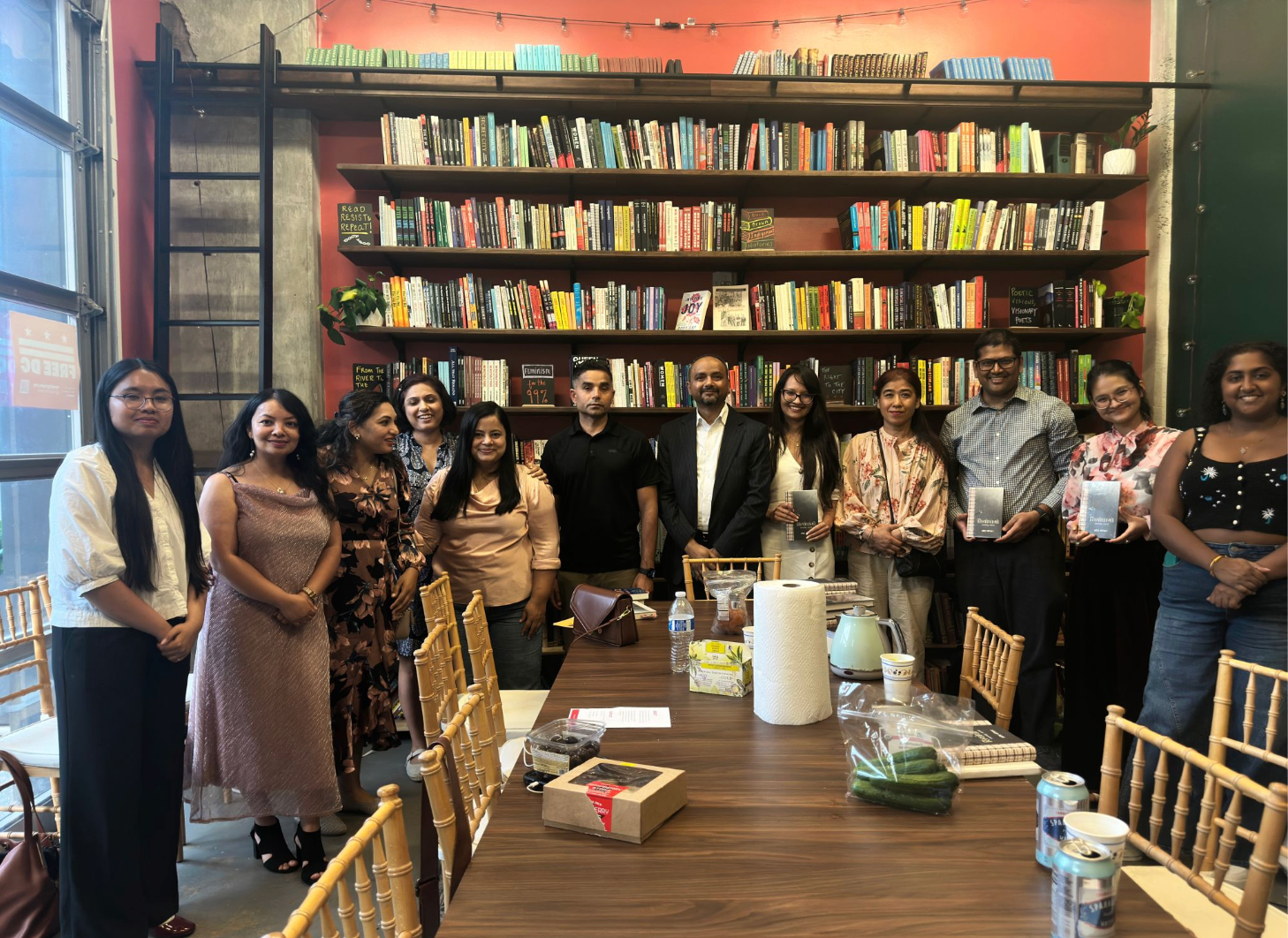
📚eShe produced its first community event at Bol Coop Bookstore in Washington, D.C. (pictured above) with author Pradip Pariyar as the featured speaker. Pradip asked a key question: How long will it take to close the caste gap?
🎉 COYOTE Media ran its first summer subscriber drive and surpassed their goal of 100 new paid subscribers, with an offer of 25% off annual subscriptions.
🥳 Stumptown Savings felt the momentum this month, surpassing 6,000 newsletter subscribers as well as 10,000 TikTok followers.
💰 Austin Vida released a mid-year impact report, tallying milestones such as raising $8,000+ via NewsMatch, receiving a two-year grant from St. David’s Foundation and conducting a listening session focused on mental health.
🌟 In the Wake TV, one of our newest members, moved from Vimeo to a new website on Ghost. It’s a “people-powered media co-op centering Black life through news, culture, documentaries and live coverage.”
💵 Synonym Magazine is launching paid subscriptions and will relaunch on a new web platform on September 15, with its next issue planned for late September / early October. With these new products, they will be able to reach more people who want to explore immigrant food cultures and the forces that affect them.
✅ The 51st won us over with its latest reader survey pitch, offering one respondent $151 in “cold hard cash” (a Visa gift card) and framing the pitch with “hey boss” when addressing readers. “One of our favorite things about being an independent, people-powered newsroom is that you, our readers, are our bosses.”
Speaking up and speaking out 🗣️
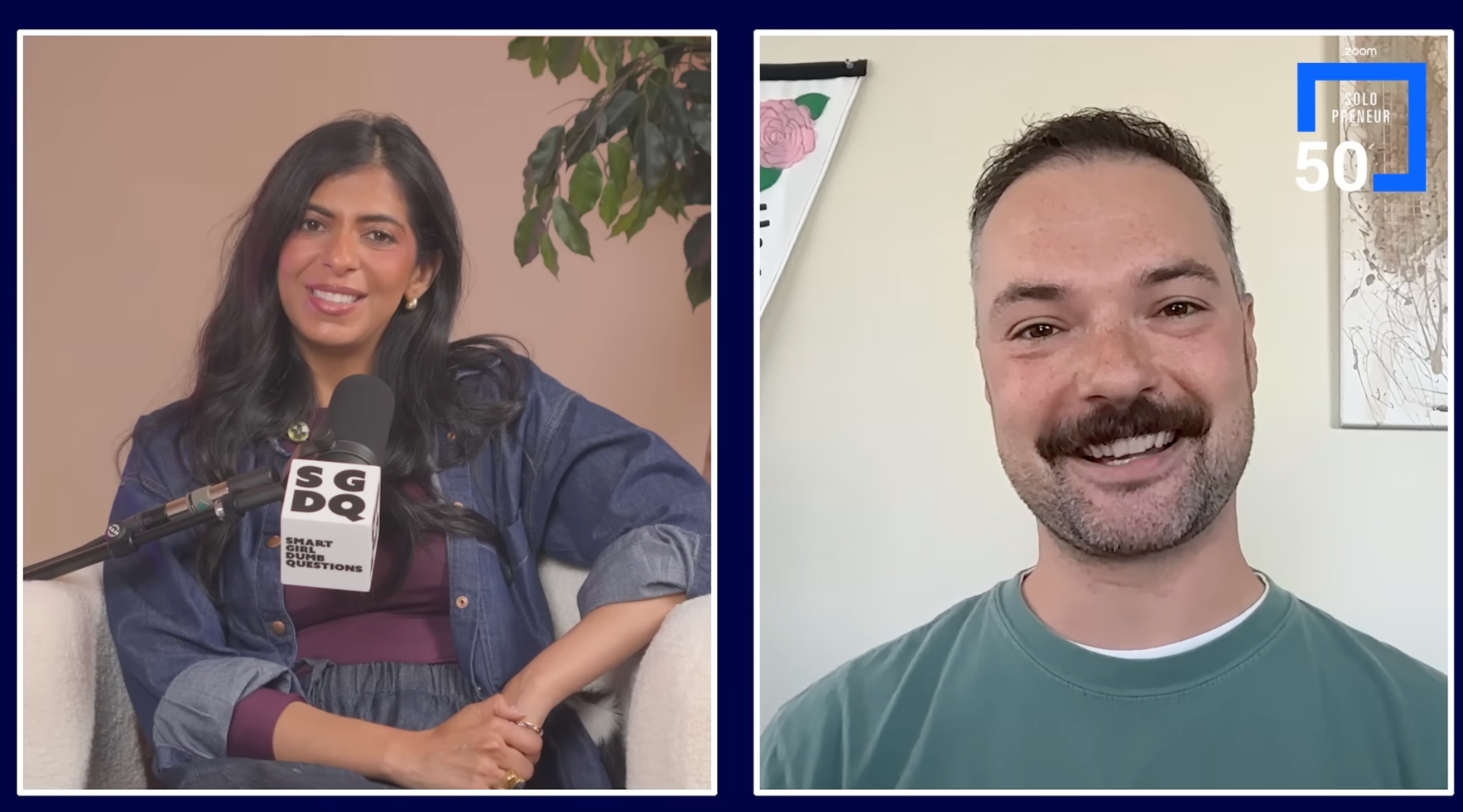
🎙️Branden Andersen of Newsberg was interviewed on the “Smart Girl, Dumb Questions” video podcast recently (see screen grab, above), with the title of “How a One-Person Newsroom Is Reviving Local Journalism.” The interview is one of Branden’s perks for being named to the Zoom Solopreneur 50.
🥂 Rahim Jessani of Bottom Up Media produced his first in-person event in Boston, partnering with the Video Consortium and having more than 100 people attend to talk about the creator economy and journalism.
📺 Ravenous was profiled by WTTW public TV, including an interview with co-founder and James Beard Award-winner Ashok Selvam. “We thought we could serve that group that wants to settle down, get situated in their most comfy chair,” Ashok said, “and read something that will make them think.”
Stories with impact 💥
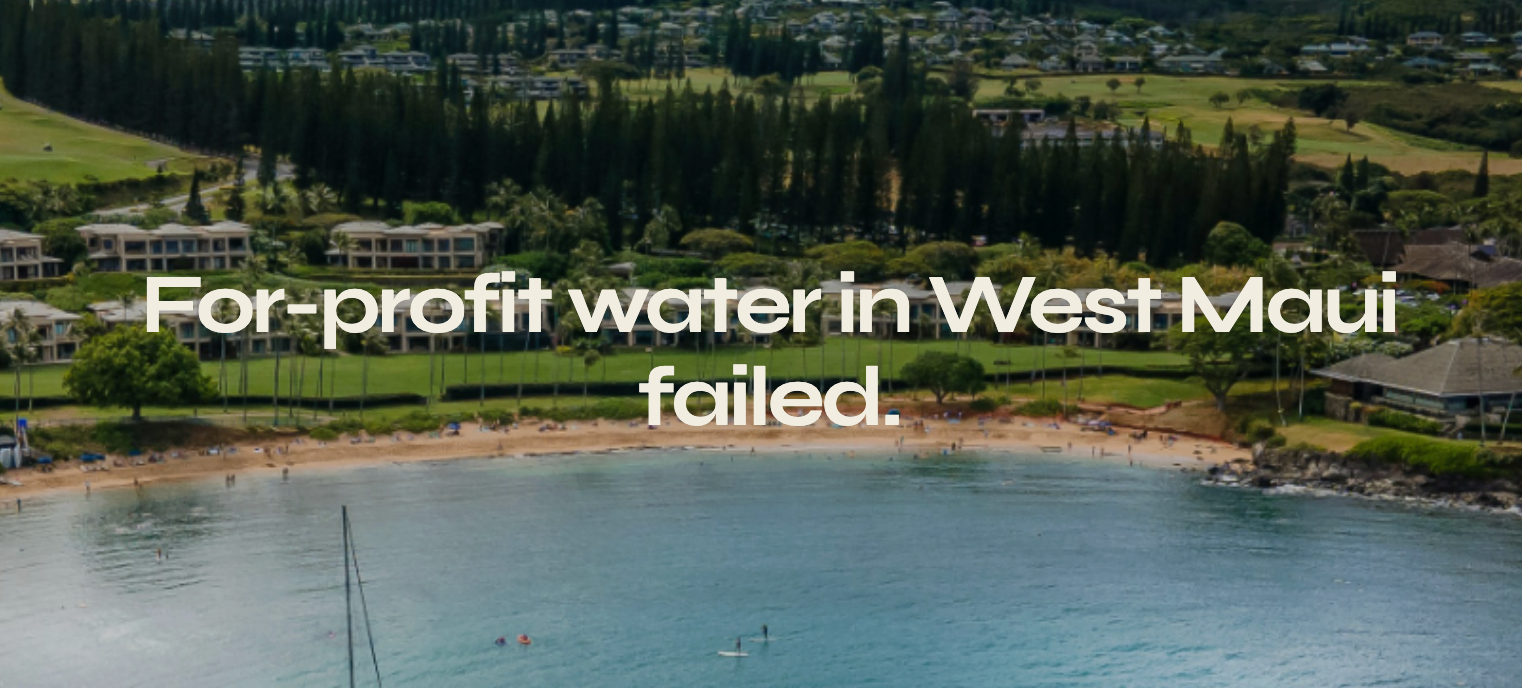
🚰 Kaheāwai Media ran a five-part story about the future of water in West Maui right as public hearings were taking place about Maui County possibly buying back privatized water utilities. The in-depth stories included ways people could take action, including testifying or attending public meetings online.
🚜 Roseville Reader has been collaborating with local creators and recently cross-posted a story about a local family farm from an organization called Minnesota Grown.
✍🏼 Oxford Free Press co-founder Richard Campbell is on a roll lately with his Media Matters column. In one, he enumerates the challenges from the loss of local news in communities, along with the rise of state policies in support of local news. In another, he connects politics to newspaper owners, from the presidential race of 1920 to the portrayal of William Randolph Hearst in “Citizen Kane.”
Resources
Fault Lines Reporting Fund from International Women’s Media Foundation
Supports journalists reporting on the forces driving racism, antisemitism, Islamophobia, misogyny, and other forms of intolerance. Successful applications will examine how false, divisive and harmful narratives take hold, including what is fueling them, where they are most pronounced, the scope of their impact and where progress is made in combatting hate-based agendas. Grant awards range from $2,500 to $10,000. Applications accepted on a rolling basis.
Reporting Grants from Sidney Hillman Foundation
Grants support ambitious, timely, under-covered stories about the U.S workplace. The grants are part of the foundation’s efforts to improve coverage of working people, union organizing and the workplace. They are also intended to help support freelance reporters. Grants are up to $5,000 and are intended to cover the costs of reporting these vital stories, such as travel and related expenses. Applications accepted on a rolling basis.
Power of Diverse Voices: Writing Workshop for Journalists of Color
November 10-13 in St. Petersburg, Fla.
This free workshop (with some travel support) celebrates its 10th anniversary at Poynter by helping journalists of color harness the power of their voice through four intensive days of immersive learning. Develop confidence and skills to share your unique perspective, build professional networks and address the underrepresentation of diverse voices in opinion journalism. Apply by September 18.
Mental Health in Journalism Summit from The Self-Investigation
October 6-9, online
An open, collaborative and global conversation about what care looks like when it's built into the structures of journalism work.
The Lenfest Expert Network
The Expert Network connects local news organizations with experienced consultants who provide pro bono hands-on support to strengthen sustainability, audience engagement and digital transformation for short-term consulting engagements lasting one to six months. Interested in joining an upcoming consulting round? Sign up for office hours here.
Thanks for reading the latest edition of the Big Blast from Tiny News. Be sure to follow us on social media to keep up with the latest from TNC and our amazing group of founders!
Follow us on LinkedIn.
Follow us on Bluesky.
The Big Blast Credits
Written by Amy L. Kovac-Ashley, with Mark Glaser
Edited by Amy L. Kovac-Ashley