
By Mark Glaser
Journalism built on trust starts with listening. A lot of newsrooms talk about listening to their communities, typically through a survey every year or two, or connecting with them through emails or social media. But listening is in the DNA of tiny newsrooms in a different way. A partnership between Tiny News Collective and Listening Post Collective helped six newsrooms put that instinct into practice. They found that community listening works best when it’s an ongoing practice and not a one-time survey. It has to be built in from the start and repeated as communities and their needs change.
That’s one of the big takeaways from a recent July webinar where TNC and LPC gave the mic to newsroom leaders to hear more about their community listening practices. The newsrooms found a consistent “positivity gap,” with residents craving uplifting, solutions-oriented coverage over crime and negativity, as well as a “trust gap” where social media dominated news consumption but wasn’t necessarily trusted. Trust instead came from showing up in person, connecting with community messengers and giving people genuine resources.
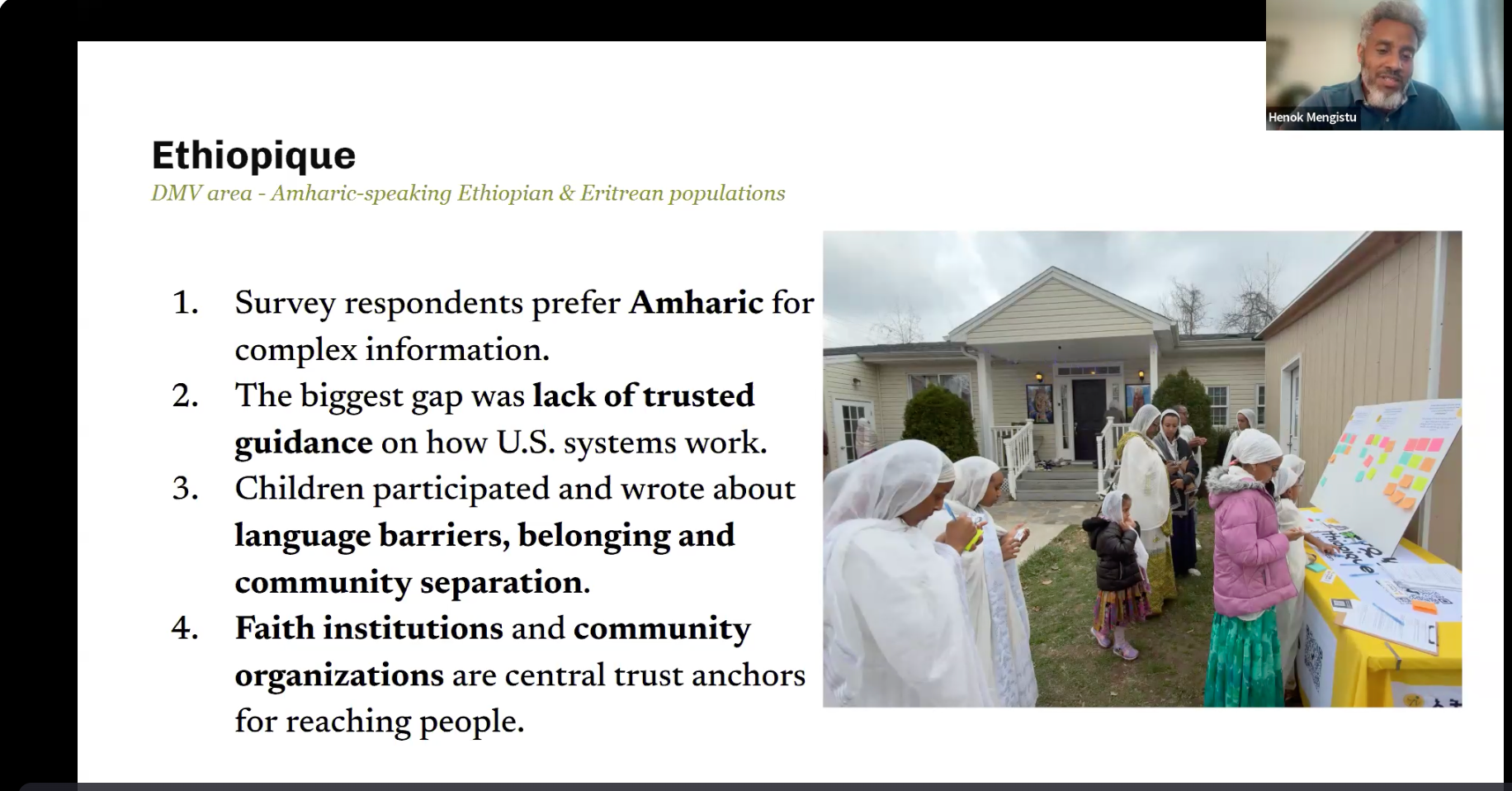
"It's not only the things that we publish online, but [community members] also reach out to us with direct messages, asking questions about some closed businesses or government office operations, or a phone number for the embassy,” said Henok Mengistu of Ethiopique. “We try to accommodate each and every one of those requests as much as we can. And they become our advocates when it comes to trust in the community."
 TNC
TNC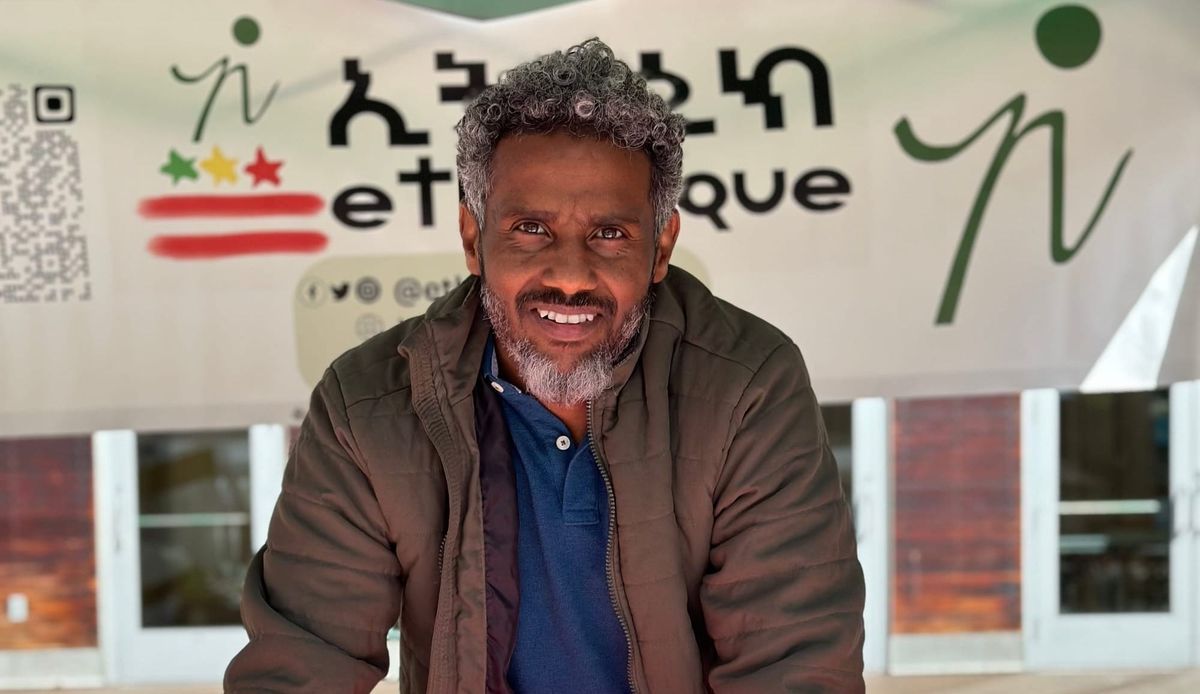
Here are four takeaways from the webinar based on lessons learned from the six tiny newsrooms:
1. Listening reveals a consistent “positivity gap” with communities desiring uplifting coverage vs. just bad news.
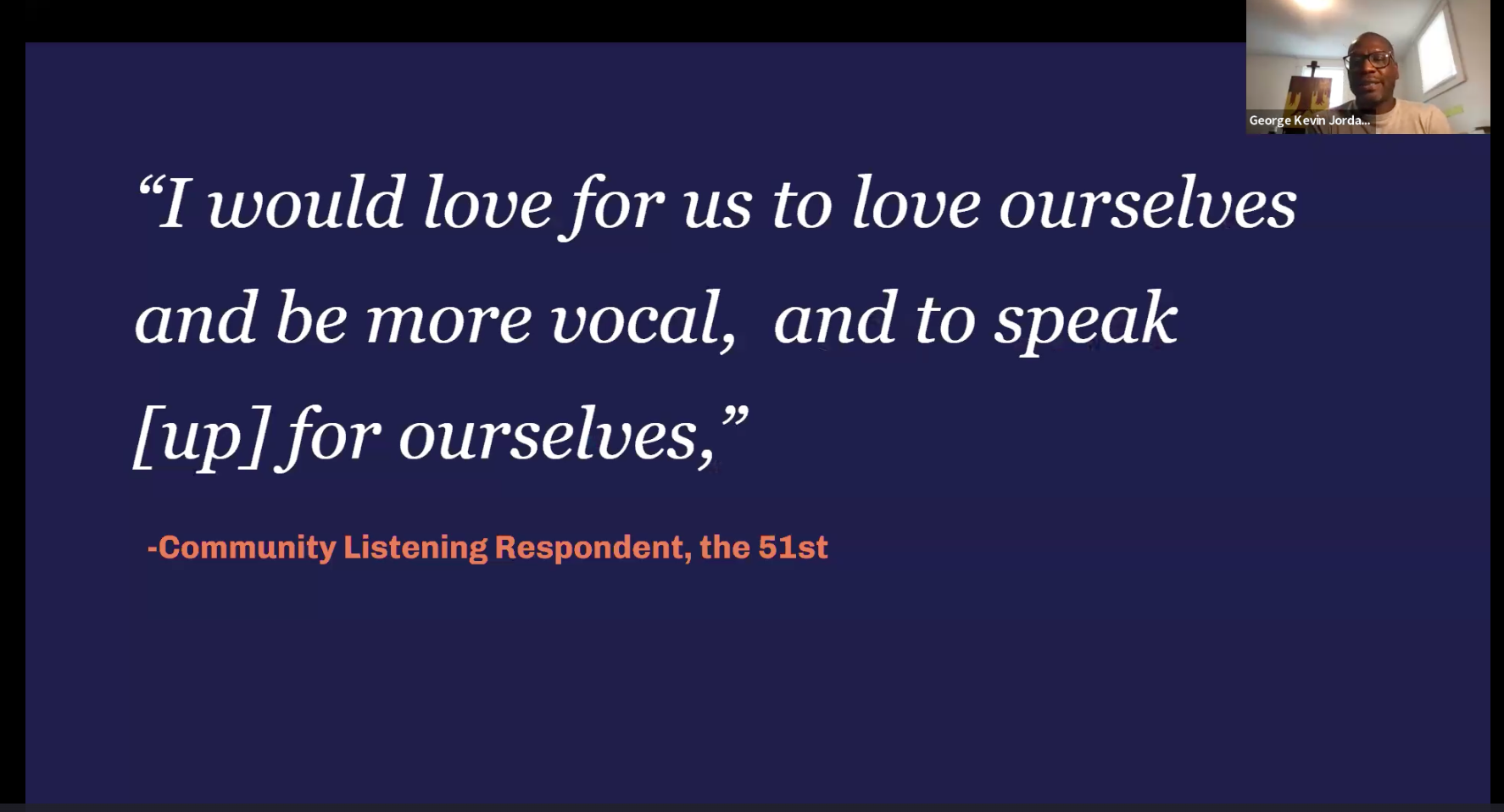
Across nearly every newsroom, residents said they wanted more uplifting stories (history, culture, business, sports) rather than just crime and negative news. Tucson Spotlight found that more than 25% of respondents cited negativity as their top barrier to engaging with local news, and George Kevin Jordan of The 51st said he was most surprised to learn that residents in one of the city’s wards wanted history and culture stories, and not just bad news.
“They wanted to hear more positive news, things that went back into the history and culture that they were proud of,” he said.
 TNC
TNC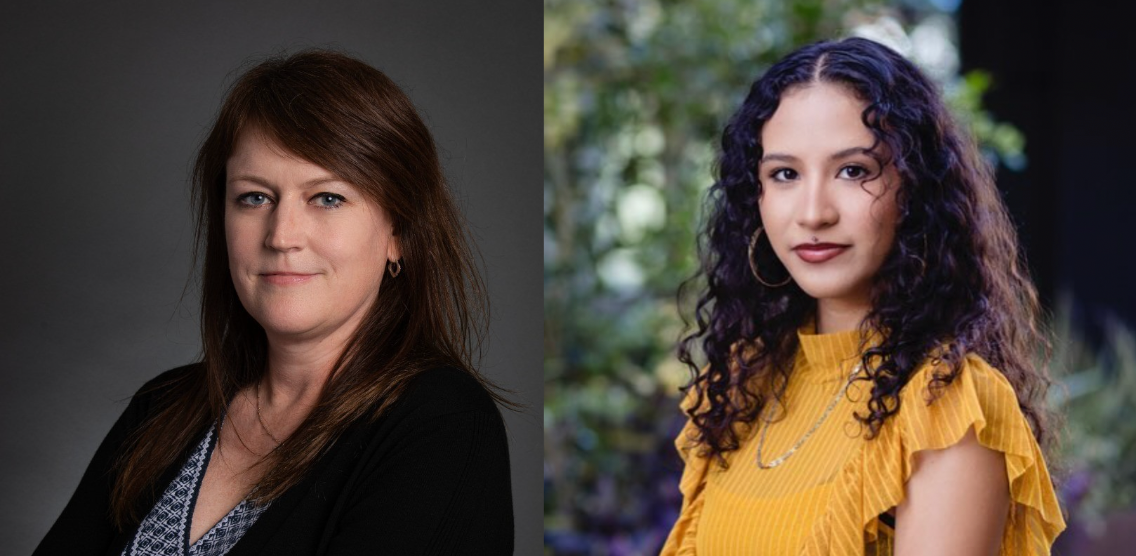
2. Trust is built through stronger relationships with community members and earned through service.
Several newsrooms found that they could build trust by showing up in person repeatedly and working with trusted messengers who could vouch for their newsroom. Cindy Fisher of Black Belt News Network said that working with pastors and moms in the community helped build her credibility, leading to more survey respondents.
“I've been meeting with pastors…that are very influential in our community,” she said. “And sharing more about what the churches are doing. I want to do another listening session just with neighborhood folks and get it even more deeply rooted [in community] so that we are speaking directly to our people and listening.”
3. Tiny newsrooms can run rigorous listening processes, but it takes creative outreach and incentives.
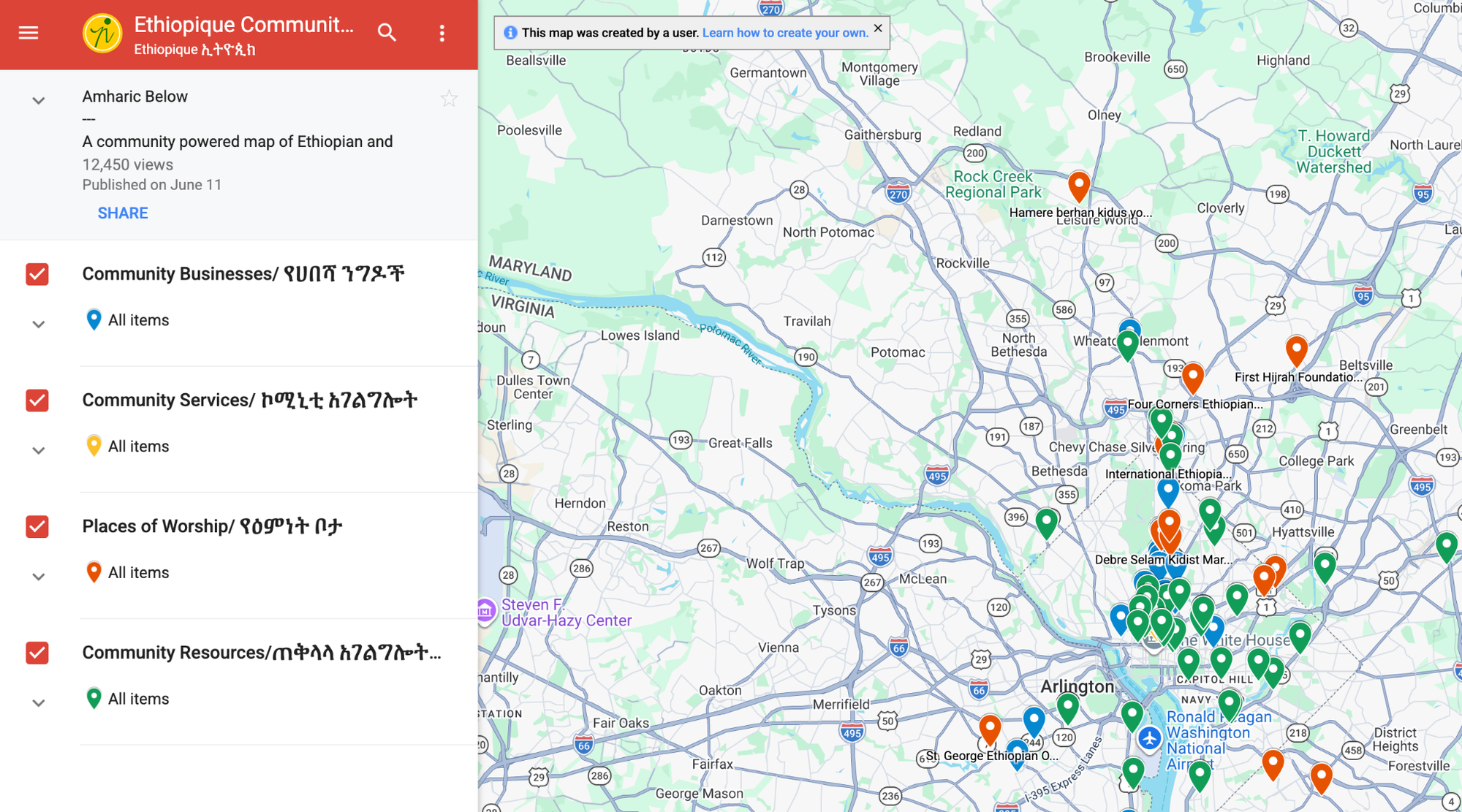
Many newsrooms shared some practical tactics to help reach more community members to hear what they wanted from their publications. George used prizes through local business partnerships to boost survey responses; Cindy hired outside help for event logistics and data synthesis because she recognized her own capacity limits. Henok ran a three-hour TikTok Live listening session and mapped out community gathering places.
 TNC
TNC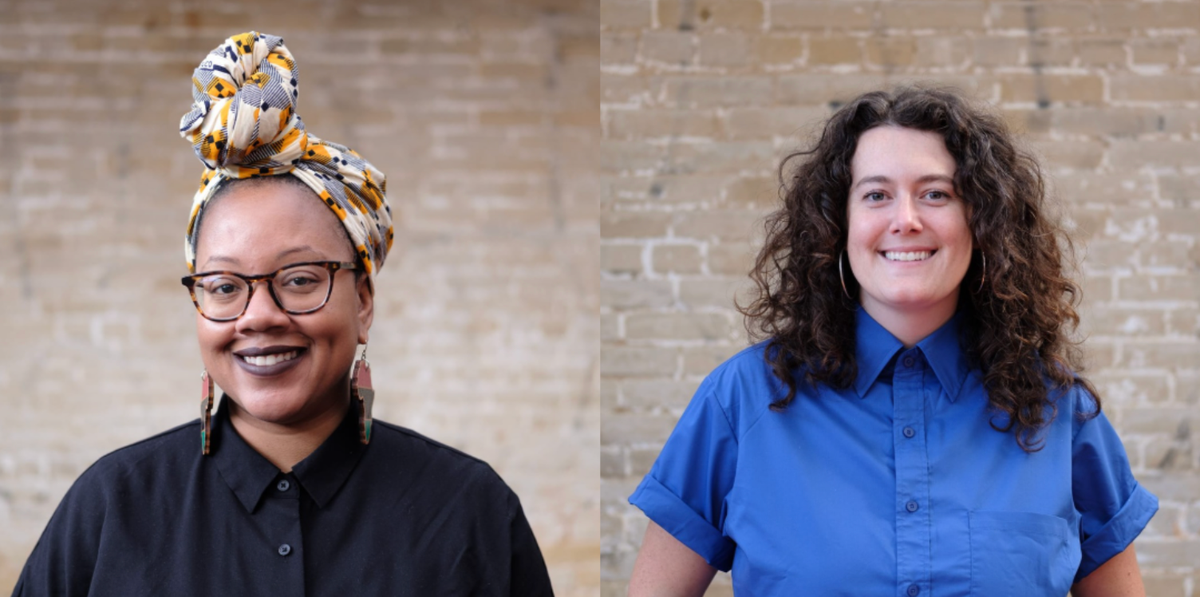
"We have started the conversation online initially by asking our readers to tell us where they like to go, including to churches or mosques or restaurants or community centers,” he said. “We have tried to identify centers where the community can rely on for information. So we mapped that out and created a custom Google Map that identifies this collectively created map, which is 100% by community contribution."
4. The information problem isn’t usually about scarcity — it’s usability, verification and access.
Many listening sessions revealed that communities aren’t necessarily starved for information. Instead, they are overwhelmed with information that’s scattered, outdated and hard to verify. Jillian Melero of Connect Puerto Rico found that people trying to find information on Puerto Rican energy issues struggled to know which sources to trust, with 27% of survey respondents citing outdated or incomplete information as a barrier. Jillian said that she would test out a searchable resource hub to bring scattered resources into one place.
 TNC
TNC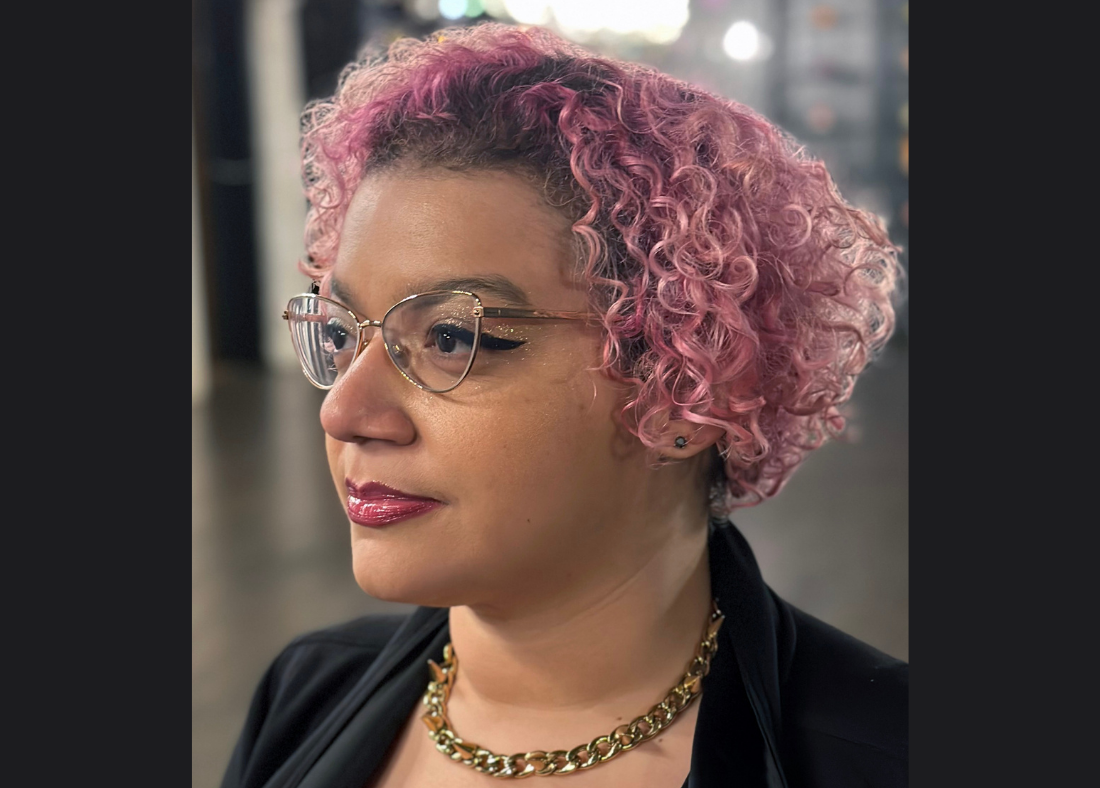
“We would like to start trying some visual explainers and virtual briefings on the latest technical and policy developments,” she said. “And developing tracking tools to help people follow funding projects and regulatory decisions over time. In this way, we can make information easier to find, easier to understand and easier to share.”
The Edge, which covers land-use issues in Berea, Kentucky, found a widespread lack of information and secrecy around land-use decisions. As a result, residents told them that they didn’t know what they could advocate for regarding developments, leaving them unable to tell their own stories or push back. The outlet’s plan is to strengthen community partnerships with land-use developers and regional groups in Kentucky before advancing their reporting further.
 TNC
TNC
Some other key do’s and don’ts that newsrooms learned:
- The 51st would not give out popsicles on a summer day when so many other competing events are happening. But they would definitely do more in-person events with residents to get more nuanced responses about their needs and important issues.
- Connect Puerto Rico would not try to do too large of a project at the beginning, hiring too many contractors. But they would break down the project into smaller, more manageable pieces.
- Black Belt News Network would not post the survey online with no other promotion, but they would ask trusted community ambassadors to share the survey with their networks sooner.
- Ethiopique learned that trust with community leaders and faith leaders began with asking how Ethiopique could help them. By first offering practical support, such as graphic design and free promotion, they built relationships that naturally opened the door for them to host listening sessions.
As Amy L. Kovac-Ashley, executive director of Tiny News, put it, listening isn’t just a bell or whistle bolted onto “real” reporting; it’s how these newsrooms operate, a practice that they intend to keep repeating as their communities change. It shows how these tiny news leaders are making a big impact while building resilient local newsrooms that grow from the ground up, one listening session at a time.
Mark Glaser is a communications consultant for Tiny News Collective, Press Forward, The Lenfest Institute and American Journalism Project. He was the founder and executive editor of MediaShift.org. He was formerly the director of business and program development for the New Mexico Local News Fund. He runs the Wind Power Media consultancy out of Santa Fe.