
🚀 The Big Blast from Tiny News, May 2026
May 29, 2026
Helping news entrepreneurs and their communities flourish everywhere
🔎 Beyond the money: The hidden assets that help community newsrooms thrive
By Amy L. Kovac-Ashley
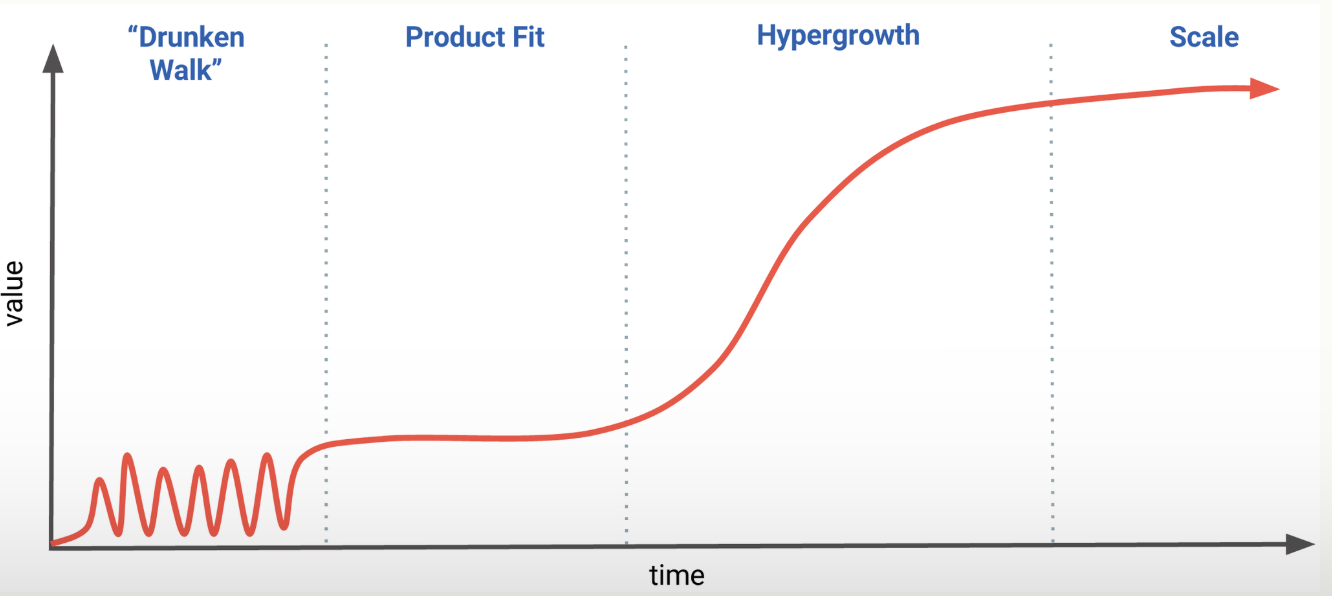
In the tech startup world, there’s a view of the initial phase of startups being like a “drunken walk,” where things go up, down and sideways. In our research around the startups in Tiny News Collective, we’ve found a similar trajectory, where these small businesses don’t travel in a straight line to success or failure.
TNC recently launched a benchmarking research project to better understand what it truly takes to build a successful community news organization. With expertise from news founder Ashley Woods Branch and support from the Patrick J. McGovern Foundation, the project focuses on early-stage, community-rooted newsrooms and aims to move beyond standard startup benchmarks. We all know that the entrepreneurial journey for news founders is messy, iterative and full of pivots, pauses and breakthroughs that conventional metrics simply don't capture.
Ashley has learned the tough lessons with the rise and fall of her own startup, Detour Detroit.
“Starting a tiny newsroom is one of the bravest things a person can do,” she said. “What I keep seeing is people doing thoughtful, real work, yet still feeling unsure about whether they are on the right path. That's because most of the benchmarks in journalism weren't built with early-stage publishers in mind, and they don't account for what founders actually bring to the table.
“This project is about crafting something different: stage-appropriate benchmarks that take those strengths seriously and help early founders tell the difference between the slowness that comes with doing things right, and the signals that something actually needs to change.”
Asset frame approach
Central to the project is a commitment to qualitative data and an "asset frame" approach, which looks at founders through the lens of their strengths and aspirations rather than their deficits. We want to push back against persistent industry stereotypes of what a news founder looks like and consider that most successful news founders bring a rich mix of overlooked assets to the table long before they raise their first dollar.
The research has already identified early success signals that go beyond revenue. Founders from non-traditional journalism backgrounds — community organizers, HR professionals, veterans — bring valuable operational skills. Equally important is the deep community trust and social credibility that only leaders with genuine roots in their communities can offer.
Indicators we’ve identified include:
- Technical capital: Operational and creative skills and strengths for building under constrained circumstances, often brought by founders from outside journalism and commonly invisible to funders
- Social capital: Long-built trust and credibility within the community being served, which legitimizes the newsroom in ways seed funding cannot buy
- Narrative capital: The ability to correct historical misrepresentation and produce journalism that makes a specific community feel seen and dignified.
The ultimate goal is to produce a set of foundational growth trajectories that help current and future news leaders understand their journey in context, distinguishing normal early-stage struggles from genuine red flags, and offering benchmarks for orientation rather than judgment. You can read more about the program in this piece from Elaine Díaz Rodríguez.
We’ll finish our first stage of the assessment, then conduct deeper interviews with founders and report our findings this summer. We’re excited about this project and how it might create a true framing for news startup success.
🗣️TNC Around Town: TNC’s Amy L. Kovac-Ashley, Erica Perel and Doug Keller will be in Pittsburgh for INN Days next month, with Amy facilitating a meetup called “No Longer a Startup,” about the transition of news startups to their next phase of development.
TNC News
Want to work with student journalists? Here’s how TNC’s start-up founders are doing it
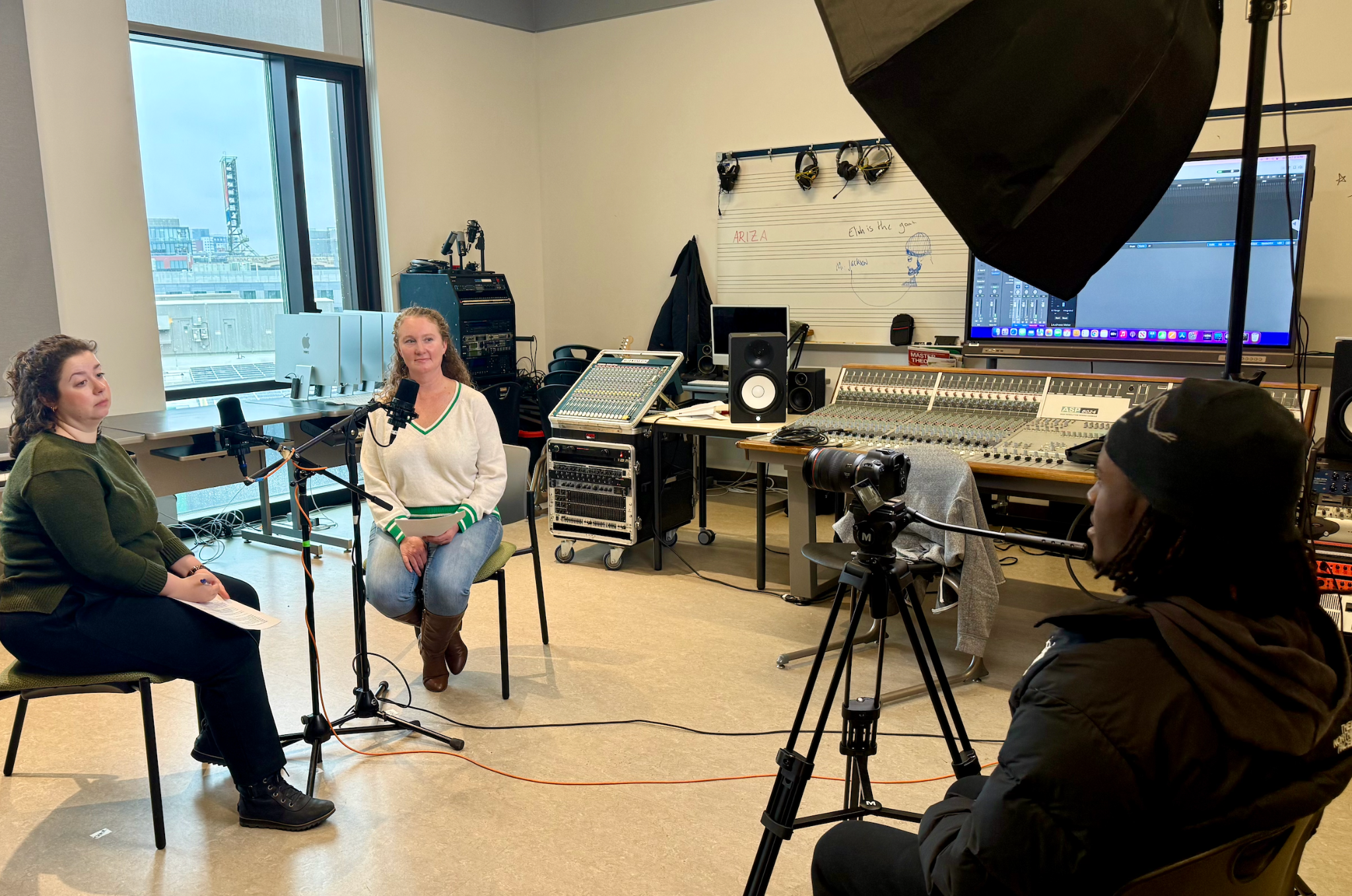
Students have gone from being nice additions to newsrooms as summer interns to becoming key players in the local news ecosystem, providing important reporting in communities that badly need them. The Center for Community News at the University of Vermont has been tracking academic-newsroom partnerships and found that nearly 3,000 student reporters produced more than 11,000 for local news outlets around the United States in the 2024-25 school year. And that’s just college students. High school students have pitched in as well.
So it’s not a big surprise that students have become integral to a growing number of Tiny News publishers around the country. Students are launching classroom media, producing podcasts, reporting stories and getting on-the-ground experience that will help them succeed — and make them great candidates for TNC newsrooms to hire. Nurturing this talent is vital to the future of local news, but it doesn’t come easily.
TNC members Scene in Boston, Black Belt News Network, Tucson Spotlight and Austin Vida work closely with students in very different ways. Learn more about their programs along with key tips for other newsrooms who are curious about collaborating with students in this in-depth story.
5 Questions with Connect Puerto Rico’s Jillian Melero
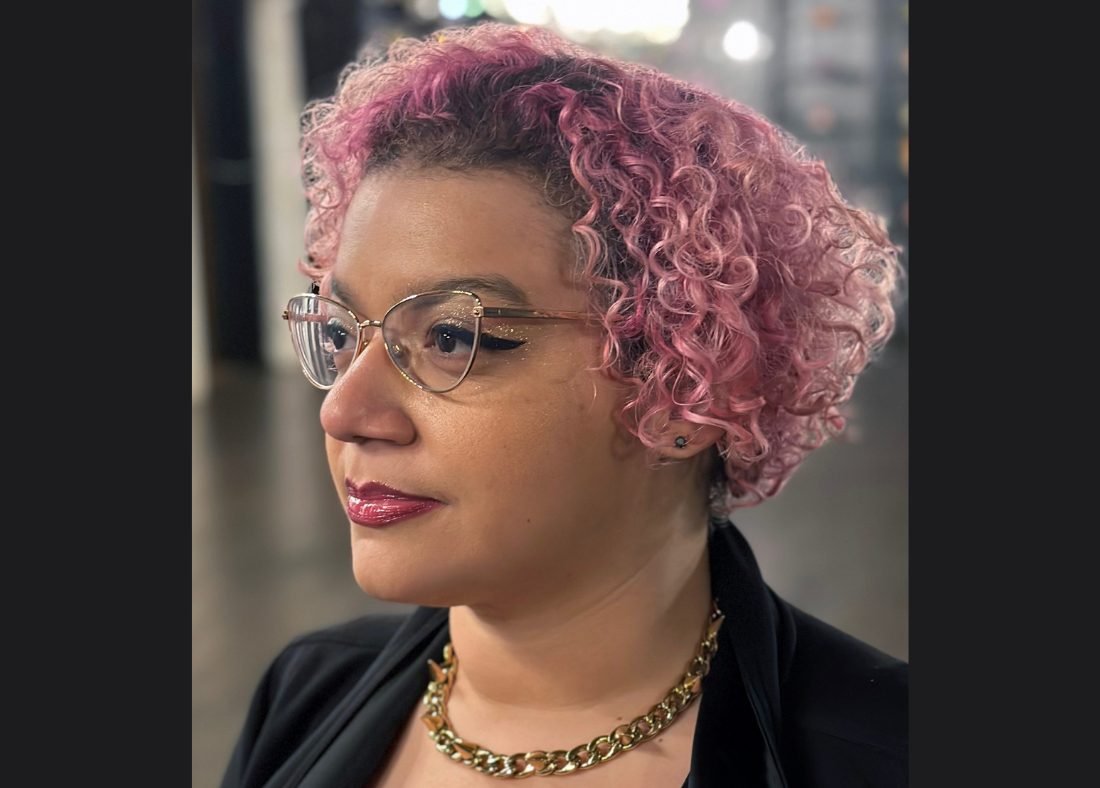
For our latest “5 Questions with…” feature, we checked in with Jillian Melero, founder of Connect Puerto Rico, a monthly newsletter covering the policies, infrastructure projects and decisions shaping renewable energy development in Puerto Rico. Through her work, Jillian connects members of the Puerto Rican diaspora and keeps them informed about energy developments on the island. She brings more than a decade of experience in journalism, reporting on climate change, immigration and LGBT communities for organizations like WTTW News and Climate Central.
“It’s all a balancing act of doing what you can do right now, laying the groundwork for what’s to come, but not thinking so far ahead that you paralyze yourself or try to do too much too quickly,” she said. “It’s about long-term sustainability, and designing for impact versus coverage and content creation alone.”
Read the whole profile here.
Join an AMA with Amy L. Kovac-Ashley to learn about Tiny News
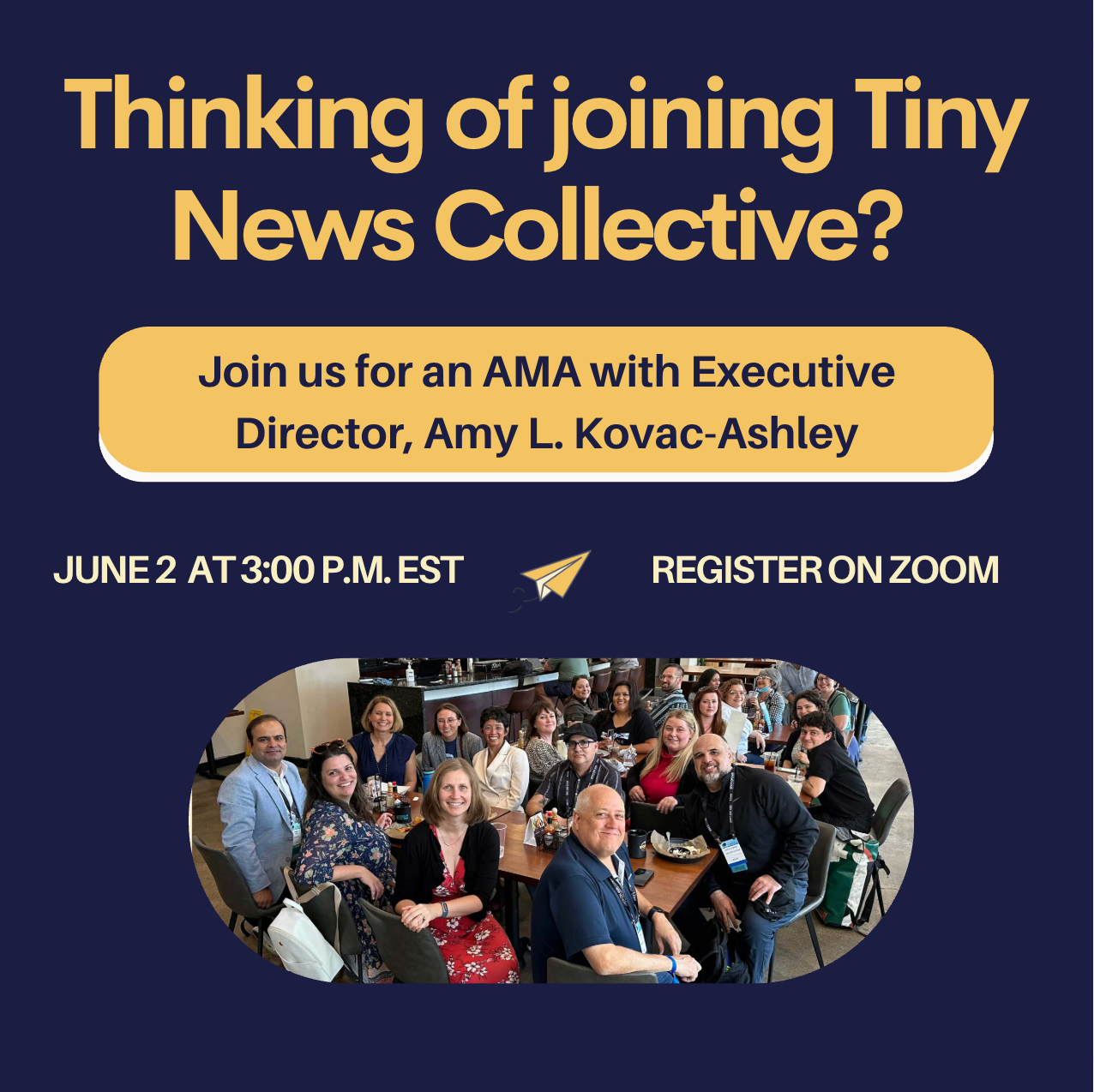
Want to learn more about Tiny News Collective? You’ll have a chance next week when our executive director Amy L. Kovac-Ashley runs an “Ask Me Anything” (AMA) session on June 2 at 3 p.m. ET. She’ll walk through what membership actually looks like, who it’s for, and how founders are using TNC to build community-rooted newsrooms. Whether you’re pre-launch, early stage, or just exploring your options, this is a chance to hear directly from our team and get honest answers. Register here!
Founder Shout-Outs
🎂 Birthdays & 🏆 Awards

We love to celebrate birthdays and awards among our members. Here are highlights from the past month:
🎂 The Latino Newsletter celebrated its second birthday, with 500 stories published and plans for a podcast launching in July, by running a fundraiser with a goal of $25,000.
🖼️ The SHOUT celebrated its second birthday by curating two exhibitions that are on view in the galleries of Wichita’s municipal art center. Each brings a slice of their coverage to life.
🎊 WBR Independent celebrated its first birthday of covering news for West Baton Rouge, La., gaining 6,000 followers on Facebook and planning to cover more news and post videos on YouTube.

A couple TNC members were honored by the Digital Innovation Awards from the Local Media Association:
🏅 Crosswinds News won 1st place for Journalism and Storytelling Innovation for coverage of Missing and Murdered Indigenous Women, Girls, Two Spirit and Transgender People, and a 3rd place finish in Community Engagement for a Listening & Learning Tour.
🏆 Mat-Su Sentinel won 2nd Place for Community Engagement for its “Flip the Script” election event.
💰 Branden Andersen of Newsberg Media was selected as a 2026 Zoom Solopreneur Honoree, with a no-strings-attached grant of $30,000.
🗳️ Claudia Amaro of Planeta Venus is a finalist for LION Community Member of the Year, along with TNC board member Garry Pierre-Pierre and four other finalists. Vote by May 29 (if you are a LION member)!
🏵️ Leo Aquino of the Queer and Trans Wealth newsletter was nominated for the 2025 Queer Beat Award for excellence in LGBTQ+ reporting by the NLGJA Los Angeles Chapter. Leo did not win but was honored to be nominated.
✨Landmark moments

💖 Parlor Magazine is producing its first webinar on June 3 at 6 p.m. ET (see flyer above) with guest Sophie Lewis, author of “Femmephilia,” for a conversation about care utopias and queer kinship.
🎙️ Scene in Boston wrapped up Season One of its podcast about the theater scene, with a partnership with an arts high school. One student said, “When we started I didn't think I had the skills to do this. But all together each of us knows something, and so we could all do it together.”
👛 Stumptown Savings released two important new projects: 1) a “member vault” with tools, maps and guides exclusively for members; and 2) a Costco membership calculator that lets people learn whether it’s worth the money to join Costco.
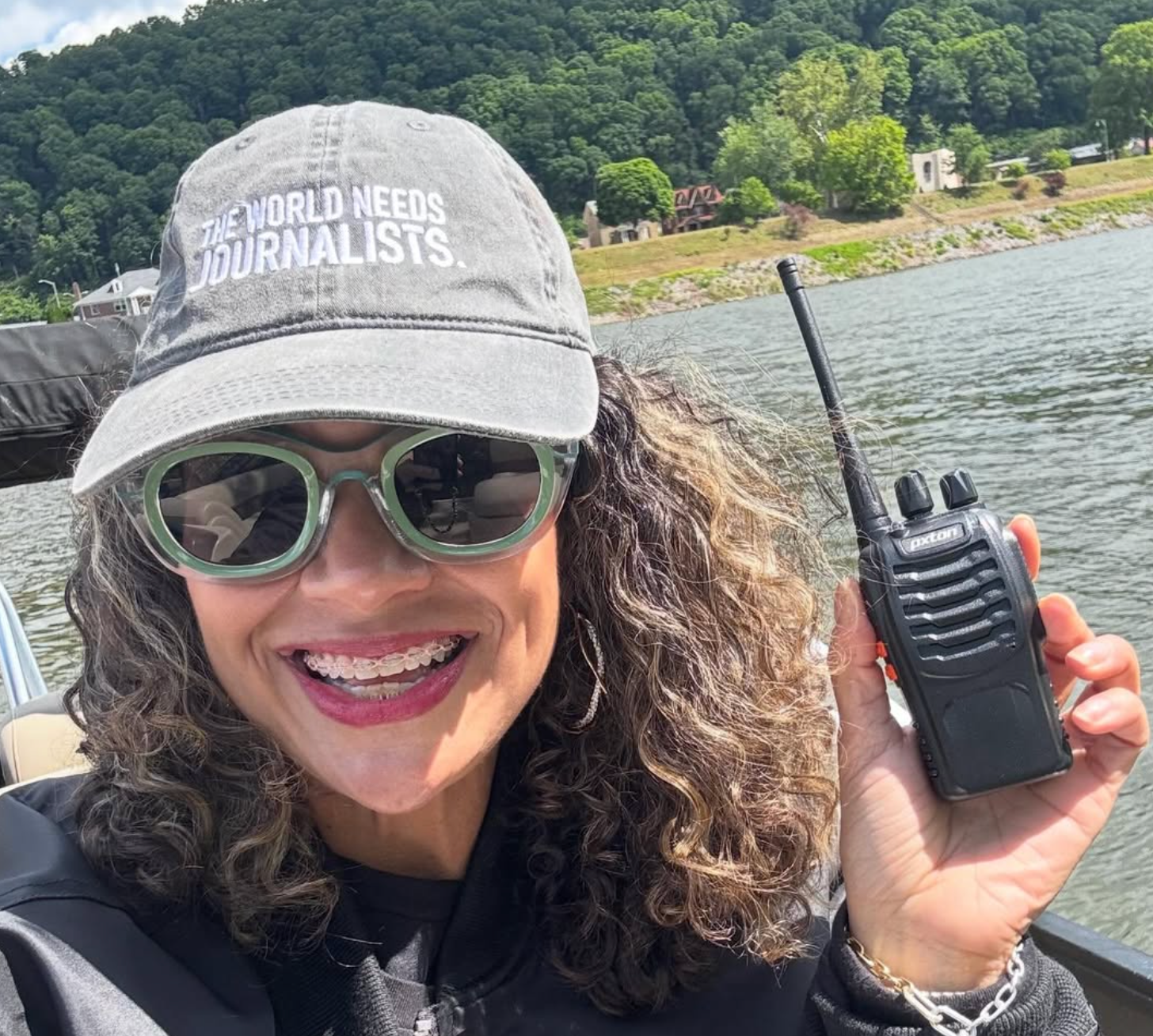
Black by God | The West Virginian and Crystal Good (pictured above) raised nearly half its $100,000 goal during a 24-hour live-streaming fundraiser.
🪦 COYOTE Media launched new pet obituaries called “The Rainbow Bay Bridge,” which cost $5+ for non-members and free for paying members.
🏛️ Barrenside produced its first ever election forum for Barren County, Ky., with candidates discussing key issues with 100 people in attendance.
🗣️ Speaking up and speaking out
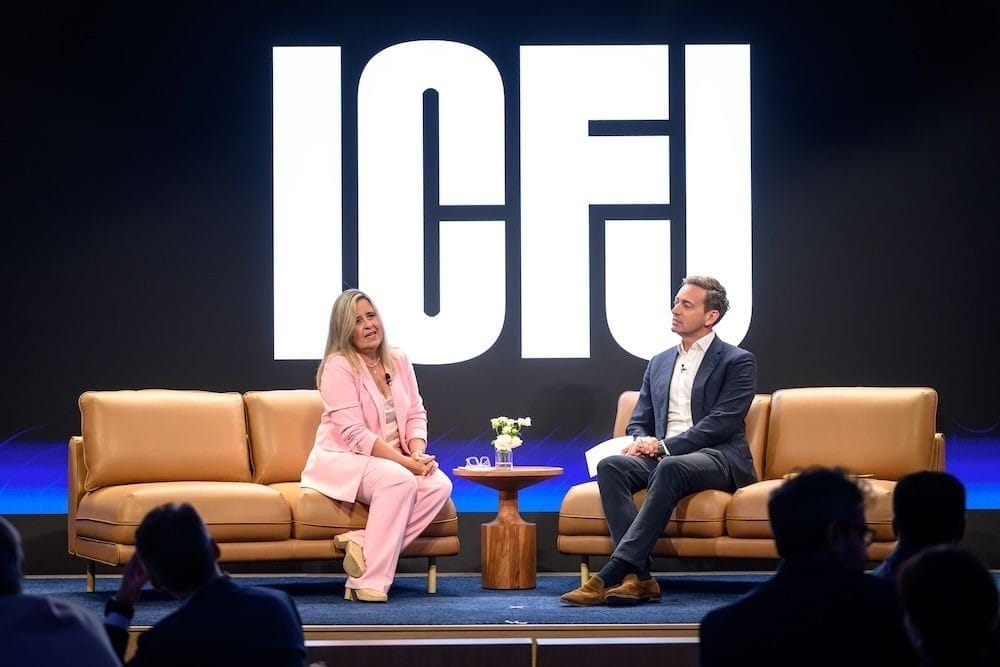
🎤 Laura Weffer of Esta es la Cosa took part in a conversation about reporting on Venezuela with David Merritt (pictured above), the head of media editorial at Bloomberg, at an International Center for Journalists event in New York.
🥫Annemarie Dooling of The Platia was a guest on the Canned podcast, discussing how she was fired from a job as VP of audience growth at a media company.
🤑 Emma Silvers of COYOTE Media was a featured guest on KQED’s The Bay podcast discussing the controversial Civic Joy Fund in the Bay Area.
Stories with impact 💥

📹 Harvey World Herald published the first part in a 3-part series looking at democracy in the south suburbs, supported by the Field Foundation of Illinois and Illinois Department of Family Services. The first story covers the rise of civic content creators (pictured above).
🌿 Mendo Local covered the recent Mendocino County (Calif.) Board of Supervisors meeting, where they approved a plan to restructure the county’s cannabis tax system, voting to write off millions of dollars in delinquent debt.
👥 Annemarie Dooling in The Platia provides context and the numbers behind Philadelphia’s shelter system and shares ways that people can help their neighbors who are without housing.
Resources
Emergency Mode for News Scholarships+
The program is designed to support newsrooms with emergency plans. They are open to a variety of uses for each $1,000 stipend distributed based on your needs and operational context; whether that be training, supplies, attending an event, or supporting an existing initiative related to emergency planning or operational resilience. Apply by June 1.
Knight-Risser Prize for Western Environmental Journalism
Up to $10,000 is available to support an enterprise or investigative environmental story set in the western United States, which is defined as all states west of the Mississippi River, including Hawaii and Alaska. Local or regional stories are welcome as are proposals that span multiple formats, such as text, audio, video, and photography. Apply by June 2.
Walking the news: Building walking tours to engage audiences and generate revenue
Drawing on her experience launching tours for Future Tides, supplemented by research conducted during her RJI Fellowship, TNC member Cara Kuhlman will discuss her “tours-as-journalism” model, showing how walking tours can function as storytelling platforms, engagement tools, and revenue streams. She will also explore practical guidance for designing and piloting a tour in your community. Takes place June 11 at 2 p.m. ET.
Richart J. Margolis Award
The award is designed to help developing journalists make progress on non-fiction writing projects that reflect important social values. The selection committee judges applications on the quality of the writing samples and the relevance and potential impact of the proposed project. Submitted samples should all be non-fiction pieces that give a clear indication of the applicant's ability to write well and apply journalistic skills effectively. Apply by July 1.
Shackelford Shines Stipend
Up to 10 stipends each year to support individuals in the journalism community. These stipends are aimed at helping professionals attend events and programs to enhance their skills as innovative editors, reporters, technologists or similar roles. Applications accepted on a rolling basis.
Thanks for reading the latest edition of the Big Blast from Tiny News. Be sure to follow us on social media to keep up with the latest from TNC and our amazing group of founders!
Follow us on LinkedIn.
Follow us on Bluesky.
The Big Blast Credits
Written by Amy L. Kovac-Ashley, with Mark Glaser
Edited by Amy L. Kovac-Ashley