
By Mark Glaser
How would you like to be known as the person responsible for the “Christmas miracle” of saving two community newspapers in Washington state right before they closed? And then finding out that they depend on aging tech infrastructure? Or maybe you wanted to preserve the archives and history of a community newspaper in Alaska but need to figure out which laid-off employees you can hire back? Those are the roller-coaster stories of two TNC members, Kari Mar of La Conner Community News in Washington and Amy Bushatz of the Mat-Su Sentinel in Alaska, who each acquired print newspapers this year.
The two women entrepreneurs, who launched their own ventures in the past couple years, might not fit the typical profile of a newspaper buyer, but their business preparation and dedication to their communities make them exemplars among TNC members. For instance, Kari set up a for-profit business alongside her nonprofit to prepare to take on more publications; Amy had the right advisers on board to make the purchase successful.
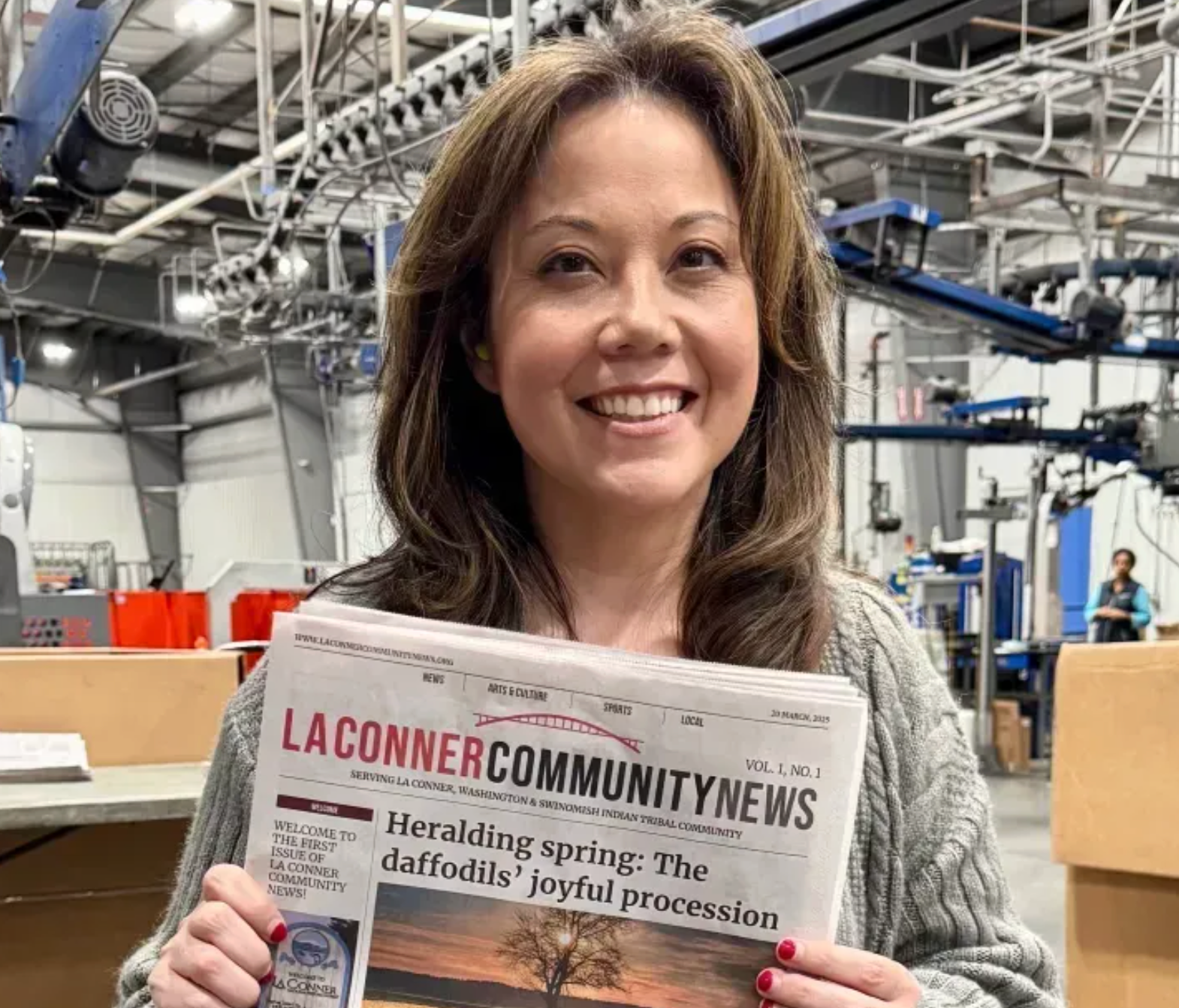
Kari had only launched La Conner Community News less than a year before the two newspapers — and three magazines — were donated to her nonprofit this past January, after less than a month of negotiations. She knew the communities well and had covered them as a reporter back in 2000, so she didn’t want to see them shutter. But the high of the “Christmas miracle” was soon brought down to Earth when she found out that the papers depended on an aging computer server on-site rather than cloud computing like most modern publications.
“With this deal, the media company got the write-off for the donation of the papers, and we get two income streams that were breaking even,” she said. “But the newspapers are being run on old computer systems, and that works fine until they stop working. My biggest business threat is a 20-year-old server that we rely on for ad serving and a very complicated network of almost aged-out computers that I've been replacing one by one.”
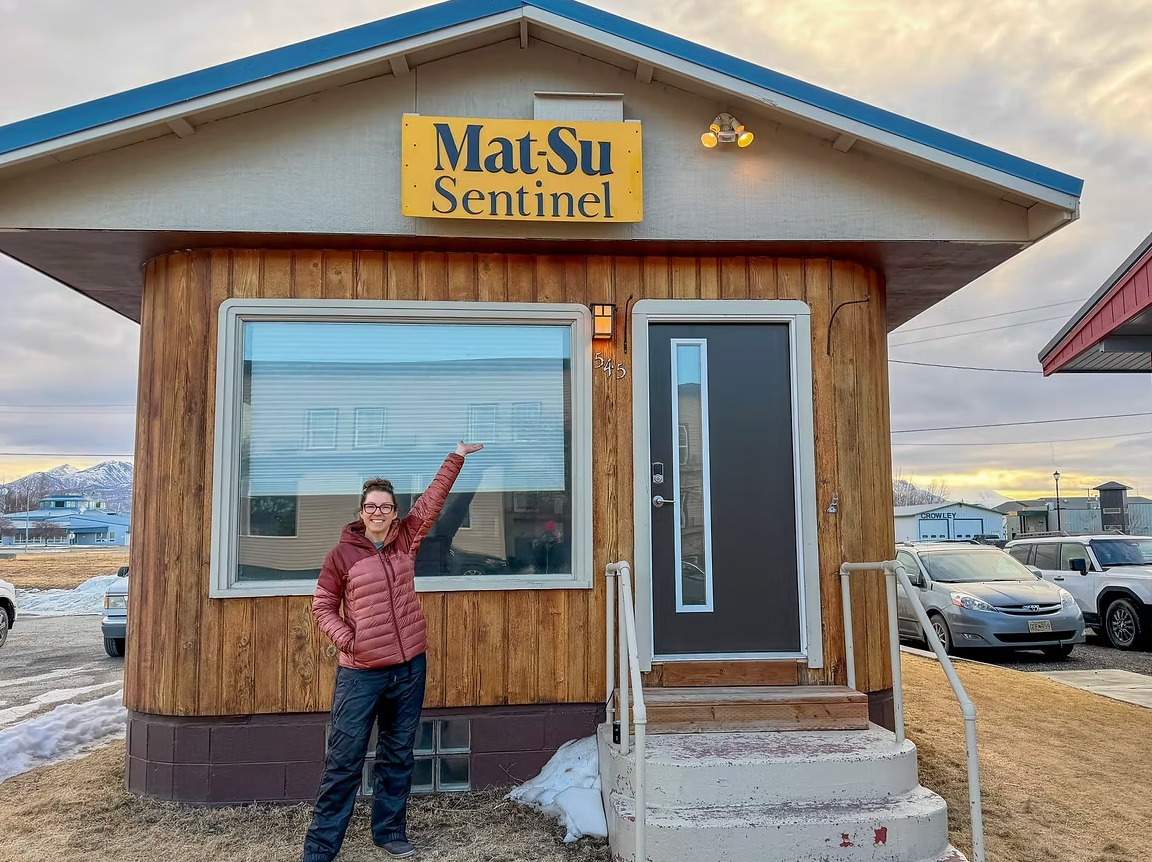
Meanwhile in Alaska, Amy was seeing the steady decline of the Frontiersman newspaper where she had freelanced in the past. Rather than compete directly with the paper, the Sentinel instead covered topics that were neglected by the Frontiersman, including about local government. When she saw that the corporate owner of the paper, Arizona-based Wick Communications, put the paper up for sale in January 2025, she saw an opportunity to buy it to create an even stronger local news source while preserving its archives and history.
Over the past year and a half, Wick couldn’t find another buyer, and Amy did her research on acquiring a newspaper. She recently stepped up to buy its assets, including its digital and paper archives, along with its subscriber and advertiser lists. She knew the staff wasn't a part of the deal, so she's working to hire some of them back so the Sentinel can expand its coverage.
 TNC
TNC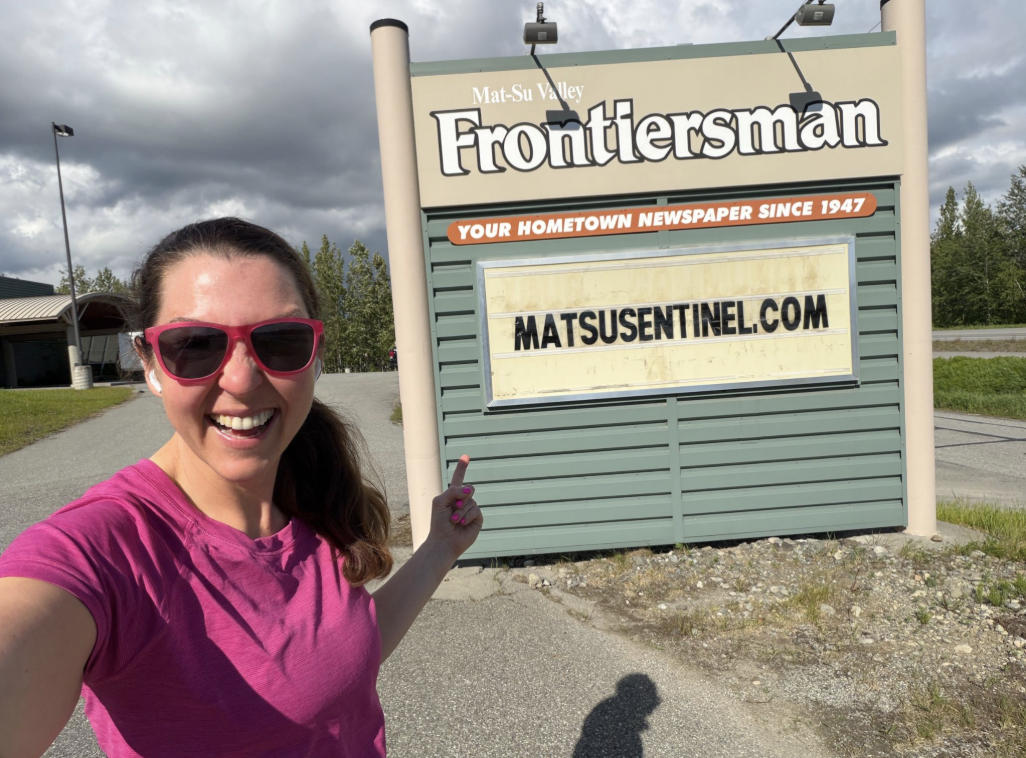
Learn more about Amy's journey from founder to founder plus local community newspaper owner.
“This is an 80-year-old paper that people really care about,” Amy said. “They care about the archive that they have. There are six cartons of photo negatives — we’re talking about the history of where we live. It’s a big deal and people really care about it. The paper in print is closing and sold, but I hope to continue that legacy and prove we can create something that local news does best, which is civic education and connecting the community.”
So you want to be a newspaper tycoon
As more community newspapers falter, stung by digital disruption and changing business models, more entrepreneurs will consider the option of acquiring them. Should they? Here are some key lessons learned by Kari and Amy in acquiring print newspapers.
1. Don’t buy a newspaper until your own organization is on solid financial ground
Amy repeatedly warned that acquiring a newspaper means inheriting an organization's existing problems. She was willing to pursue the purchase only because her publication, the Sentinel, already had a functioning business model and audience. If her operation wasn’t already stable, the acquisition could have compounded her problems. As she put it, she wasn’t buying a thriving business, but more like a “fixer-upper house.”
“First you have to get your own house in order,” Amy said. “Make yourself sustainable and figure out how you’re going to do that.” She also found a national funder to cover the cost of the sale, which meant her business wouldn’t go into debt. The goal is to make sure that the acquired property is additive and not taking away from the momentum of your primary business.
2. Do your due diligence on all aspects of the business, including technology and people
Kari mentioned that legacy papers can appear stable on the surface — even with decent financials — but there can be serious vulnerabilities below the surface. Before buying a paper, buyers need to investigate infrastructure, workflows, staffing and tech dependencies. She found out that staff cuts had led to people doing more work than they should, leading to burnout.
 TNC
TNC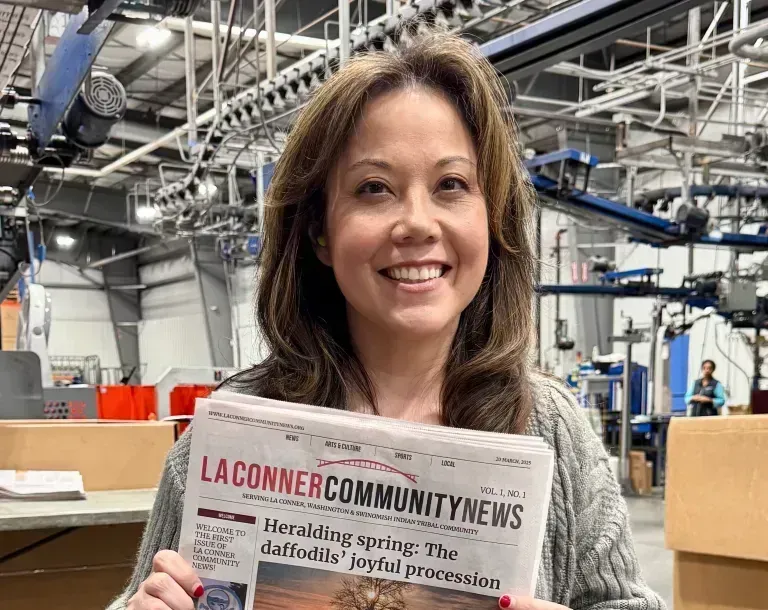
"What are the hidden risk areas?” she said. “Do I have an editor who's exhausted because she writes, edits and uploads to the website and does all the social media scheduling? Do I have a person who has a brave face because she's committed to the industry, but is exhausted? And I think the answer is almost every publication has at least one person who's exhausted like that."
3. Make sure your team has the expertise and experience to acquire a paper
Amy admitted she knew very little about newspaper acquisitions before entering the process. But she was able to find experienced advisers to help her, including a board member who was an acquisition attorney as well as a broker who had worked on many newspaper buyouts. Her funder was not just interested in saving a newspaper but wanted to make sure it was a sustainable buyout with a positive business outcome for the Sentinel — and the community.
"Thank the dear lord above I have a corporate attorney who specializes in acquisitions on my board of directors,” Amy said. “He did a lot of work on this and saved us a lot of money. He wrote the asset purchase agreement, oversaw the whole process and made sure that we were protected, and oversaw the legalities of it. And if I didn't have a broker helping me with this, I don't think I could have done it.”
4. Community support ultimately decides whether a local paper will continue
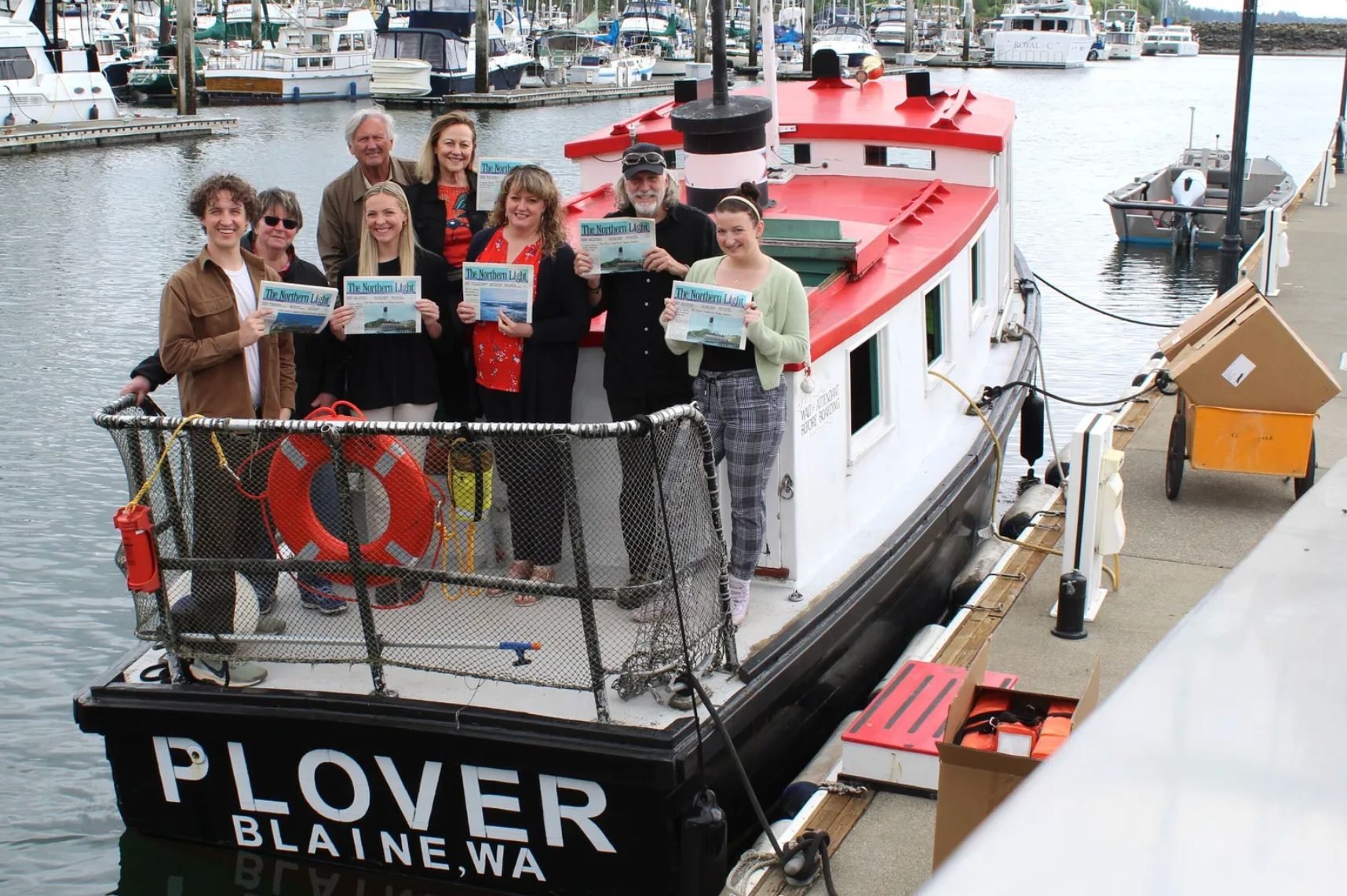
Kari realized that the only way she could fund reporting in each town with a newspaper was to have financial support from the community. The two newspapers she acquired, The Northern Light in Blaine and All Point Bulletin in Point Roberts, Washington, were distributed for free and supported entirely on advertising. She has been hosting community listening sessions in each town to gauge their interest in supporting a print paper through subscriptions, donations or memberships. She believes the people of Point Roberts will want to fundraise to keep All Point Bulletin going, but she might have to shift The Northern Light to online-only or put up a subscription wall.
“We are the only paper that's focused just on Blaine and its outlying neighborhoods, and we deliver it for free through the mail for everybody,” Kari said. “And just the fact that that's so democratic is really special, and my hope is that the people in Blaine will choose to continue that. But we don’t want to push a newspaper on a community that doesn’t want one.”
 TNC
TNC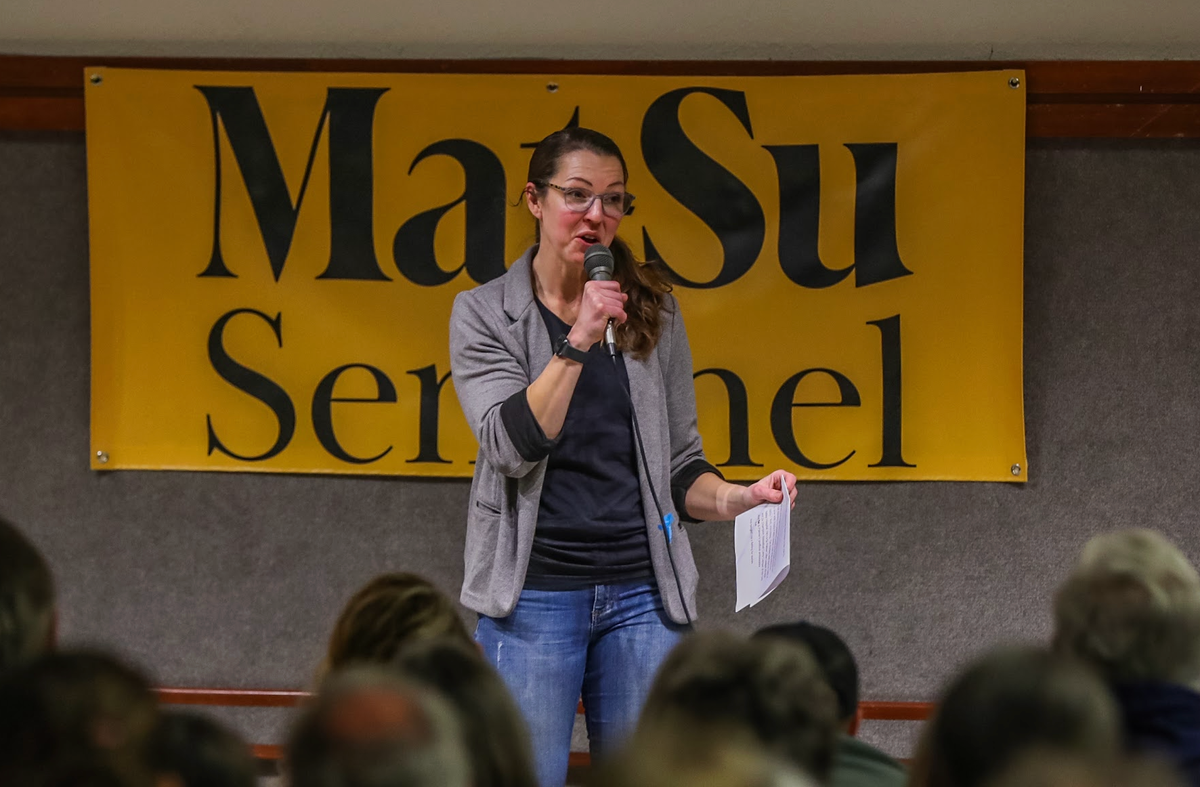
For both Kari and Amy, acquiring newspapers was about preserving local journalism and community institutions that might otherwise disappear. Their experiences show that buying a newspaper can offer a lifeline for local news, but only when buyers enter with realistic expectations, sustainable business plans and the right expertise. A newspaper acquisition may bring subscribers, archives, advertisers and community goodwill, but it can also come with aging technology, operational challenges and financial risks.
As more local newspapers face uncertain futures, the question may not be whether a publisher can buy a paper, but whether they have the resources, support and patience to make it stronger than it was before.
Mark Glaser is a communications consultant for Tiny News Collective, Press Forward, The Lenfest Institute and American Journalism Project. He was the founder and executive editor of MediaShift.org. He was formerly the director of business and program development for the New Mexico Local News Fund. He runs the Wind Power Media consultancy out of Santa Fe.