

How TNC’s Response and Resilience program supports founders with safety, legal and mental health support
Nov 7, 2026
By Massarah Mikati
When the Tiny News Collective launched its Response and Resilience Program, the idea was simple and urgent. Many of our members are one- or two-person newsrooms, led largely by BIPOC and immigrant founders, who cover their communities without a team of legal counsel, HR or mental health providers behind them. As threats to press freedom, personal safety and well-being escalate, those founders are not only disproportionately affected but also often left to handle the fallout alone. The R&R Program offers concrete help with digital security, legal questions, mental health and operational stability. We’re grateful to Democracy Fund and the John D. and Catherine T. MacArthur Foundation, whose support makes this work possible.
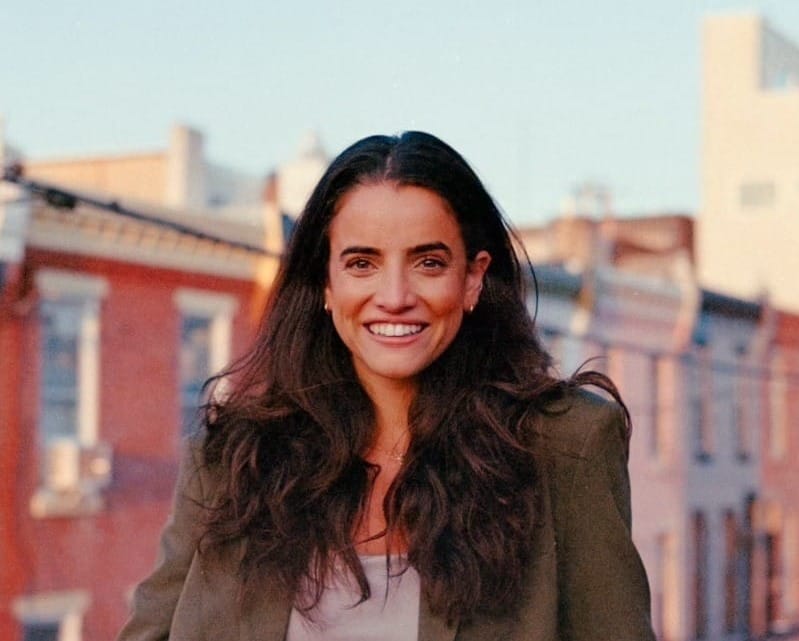
This work is personal for me. In each newsroom I’ve worked in, I’ve covered some version of communities of color or immigration, trying to add nuance and texture to stories that mainstream coverage too often flattens. I loved that work deeply, and I also know its costs: I’ve experienced doxxing, online harassment and email and phone campaigns from people unhappy with how I’ve framed stories.
That’s why, when I joined TNC as the first manager for this program, the role felt less like a job description than a calling. I know firsthand what it’s like to take on those risks, and I wanted to help others do the same important work with more support behind them.
A key aspect of the program is that we are taking a case management approach to this work. That usually starts with either identifying high-risk members or responding to members facing urgent situations, and proceeding with one-on-one intake calls to assess circumstances, needs and solutions. We rely on deep listening when we speak with our members individually, then move to action — either coordinating internally to ideate potential next steps or coordinating externally with other journalism support organizations with specialized expertise. When external support is deemed necessary, we make sure to refer our members to other JSOs with warm introductions to ensure they don’t get lost in the shuffle. And when that connection isn’t quite enough, TNC has been able to provide direct monetary support to meet member needs.
Where we’re making progress
After about six months, here’s our progress with the program:
- More than a dozen newsrooms have been supported since the program began.
- Safety help for founders covering immigration enforcement. Members in places with ICE deployments were connected to resources on physical safety and legal rights while covering protests. Plus, we facilitated practical solutions like using a registered agent instead of a home address for their LLC.
- Guiding members through available support. I’ve created guides for members to help them navigate the web of journalism support organizations and tools out there for issues like digital safety, online presence and legal services.
- Mental health support and funding. I connected immigrant-focused and queer-focused outlets with organizations offering mental health care for founders and their teams, as well as funding to support their care.
- A growing network of journalism support organizations. We’ve built partnerships with key groups such as Lawyers for Reporters, the Committee to Protect Journalists, PEN America, Vita Activa and the International Women’s Media Foundation. Their digital safety, legal and mental health resources have been invaluable.
 TNC
A big part of my job is mapping that landscape. The ecosystem of support for journalists is generous but can be overwhelming, and some organizations seem to do the same thing. A founder facing harassment needs a different door than one worried about their online presence. I try to make sure members walk through the right door the first time.
I do this work the way I did my reporting: I’m not entitled to anyone’s story. Members share sensitive, deeply personal things with us, so I keep intake simple, collect only what’s needed to follow up, and protect that information carefully. I’m also honest about what I can’t do. We can’t solve every problem, and I’d rather say so than make promises I can’t keep.
Looking ahead, I’m focused on three things: The first is fully building out our network of journalism support organizations so every member can find help quickly. The second is providing more support for immigrant journalists, identifying common challenges and available resources to members. We’ve begun exploring this major next step with partners. The third is onboarding members to DeleteMe services, to help protect their privacy online. This service is free to members thanks to our grant funding.
Our founders spend so much energy serving their communities that they forget to look after themselves, and my goal is to make doing both a little easier.