
Tiny News Collective exists to support early-stage news entrepreneurs all across the United States who are raising their hands to provide community-focused news and information and places for community connection. We are who we are because of the founders we serve. And we want the journalism field, the civic information space and beyond to know about the creative, impactful work of these founders. To that end, we are thrilled to highlight their stories through an ongoing series of profiles and features.
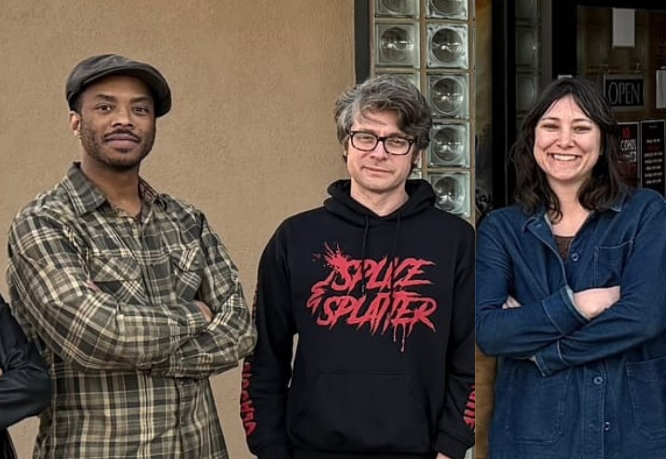
For our latest feature, we checked in with Katy Gross, Warren Langford and Jerome Morrison of 505omatic. An independent collective of journalists, 505omatic works to bring engaging and accessible coverage to Santa Fe, New Mexico, that just celebrated its first birthday. Launched after the 2024 election, 505omatic publishes news stories via social media, where some of their videos have gone viral for their informative but slightly comedic nature. Katy, Warren and Jerome discussed their community-rooted engagement strategy, the importance of in-person events and their goals for 2026.
1. What’s the origin story of 505omatic?
Katy: Warren and I got together right after the 2024 presidential election. We started talking about this idea of not really seeing local journalism and news in our social media feeds, and started talking about what that could look like, making little TikTok videos and focusing on issues that affect our community. We really had this sense of people are on their phones, and we're getting a lot of national news that's pretty depressing and awful. So what if we use that format to share local stories and make people feel like there's something that they can do and be involved with?
We pretty much just jumped on a story that was about a local art collective called Meow Wolf, and how they were about to lay off some employees. It just kind of blew up, to date it's got over 300,000 views. That lit a fire within us.
We started meeting with Jerome and some other people and really figuring out: Can we make this more of a worker collective journalism group, a grassroots journalism group focusing on the people in our community that maybe don't have a lot of power? Accessibility is really big for us.
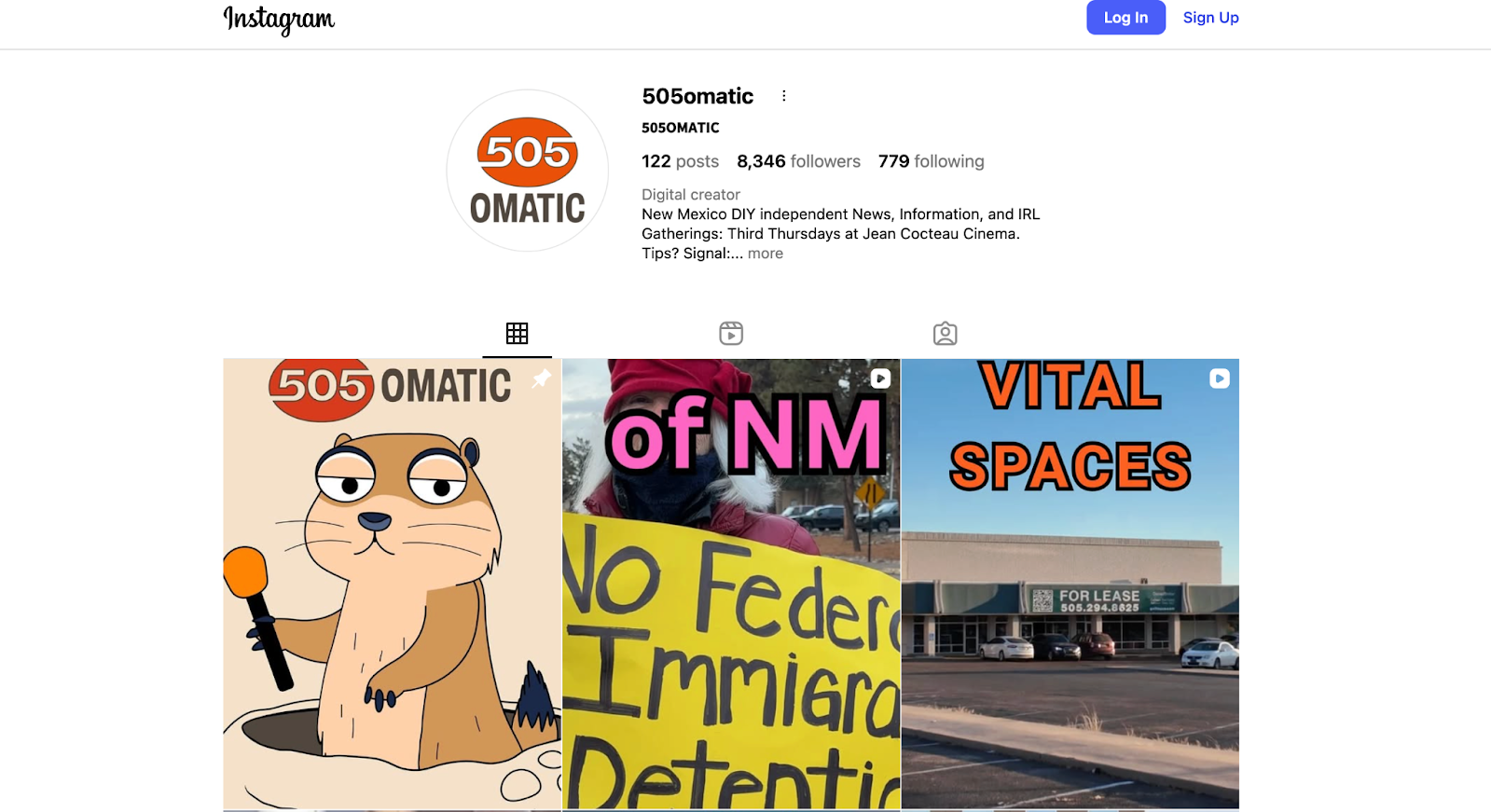
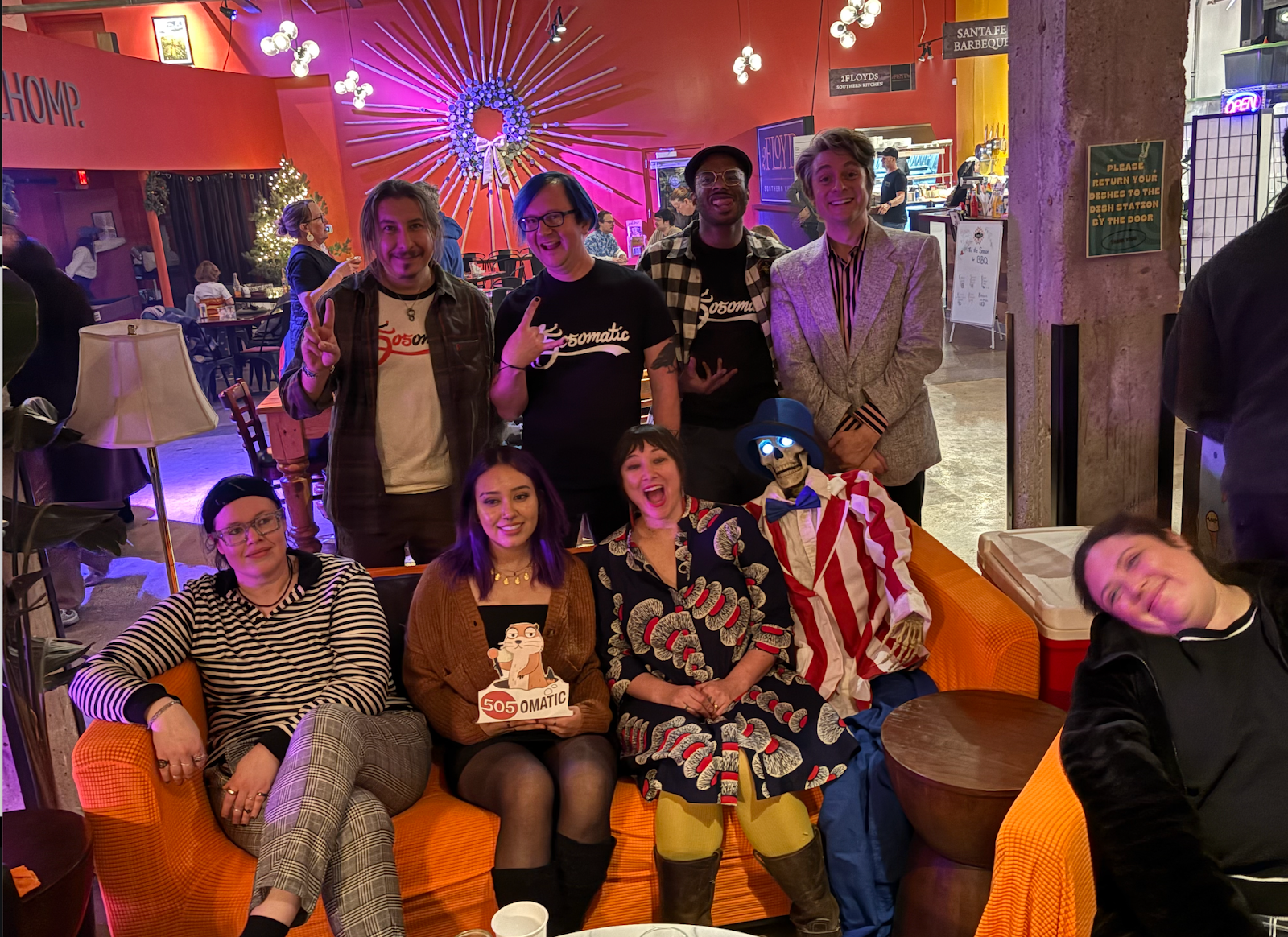
We launched in December of 2024. Ever since then, we've been trying to put out at least once a week a story, a short video, and then things have just evolved. We started talking about how we can also encourage people to get off their phones and meet in person. So in March of 2025, we launched a monthly live event series with a local movie theater here called Jean Cocteau. We call it the living room.
Jerome: What's been important to me is how to establish your organization in a way from the beginning that you all can grow safely, you can grow sustainably, democratically. So we've taken a lot of pages from the United States Federation of Worker Cooperatives and went through a lot of their tools and exercises for figuring out our own governance, what it is to be a member of 505, and ways that people in this startup can gain equity in it.
 TNC
TNC
2. Is there a particular moment when you feel you made an impact on your community with a video or feature?
Warren: That first story, as far as I can tell. New Mexico has had some big stories that have gone national, but they've all involved a celebrity, like Alec Baldwin or Gene Hackman, in recent years. But as far as I can tell, that Meow Wolf story reached farther and got more engagement than any local news story out of New Mexico in, I think, years.
Jerome: One of the first stories Warren did was about the name of a road being mispronounced on Apple Maps. There's a road in town called Cerillos, but Apple Maps would call it Saralos. Warren created a video talking about it because we thought that, at some point, you can get Apple Maps to retrain by getting enough people to say the name of the road properly.
Long story short, that video went out. Someone in a local magazine saw it and did an article about 505omatic. Then we think that video got seen by people at Apple, because they changed the way that Apple Maps says the name of the road. I think that's really important, because language is how culture is gained and lost. That’s a very symbolic win for us; it's like a way of helping to capture and preserve the culture of the city and of the state. It's something that we, I was really proud of. That little win is a big difference.
3. How have you connected your digital and social media presence with your in-person monthly events?
Warren: A lot of times, the in-person, monthly events are about stories that we've been tracking and that sometimes we've made a couple of videos about. At one point, it occurs to us, this is bigger — this is something that needs to be a conversation with the community.
For example, event organizers held poster contests where community members could submit their work to win a prize. Some people were submitting designs using AI. Even the Balloon Fiesta, our biggest event in the state, chose a poster that was made by AI. So that led to our big AI discussion at the beginning of the summer last year. We talked to a journalist from another local magazine, Southwest Contemporary, that is very in-depth on Southwestern art, and a professor whose specialty is AI over at the Santa Fe Institute. We brought them together to talk and unpack the impacts of this.
Katy: Sometimes we've been making videos, and we realize, oh, this needs to be a live conversation. Last summer, we did the opposite thing; we did a forum, one of our living rooms, about immigration and ICE last spring. Now we're working on a video that's about our ICE detention center, again, tied to the legislature. Trying to time things and tie them into when there's an actionable item, you know that can happen, but also just what's in the zeitgeist right now.
Warren: It's just really important for the community to feel like there's a place to go to talk through some of these outrageous decisions or any of these major problems that we're facing. I think since we've started, we've actually seen more people and the city government try to pick up on that and have more of these open forums.
We need to bring back actually talking to each other in person, because it is so important and cathartic and diffusing. So many of these topics, when they get talked about online, it just gets more and more polarized. But when you're face-to-face with someone, you're not going to use the kind of language that you use online. You kind of see the humanity in each other.
4. What’s your business model, and how are you bringing in revenue?
Jerome: Through subscriptions, fundraising and contract work that we're trying to find with other organizations that have missions that we align with and believe in. We're in the process now of looking for some big money donors as well. We are currently a for-profit LLC, with fiscal sponsorship from Tiny News Collective, so we are able to take in grants and tax-deductible donations. It is on our roadmap, in the future, once we have ourselves a little bit more established, business things set up, to figure out what a nonprofit arm of this looks like.
We're developing contracts to do some production for different causes as well. For example, right now we have stories with New Energy Economy, a local nonprofit in town that is a law firm that's all about the environment, so we have some skits that we wrote for them.
We haven't paid ourselves yet. We've just been collecting money and putting it into the bank. We're in a position now that we can pay ourselves for work that we did last year and have a model for paying ourselves and paying contributors for stories that will go out on our socials. So we're developing that model to be able to pay for the work that we have coming in as well.
5. What’s your vision for 505omatic in 2026, and what it might become over time?
Jerome: Katy is going to be doing more workshops through the public library, working with youth, and even creating workshops on our workflow of how to shoot, get a story, shoot a tiny video, the tools that we use to edit, and the tools that we use to get the things out on social media. We want to teach more people how to do that.
My goals are things like getting a payment system set up for folks and all the things you got to do on business, taxes and all of that. I also want to get better at our live streaming game. I think that there's a lot more that we can do to gain an audience and have more impact there.
Part of growing audience, too, is trying to get the attention and more engagement from people to the right of 505omatic. For example, one of our collective members is more engaged in rural areas. That's actually what a majority of our Santa Fe and surrounding counties are, very rural. So how do we also make sure we're meeting those people too, where they are, and trying to find ways to include those voices in ways that don't undermine our mission?
Warren: We're gonna have a book club. Get some print edition stuff. Get our Albuquerque bureau in full swing. Santa Fe is a small town; it's kind of basically lumped in with Albuquerque, but we haven't done any real Albuquerque stories, which is our biggest metropolitan area in New Mexico. We really want to make sure we're serving the entire area code. That's what the 505 in our name is.
We just want to be able to pay ourselves and make the case to the community that subscribing to us is healthy for you. It's healthy for your mental state to get this kind of engagement and to have these stories where you know what's happening to the people around you and how you can help people in your neighborhood.
Katy: Community-powered, community supported. Those are our goals, not to be reliant on the wealthiest people to fund us.
 TNC
TNC
 TNC
TNC
 TNC
TNC
 TNC
TNC
 TNC
TNC
 TNC
TNC
 TNC
TNC
 TNC
TNC
 TNC
TNC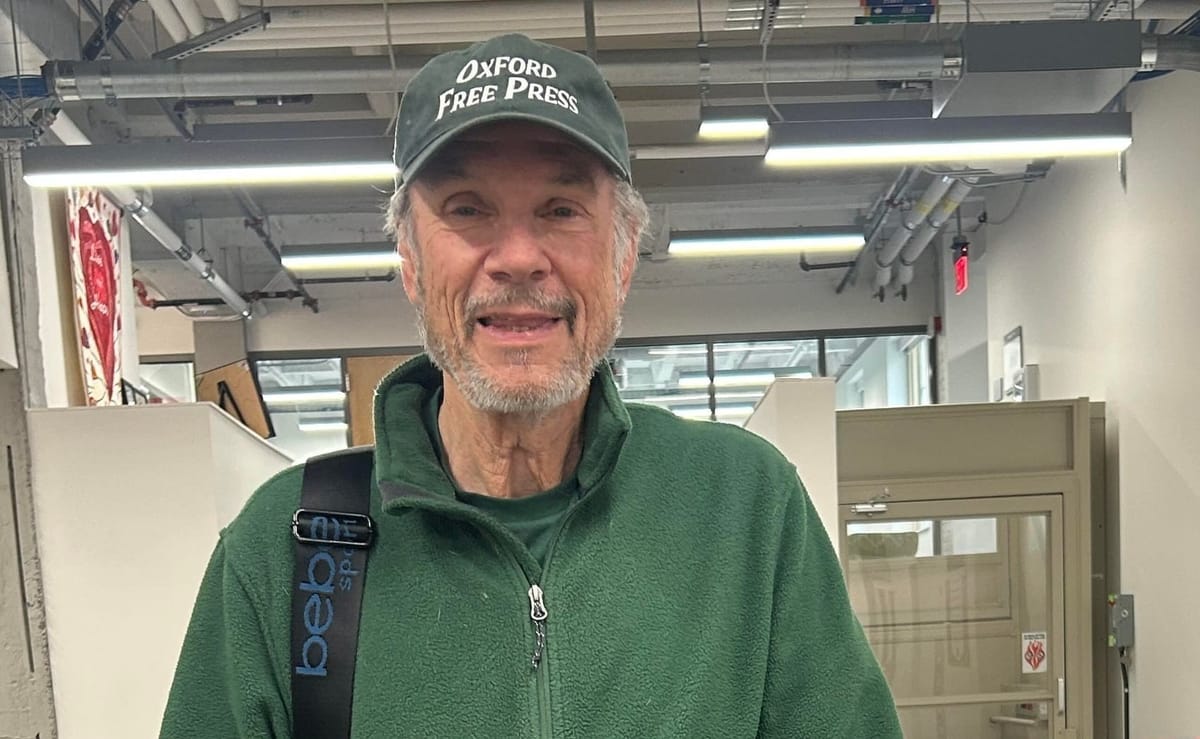
 TNC
TNC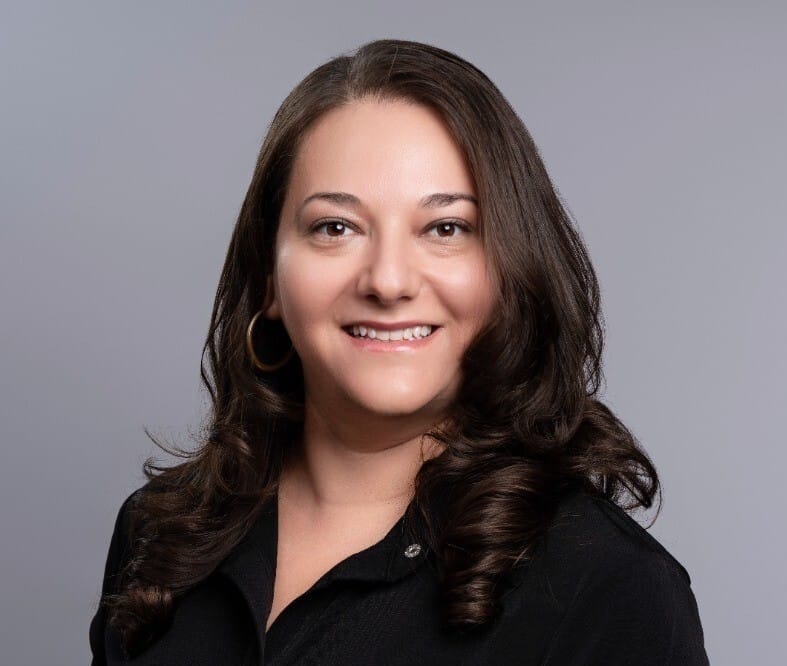
 TNC
TNC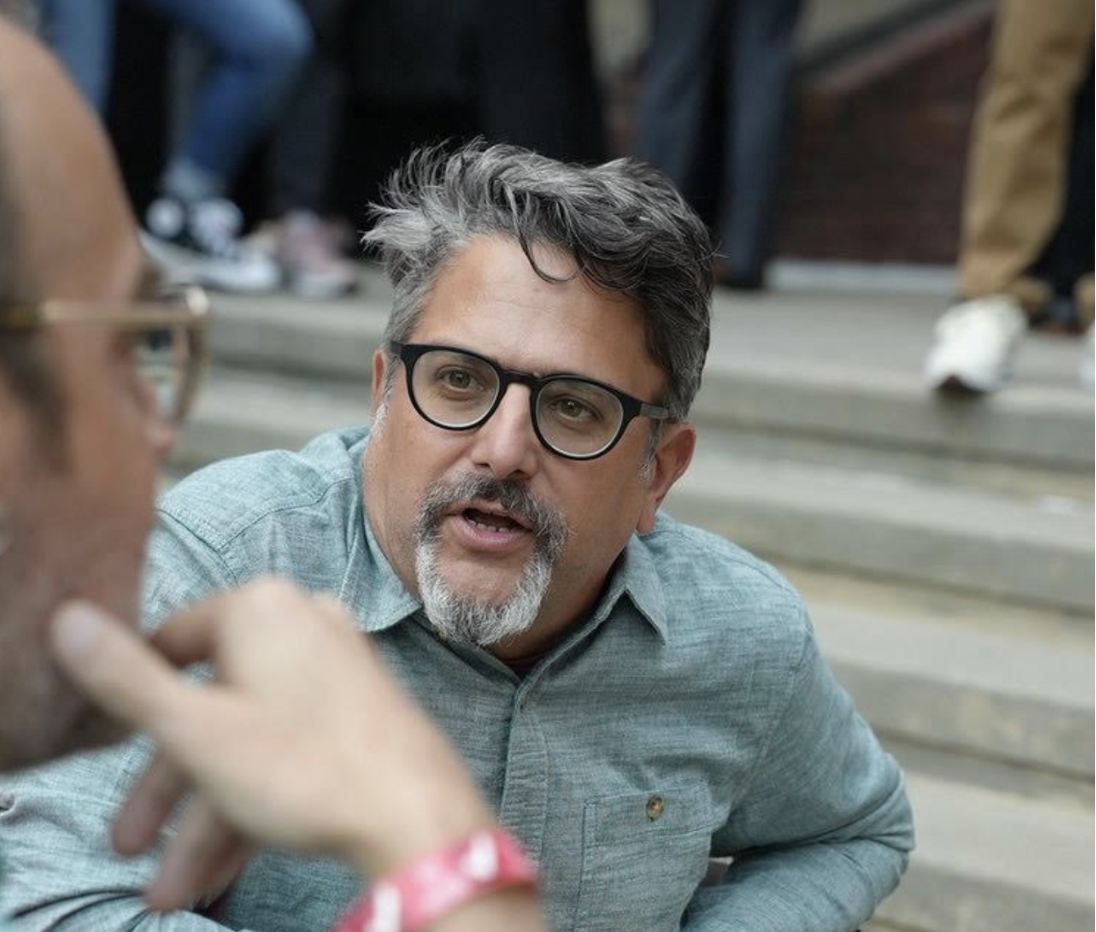
 TNC
TNC
 TNC
TNC
 TNC
TNC
 TNC
TNC
 TNC
TNC TNC
TNC
 TNC
TNC
Sign up for our monthly newsletter for ongoing updates, announcements, and resources for newsroom entrepreneurs.