
By Mark Glaser
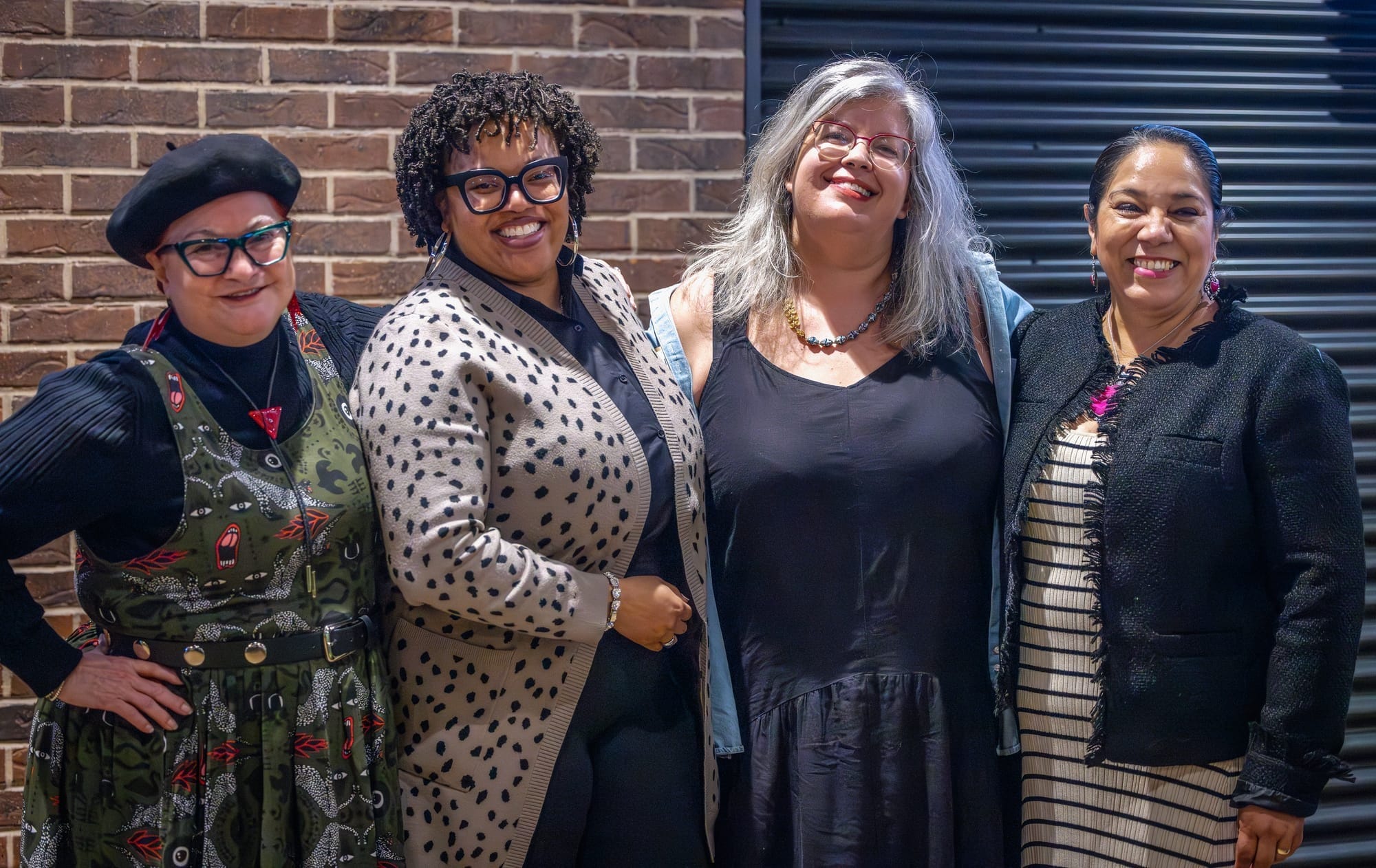
Fundraising events are becoming an important way for local newsrooms to bring together the community, discuss important issues and raise money for their work. But what if a group of newsrooms collaborated on a fundraising event to help amplify each other’s work and lift all their boats? That was the thinking behind “Small is Beautiful,” a collaborative fundraiser in Wichita by three Tiny News members: The SHOUT, TMBP Media and Planeta Venus.
Latasha Eley Kelly of TMBP Media had already worked with a venue, Chicken N Pickle, that offered to host the event. But as the time for the event grew closer, Latasha and Claudia Amaro of Planeta Venus were worried that they hadn’t had enough lead time to make it a success. Emily Christensen and Teri Mott of The SHOUT were used to doing things on the fly, and they convinced the group to move forward with the November 5 event. The result? They hit their goal of $6,000 raised, with $2,000 per newsroom, along with covering their costs — thanks to the headline sponsor, Knight Foundation. The evening included performances by local artists, a DJ and a silent auction.
“The event was a great reminder of the power of collaboration and how bringing the community together helps broaden the message,” said Micaela Ramirez, director of strategic investments at Wichita Foundation, which had funded the news outlets through its Info Challenge. “Being there with my 17-year-old daughter gave her the opportunity to see culture and news come together and understand the impact of that connection.”
Here are some of their tips on how other newsrooms might band together to produce a successful fundraiser.
1. Plan with sufficient lead time and clear roles.
The event was a big success and had about 100 attendees throughout the evening, but the publishers said they would have preferred to have about 6 months of lead time so they could get the marketing, logistics and fundraising down ahead of time. Plus, clear communication about capacity, responsibilities and expectations would help make sure that the workload is shared effectively among partners. When Claudia and Latasha were feeling overwhelmed by other work responsibilities, Emily and Teri stepped in to help.
“We were all super busy, and I shared that with Emily initially,” Latasha said. “But Emily and Teri really took up the helm of doing a lot of the stuff that we literally could not do.” She stressed that having a longer runway for planning will help make future events successful.
2. Build strong partnerships and leverage existing networks.

Fundraising events work best when you can get partner organizations to donate items for a silent auction, host the event, offer up food and drinks and more. These in-kind donations can make a huge dent in the cost of events, which add up quickly. The Small is Beautiful event raised enough in donations to cover the cost of the MC, performers, a caricature artist, DJ, photographer, photo booth and beverages (they gave free drink tickets to the first 50 attendees). But the Knight sponsorship helped them reach their funding goal.
Most importantly, the newsrooms were able to leverage their existing email lists, social media followings and networks to promote the event. And at the event, their audiences came together in a way that cross-promoted each other’s newsrooms and work, leading to lifts for each publisher’s email list. “We created this cohort ourselves by reaching out to one another and forming relationships,” Emily said. “We’ve taken this opportunity to support one another in a way that’s been really amazing.”
3. Create a compelling, diverse experience for the event.
This is where having an arts and culture publication like The SHOUT really helped — not to mention a podcast producer, TMBP Media, reaching a Black audience and Planeta Venus reaching Latinos. This multicultural mix helped move the event beyond just talking heads from the publications to live performances including music, dance, theater and audience participation. Highlighting local talent meant that they had an engaged audience with connections to performers.
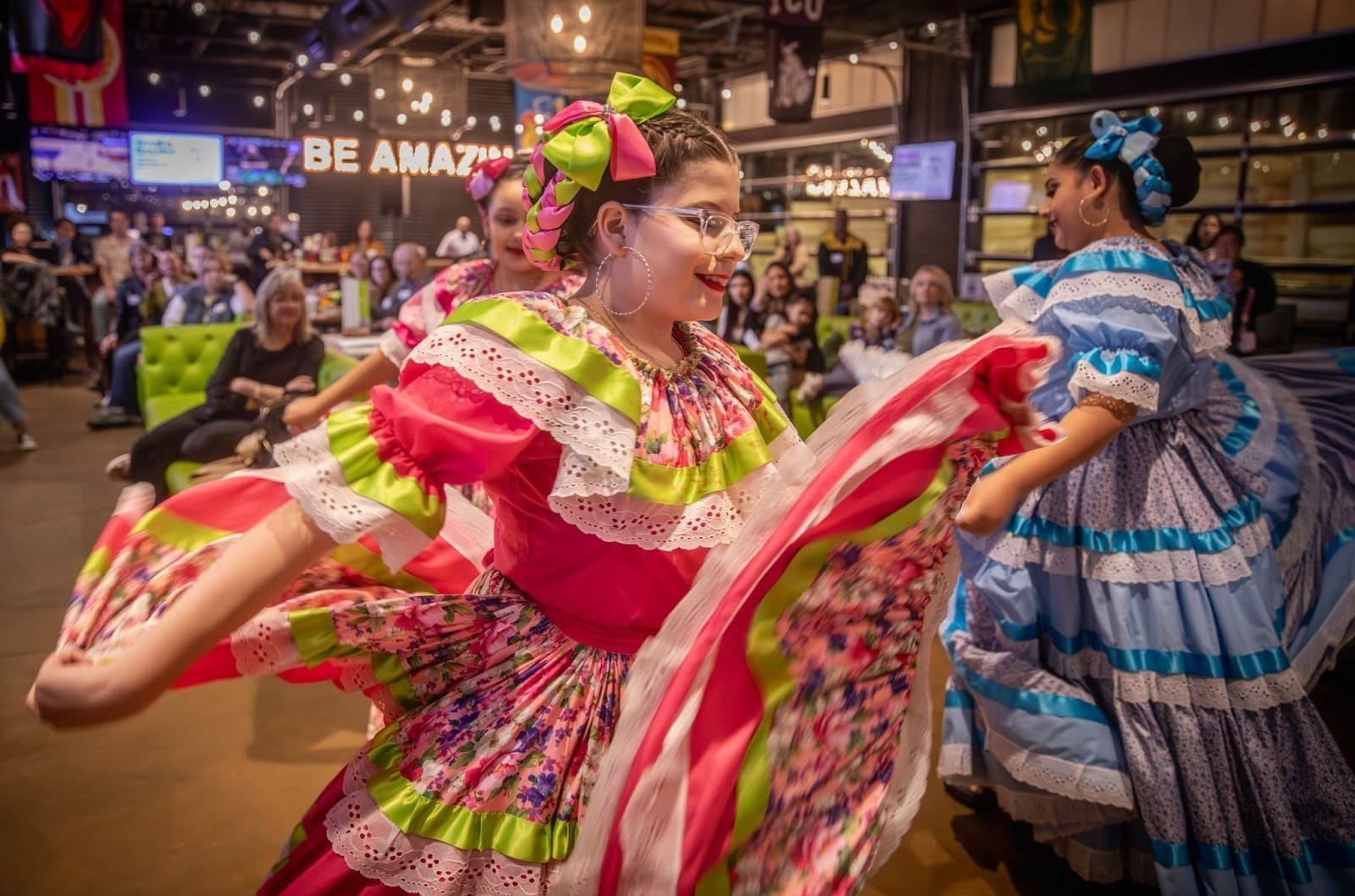
“The feedback I received from attendees was that they were excited about the diversity at the event,” Claudia said. “They said things like, ‘It’s amazing to attend truly inclusive events.’ We have to purposely plan inclusivity as part of the event from Day 1. It was super easy to work with Latasha, Emily and Teri — I don’t find open minds like theirs very often.”
4. Think beyond fundraising to include a broader engagement strategy.
Yes, the point of a fundraiser is to bring in money, but for newsrooms these events also are a way to market themselves, build email lists, tell their stories and bring people together as conveners. The cross-marketing opportunity was obvious as each newsroom had their own table to sign up interested people. “A lot of people did come to my table for TMBP Media to express that they didn’t know about us,” Latasha said, “but they were very interested to learn more.”
 TNC
TNC
Collective marketing for the event meant that audiences came together and mingled, often learning about new publications. Plus, the organizers considered different ways for people to give through sponsorships, the silent auction or direct donations. “I’d almost bill it less as a fundraiser and more as a festival,” Emily said. “Then just lean on the sponsorship opportunities to ideally make a little money. This kind of gathering is something that people are really interested in.”
The success of Small is Beautiful shows what can happen when newsrooms treat fundraising not just as a financial necessity but as a community-building opportunity. By combining their strengths, sharing their audiences and embracing the rich cultural fabric of Wichita, the three publishers demonstrated that collaborative events can amplify impact far beyond what any one newsroom could do alone. Their experience offers a clear roadmap for others: plan early, lean on partnerships, cultivate inclusivity and think of events as an extension of your mission to convene and inform the community.
Mark Glaser is a communications consultant for Press Forward, Knight Foundation, Tiny News Collective and The Lenfest Institute, and was the founder and executive editor of MediaShift.org. He was formerly the director of business and program development for the New Mexico Local News Fund. He runs the Wind Power Media consultancy out of Santa Fe.
Sign up for our monthly newsletter for ongoing updates, announcements, and resources for newsroom entrepreneurs.