
Tiny News Collective exists to support early-stage news entrepreneurs all across the United States who are raising their hands to provide community-focused news and information and places for community connection. We are who we are because of the founders we serve. And we want the journalism field, the civic information space and beyond to know about the creative, impactful work of these founders. To that end, we are thrilled to highlight their stories through an ongoing series of profiles and features.
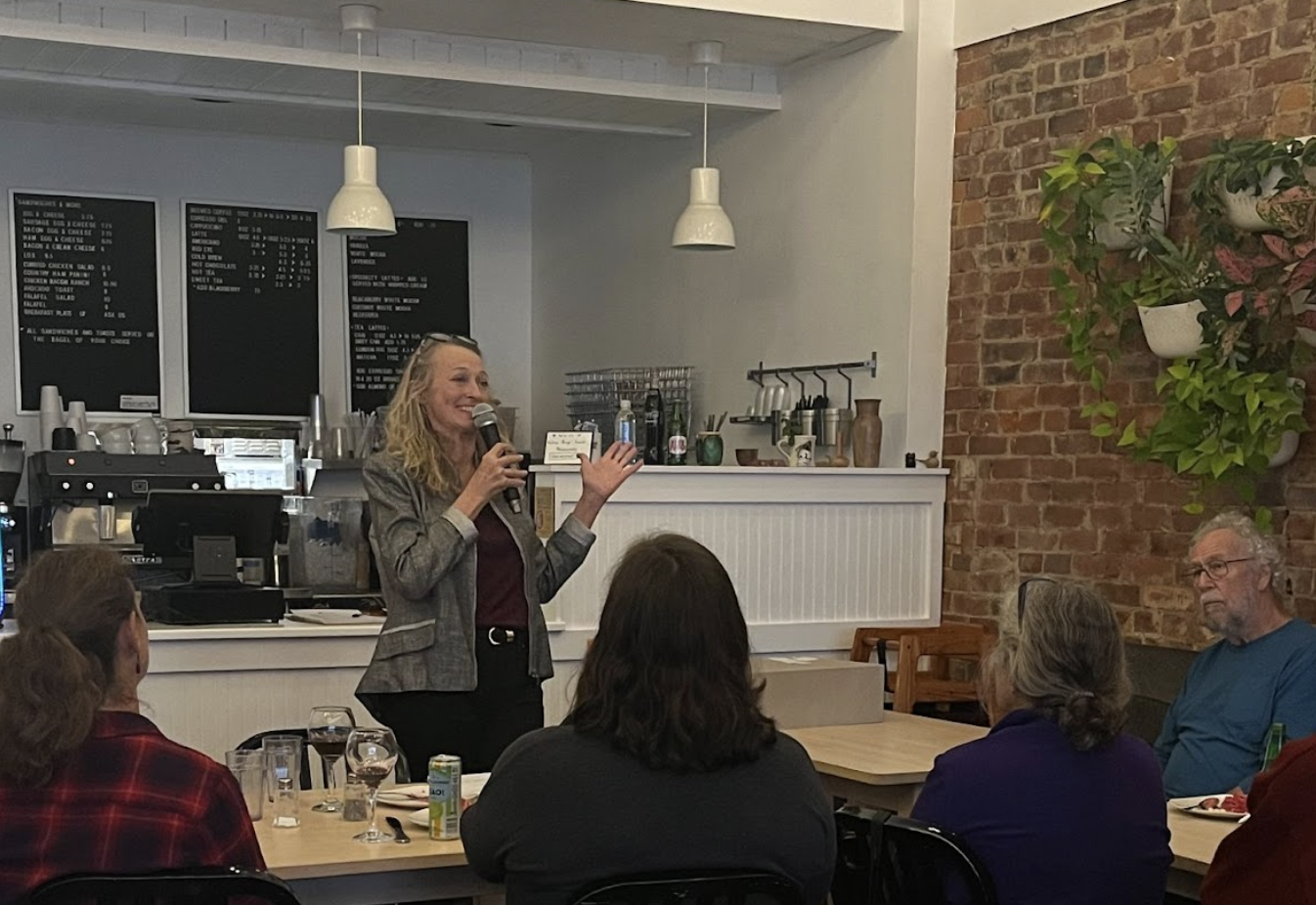
For our latest feature, we caught up with Whitney McKnight (pictured above), founder and editor of The Edge, a hyperlocal online news outlet based in Berea, Kentucky, that covers most of Madison County. Since founding The Edge in 2024, Whitney has covered land use issues and threats to agriculture that are of community concern. The Edge has garnered deep-rooted community support, engaging and activating county residents to learn more and share their input with local leaders.
After leaving Washington, D.C., where I had covered health policy and economics for a decade, I returned to my native Kentucky, thinking it was time to do something new.
The initial spark to create The Edge came from my experience as a community member in Berea when I couldn't find any news about an important development in the community. Namely, why was our local rural power co-operative about to build nearly 9 miles of transmission line through the viewshed of a 9,000-acre forest with no community input?
I originally approached the legacy paper in town to cover this story for their paper. The publisher there told me I didn’t know what news was, which insulted me and my years of experience as a journalist.
So, I did what I know how to do and started to report on it. Ultimately, I felt that to offer more comprehensive coverage, I'd have to start my own news outlet. But I didn't do it immediately. Starting my own outlet felt like a big responsibility. Every time I would try to talk myself out of it, I remembered the passion and motivation I experienced when my news judgment was questioned. That spurred me on and led me to follow my instinct about what our community needs.
At first, I didn't have a business plan. But I did attend a workshop on grant writing. I did the grant writing seminar and then started publishing during an election of the council members. Almost overnight, I had hundreds of subscribers.
 Whitney McKnight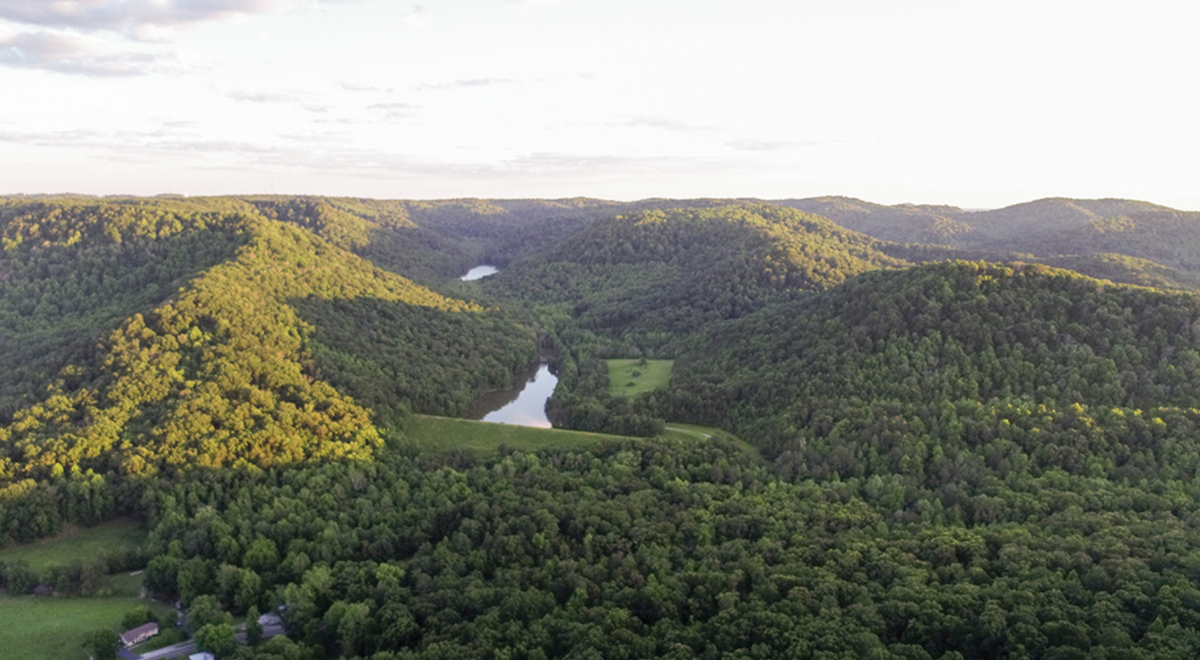
I did think long and hard about the name of my outlet: I am reporting from “The Edge of Appalachia” — where sandstone rock formations make up the foothills of the Cumberland Mountains, at the edge of the Appalachian Mountains. The name grounds me in this place and the communities I’m serving.
That's The Edge’s origin story: I saw a gap in reliable, independent news not just about one land use issue, but about all important local issues, and I aimed to fill it.
Someone on Facebook wrote, “Whitney gave us The Edge, and we didn't even know how badly we needed it till she did.” And it's just been insane since.
I recently published a story about how data centers are popping up all over our rural state, and revealed that without a prior ordinance in place, municipalities, and our county in particular, would possibly be at the mercy of the developers.
After that story ran, about 100 people sent emails to our county officials asking them to address this issue, and they did. That floored me.
Then, one of the county magistrates asked to be a guest on my podcast, “On the Edge.” He came on the show, and we discussed what he thought the public should know about data centers and that he had made an effort to learn himself. (The episode will air in the next couple of weeks.) A land preservation organization then asked me to be a public speaker at its spring event. That piece seemed to really capture the community's attention.
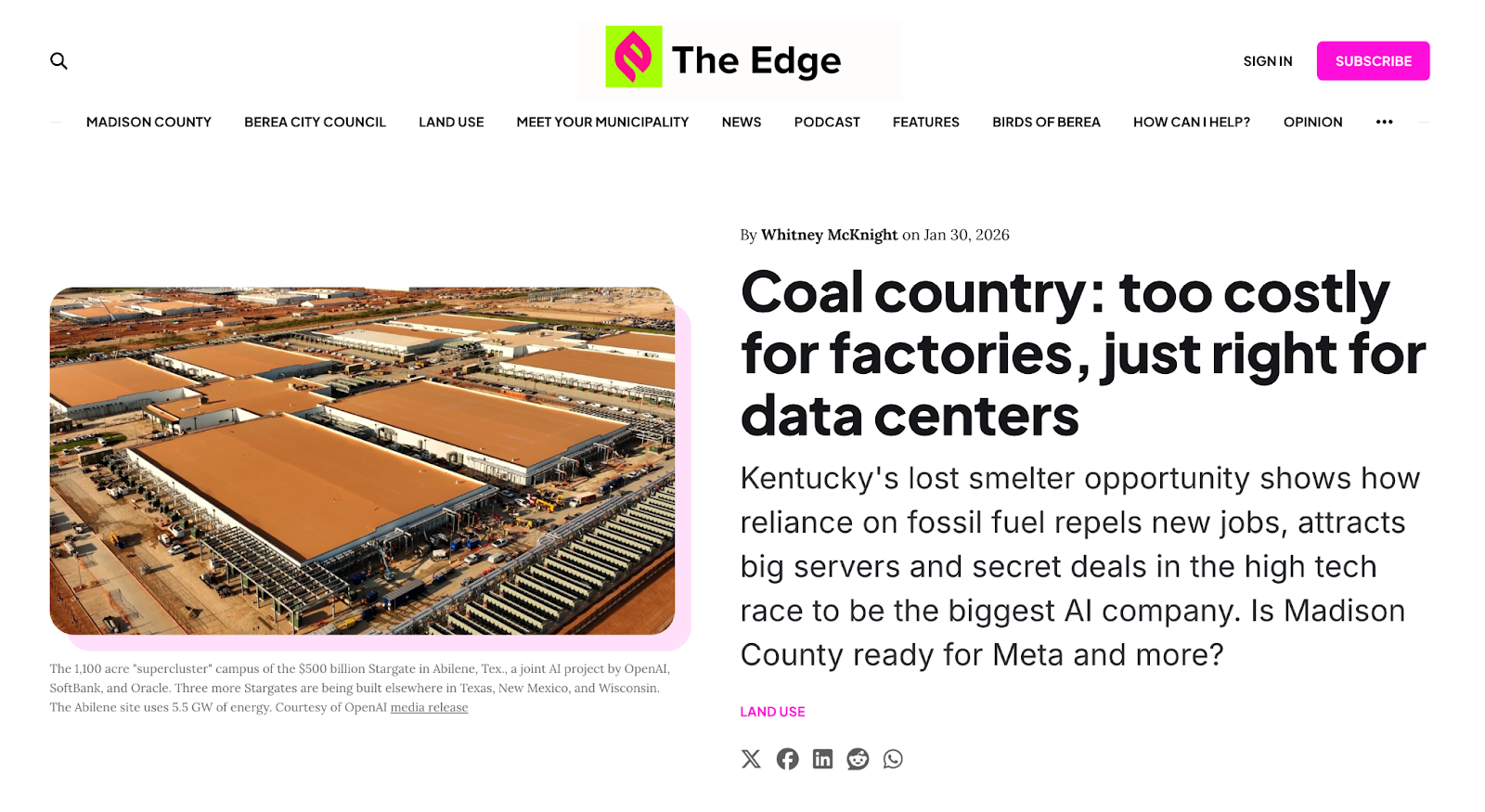
I have learned that this region has been at the mercy of extraction companies for generations. People here are tired of being told what these companies will do with the land, even if it is not their property.
There is a lot of secrecy around the development of data centers, and that is just wrong. It's cynical to think that people will just have to live with whatever your deal will deliver to them, without their input, and in secret. It's not democratic, and it's arrogant. I am not swayed by the argument that secrecy is required to protect the developer's competitive edge.
There is a strong public sentiment that land is misused and disrespected because it is being developed for profit so fast. People have appreciated my reporting on these issues, as the only reporter breaking and sustaining coverage about land use. They tell me they have felt angry at not being heard by our county and local leadership, all of whom are either developers or have close ties to them.
I always think, what do people want to know? What are the questions they want answered? I don't want them to walk away from any story going, “Yeah, but what else?” I really try hard to make sure that everything that a person would want to know is complete, and I have found that is necessary. My community really expects that.
My community cares and wants information so they can act. That's part of my tagline, “empowering you to be a good citizen.”
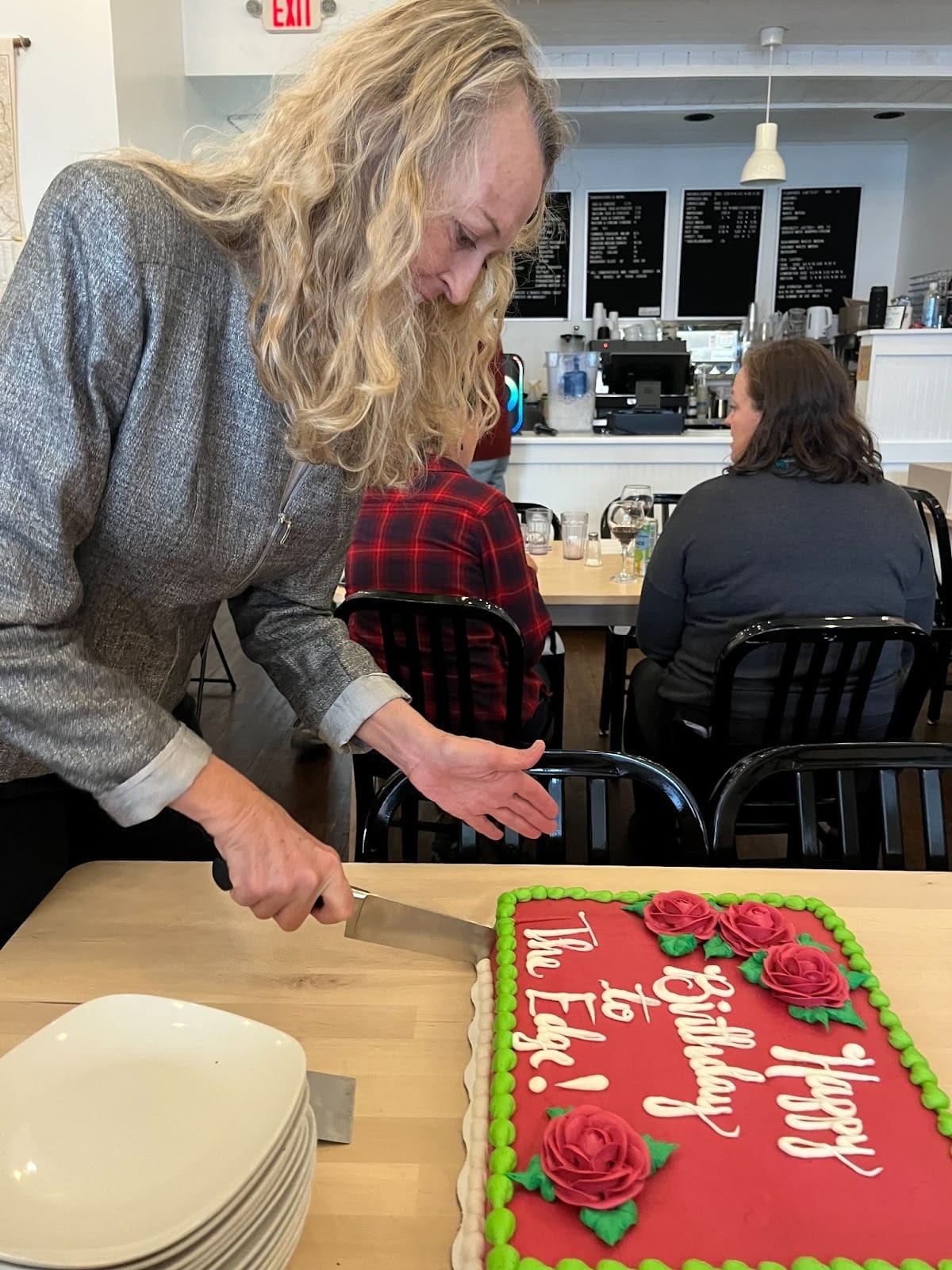
The Edge is a for-profit outlet that uses the fiscal sponsorship benefit offered through Tiny News Collective to access grants and tax-deductible donations. So far, I’ve received funding from both national and local funders: The Listening Post Collective (a partner of TNC), the Foundation for Appalachian Kentucky, Tiny News Collective and local patrons Richard and Cheyenne Olson, and Sune Frederiksen.
I also have a tiered member-subscriber format.
I've just started selling ads because people actually asked me to do that. People realized I was reaching the people they wanted to reach. So they've come to me, and I've got ads that are starting to grow. The Edge has been getting a lot of attention. One month when I broke a story about our community pool closing for summer renovations, we had as many as 22,000 readers. During a typical month, readership is closer to 11,000 on average so far. The population of our county is about 100,000.
I have really felt that this is an investment in my own capacity to do this and in the community.
If my dreams were to come true, you would see me reporting on the entire county by being able to include Richmond City in my coverage area. Currently, that is what is missing in our reach. I would also host more forums and live events that have a learning component to them, where people can see what goes into reporting, how it is very different from “news” on social media, that there is a craft to journalism, just as there is to anything that holds the public trust. I would also have a person at the state capitol in Frankfort, so we could have important first-hand legislative coverage. And I would do more long-form narrative reporting. That takes a lot of time, and I currently don’t write anything over 1,500 words for the most part.
A real thrill for me would be to partner with a local radio station to air my podcasts, and I would start a lifestyle magazine, something I have done in my long and varied media career. That would be where all the feature reporting would go. Features are popular with my audience, but right now I am mostly focused on the local government and land use coverage.
Since launching, I’ve been doing everything myself, from reporting to managing and operating the business of The Edge. This year, I aim to find funding for a second reporter to help expand coverage. I will assign them the Richmond beat. It's unusual to have two cities in one county, but we do, and there is a lot happening land-use-wise.
 TNC
TNC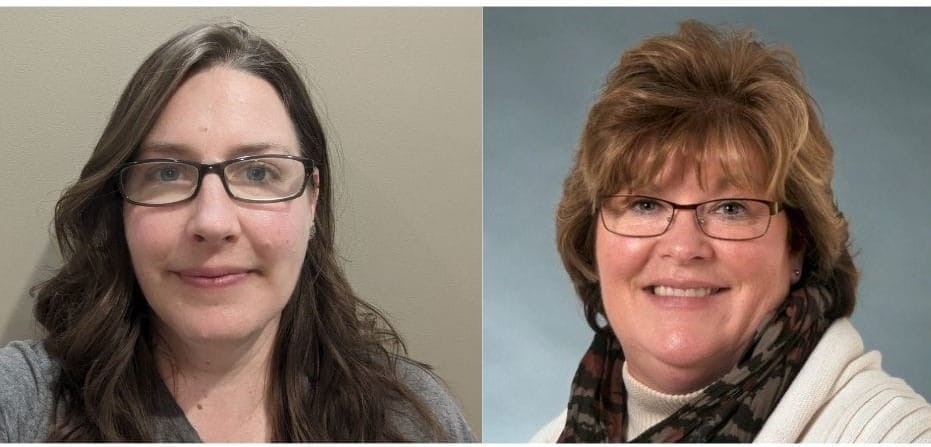
 TNC
TNC
 TNC
TNC
 TNC
TNC
 TNC
TNC
Sign up for our monthly newsletter for ongoing updates, announcements, and resources for newsroom entrepreneurs.